Food on Gran Canaria is simple, local and shaped by the island’s history as a stopover between Europe, Africa and the Americas. Menus lean on fresh fish, potatoes, cheese, pork, goat and a few signature sauces, and you will find them in harbour restaurants, mountain village bars and Sunday markets. You do not need a long list of famous restaurants to eat well here. You need to know the dishes, and to choose places where locals sit. This guide covers what to order and how to fit tasting into a day of sightseeing.
Papas arrugadas and mojo
The dish you will see on nearly every table is papas arrugadas, small potatoes boiled in very salty water until the skins wrinkle, served with mojo sauce. Mojo comes in two main kinds: a red one, mojo rojo, made with peppers, garlic and spices, and a green one, mojo verde, made with herbs such as coriander. They are served as a starter or alongside fish and meat, and they are good value. The sauces vary from kitchen to kitchen, so try both and ask which is house made.
Fish and seafood
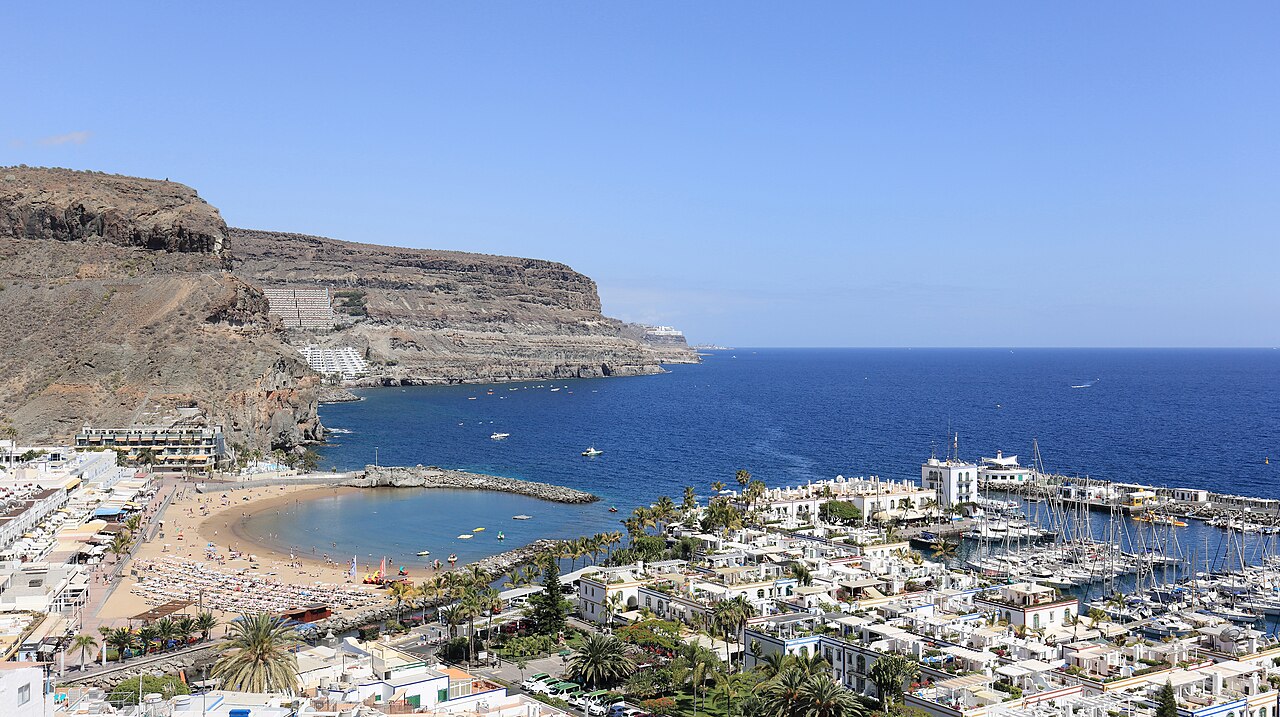
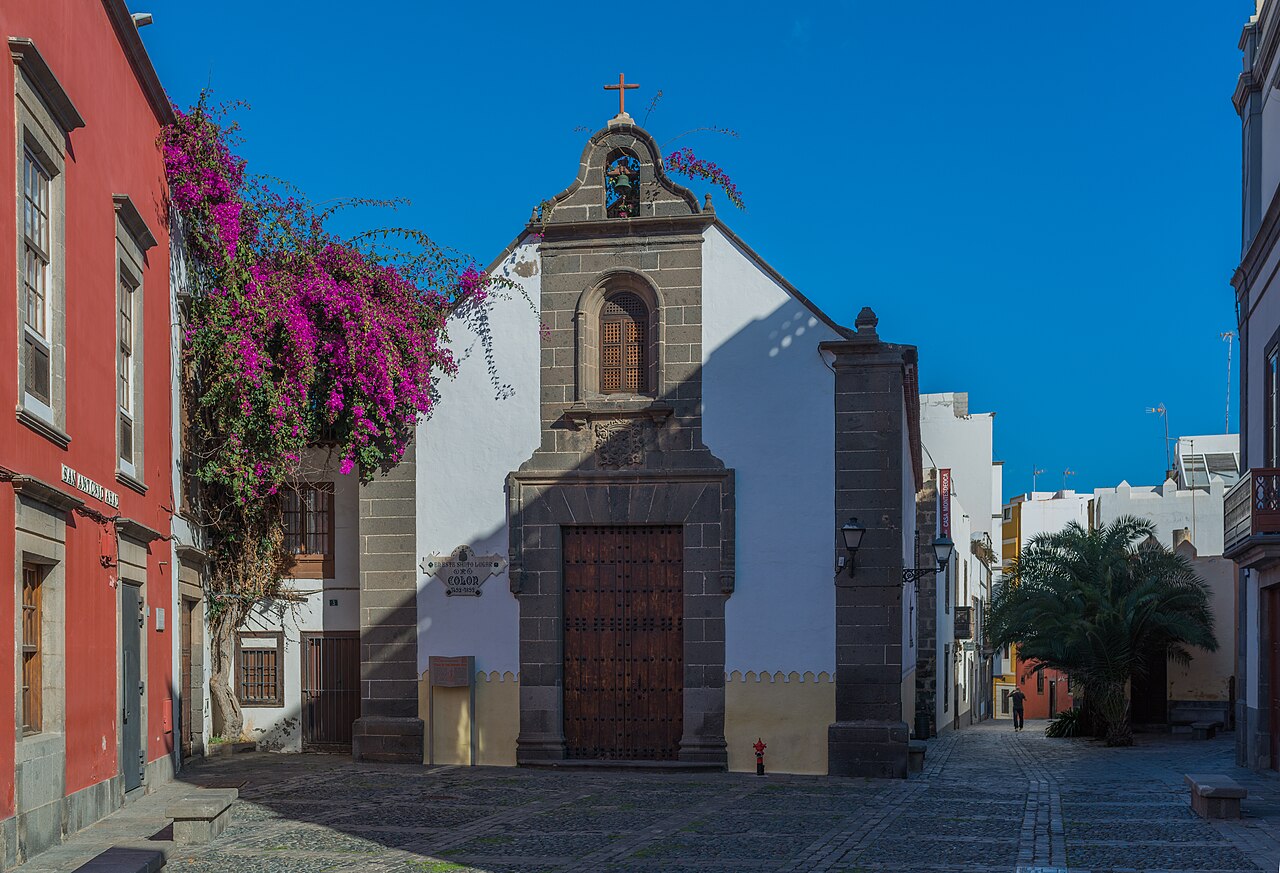
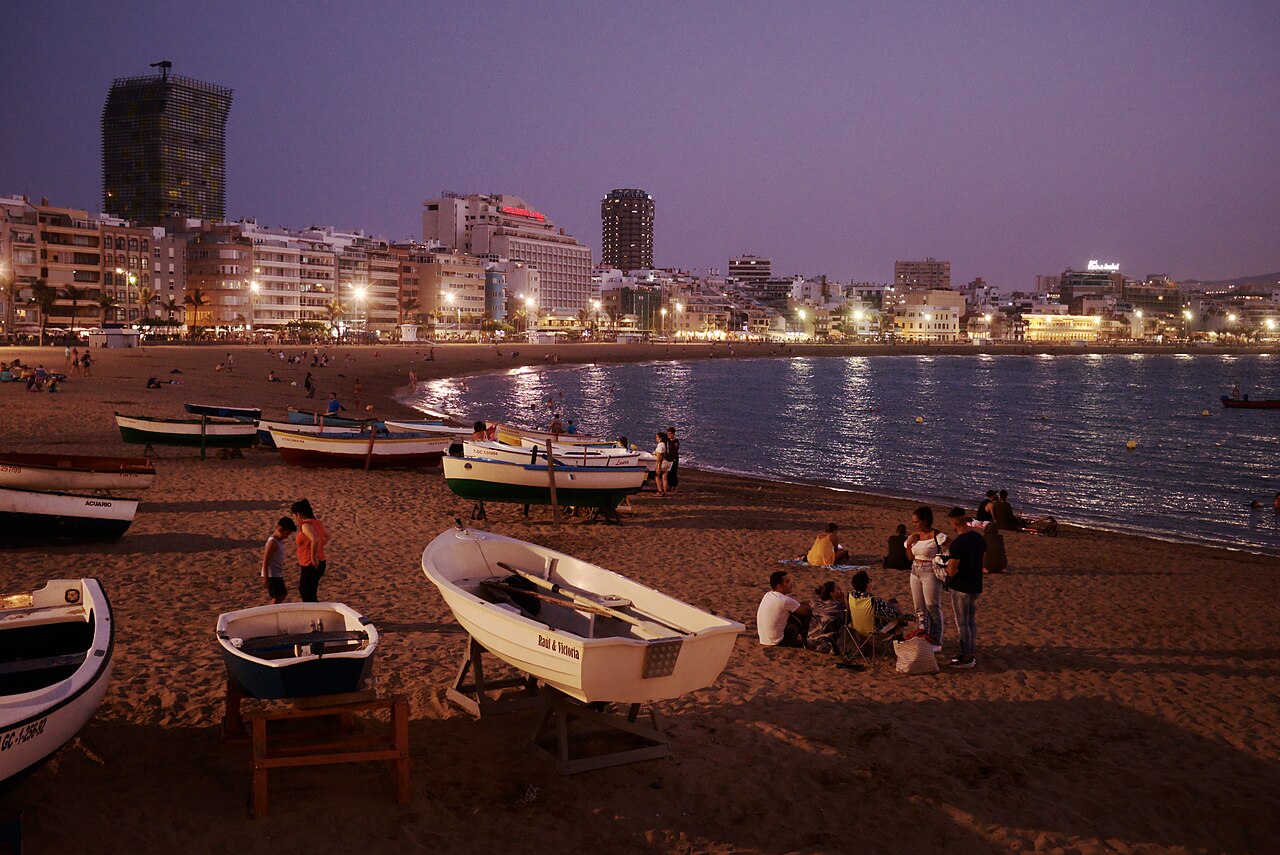
On the coast, the usual order is the catch of the day, grilled or baked, with potatoes and salad. Puerto de Mogan, with its harbour and its flower-draped lanes, is a pleasant place for a long fish lunch, and Las Canteras in Las Palmas has beach cafes along the promenade. Ask what is fresh and let the waiter recommend. Prices on a promenade are usually higher than in a side street, so a short walk inland can save money.
Cheese, gofio and mountain cooking
Canarian cheese is a point of pride. Goat and mixed-milk cheeses appear as starters, sometimes grilled and served with a sweet or spicy sauce, and the interior villages are the place to try them. Gofio, a flour made from toasted grain, is an old island staple that appears in soups, desserts and a thick paste eaten with meals, and it is worth tasting at least once. Hearty stews such as sancocho, rabbit in spiced sauce and ropa vieja, a dish of shredded meat and chickpeas, are typical of village menus. After a morning at Roque Nublo, a lunch in a mountain village is the best reward, and the pace is slow.
Markets and the north
The Sunday market in Teror is a lively way to taste the island, with stalls selling cheese, bread, sweets and local produce around the basilica and the square. Combine it with a visit to the town and the nearby old town of Arucas. Teror is also known for its chorizo, a spreadable sausage eaten on bread, and the market is the place to try it. Go early, because the crowds build, and bring cash for small stalls.
Rum and sweets
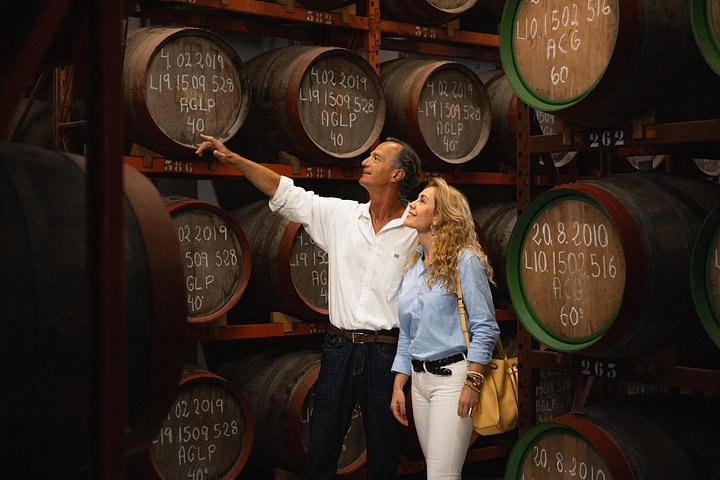
Arucas is the home of Arehucas, the island’s best-known rum distillery, and the visit includes a tasting for adults. The distillery opens on weekdays only and closes on holidays, so check the visit page before you travel. Children can enter free, but the tasting is not for them. Ron miel, a honey rum, is the local after-dinner drink, and bienmesabe, a sweet almond and honey dessert, is the classic pudding. Bring a bottle home if your luggage allows.
Coffee and drinks
A cortado or a barraquito, a layered coffee with condensed milk, liqueur and cinnamon, suits a break in Vegueta or on the Las Canteras promenade. Wine is grown on the island, and local bottles appear on menus alongside Spanish wines. Beer is cheap and everywhere, and a cold drink with a plate of papas arrugadas is a satisfying end to a beach afternoon.
Practical tips
Lunch is the main meal for many locals and typically runs later than in northern Europe, and dinner starts late in the evening, although resort restaurants keep early hours for visitors. Many places close on Sunday evening or one day a week, so check before you go. Tipping is modest and appreciated, and cards are widely accepted although small bars may prefer cash. If you have dietary needs, ask in advance, because traditional dishes rely heavily on potatoes, cheese and meat. Tasting your way across the island is easy, because the south, the capital, the mountains and the north each offer a different local dish within an hour of one another.