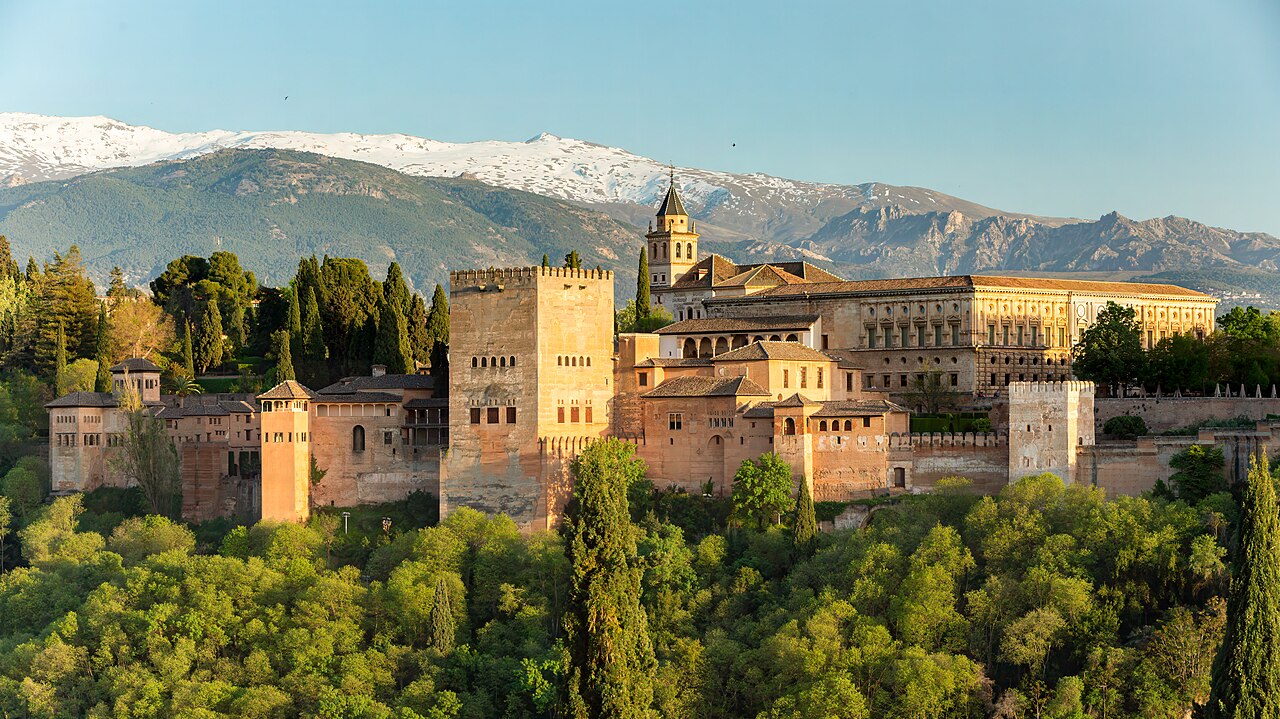
Granada is one of the last great tapas cities in Spain, and the food is as good a reason to visit as the Alhambra. The city is famous for a simple custom: in most bars, every drink you order arrives with a free plate of food. The more you order, the better the plates become, and a round or two of drinks in the right bar is a perfectly good dinner. Here is how to make the most of it.
How the free tapa works
Order a drink, such as a caña (a small draught beer), a glass of wine or a soft drink, and the bar brings a tapa. In the first round it is often small, such as olives, a slice of tortilla or a plate of cured ham. In the second and third it grows, with fried fish, meatballs, a mini burger or a small casserole. You do not usually choose the tapa in traditional bars, and it is considered part of the pleasure to see what arrives. In busier tourist spots the free tapa is less generous, and some bars now charge for them, so look for places full of locals. Tip modestly, rounding up.
Where to go
The classic tapas streets lie around the centre. Calle Navas, a short pedestrian street near the cathedral and Plaza Nueva, is crowded with bars and is the best place for a first night. The lanes around Calle Elvira are lively and a little more rough-edged. The Realejo, the old Jewish quarter south of the cathedral, and the area around Campo del Príncipe have a more local feel and are good for lunch on a sunny day. Higher up, Plaza Larga in the Albaicín is a local meeting point with small bars and a morning market, and the terraces around San Nicolás give views along with your drink, though prices rise accordingly. Along the Carrera del Darro and Paseo de los Tristes, you pay a premium for the setting beneath the Alhambra, which is worth it for one meal.
Dishes to try
Habas con jamón, broad beans with cured ham, is a classic. The ham from the village of Trevélez in the Alpujarras, cured at altitude, is among the best in Spain. The remojón granadino is a salad of orange, cod, olives and onion, and berenjenas con miel, fried aubergine drizzled with cane honey, is a favourite with visitors. The plato alpujarreño is a hearty plate of fried egg, potato, ham, sausage and pepper from the mountain villages. Tortilla del Sacromonte, a traditional omelette, has a long history in the caves. For a sweet finish, try piononos, small syrup-soaked sponge rolls from the nearby town of Santa Fe, and the pastries made by convents, which are sold in shops around the old centre. Churros with thick hot chocolate are a morning tradition.
Tea houses and Moorish flavours
The lane of Calle Calderería Nueva, near the foot of the Albaicín, is lined with teterías, tea houses with cushions and lanterns that serve mint tea and Moroccan-style pastries. It is a lovely place for an afternoon pause, and the atmosphere echoes the Moorish heritage of the quarter. Spices, dates and almonds are part of Granada's cooking too, a legacy of eight centuries of Al-Andalus, and you will taste it in dishes with cinnamon, saffron and honey.
What to drink
The local beer, Alhambra, is brewed in the city and is the default in most bars. The wines of the Granada province are worth trying, particularly those from the high vineyards of the Contraviesa in the Alpujarras, which are grown at some of the highest altitudes in Europe. Sweet wines and vermouth are common as an aperitif, and many bars have a small list of local bottles.
Meal times
Lunch is the main meal and runs from about two to four, with dinner starting after nine. Tapas bars fill up around nine or ten in the evening, so go earlier for a seat. Restaurants often close in the afternoon, so check the hours. In summer, evening terraces stay open late. If you have an early Alhambra slot, plan breakfast near Plaza Nueva or at your hotel.
Putting it together
Combine food with sightseeing: have tapas after the Alhambra, an early dinner before a cave flamenco show, and a long lunch on the day you visit the cathedral. If you want a guide, a tapas walk with a local is a fun way to learn the city and avoid tourist traps. Reserve a terrace table with an Alhambra view for sunset, as the best spots fill up in advance.
Dietary needs
Traditional tapas rely on ham, seafood, eggs and wheat, so vegetarians need to ask specifically, and many bars will prepare something simple. Increasingly, restaurants offer vegetarian and gluten-free options, but it helps to know the Spanish words and to ask in advance.