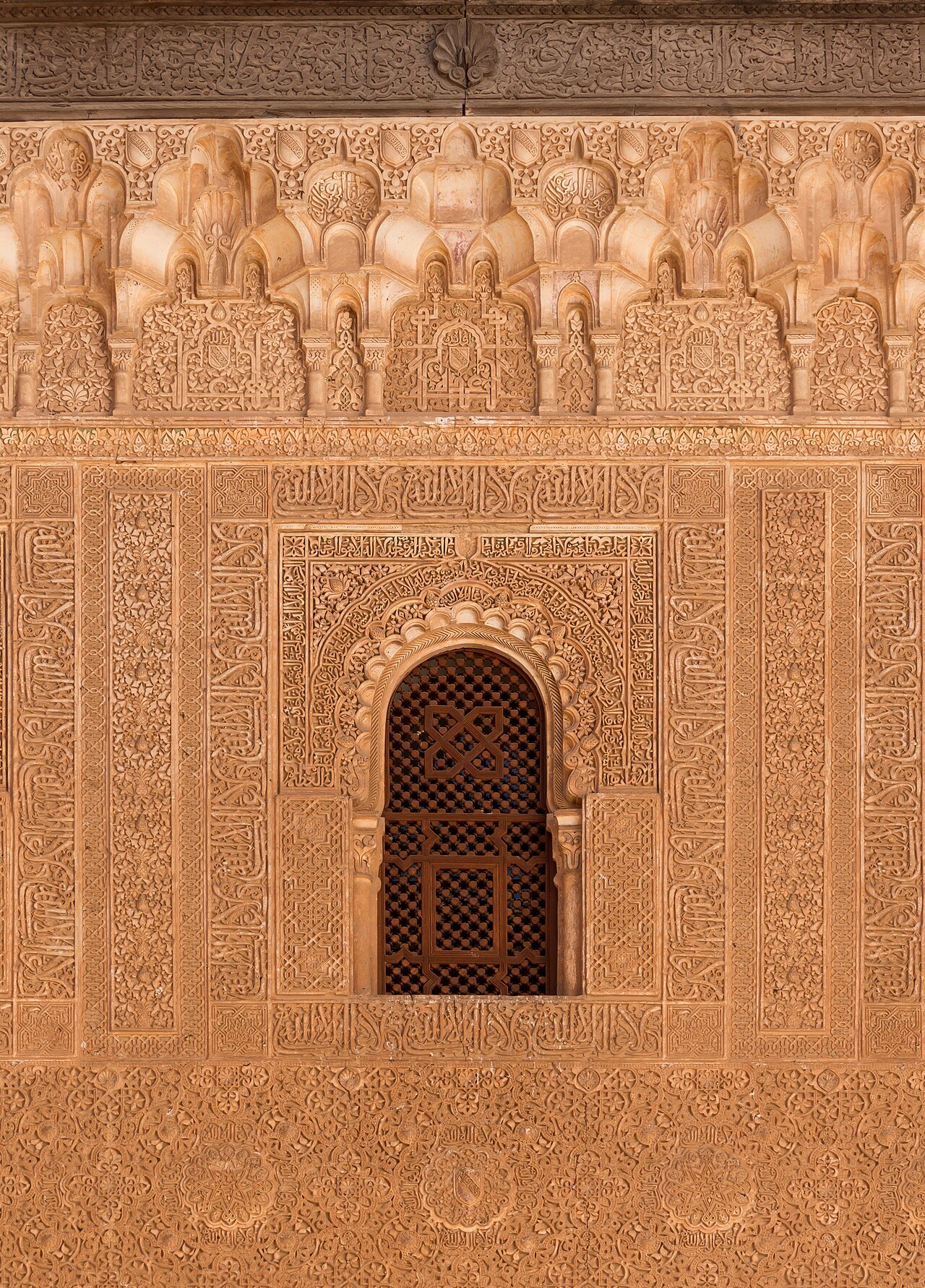
Three days is the ideal length for a first visit to Granada. It is long enough to see the Alhambra without rushing, to wander the old Moorish quarter and to enjoy an evening of flamenco, but short enough that you can keep a gentle pace in a city built on hills. This plan assumes you arrive the evening before and have your Alhambra ticket booked for a morning slot. Each day has a clear anchor, and each has a swap for bad weather.
Before you go
Book the Nasrid Palaces slot first, because everything else is easy to shuffle around it. Reserve your flamenco evening and, if you want it, the hammam, since both fill up on weekends. Pack comfortable shoes, because Granada's cobbles and hills are the real challenge, and bring a layer for evenings, as the city sits at about 700 metres and cools quickly after sunset, even in summer.
Day one: the Alhambra
Start early. Walk up from Plaza Nueva through the woods of the Cuesta de Gomérez, a beautiful approach that takes twenty to thirty minutes, or take a taxi or minibus if you are short on time. Enter the Nasrid Palaces at your slot, which is the heart of the visit, and plan about an hour inside. See the Alcazaba and the Generalife either side of your palace slot. A guided tour adds a great deal if you are unfamiliar with Islamic ornament, and the Generalife gardens are the perfect place to slow down afterwards. Walk down for a late lunch of tapas around Plaza Nueva, rest in the afternoon, and end the day at the Mirador de San Nicolás if you still have energy, or settle into a terrace on the Paseo de los Tristes for dinner under the walls.
Day two: the Albaicín and the Sacromonte
Begin with a guided walk through the Albaicín, the old Moorish quarter, where a good guide will explain the whitewashed lanes, hidden courtyards and the layered history of Muslim, Jewish and Christian Granada. If you prefer to explore alone, climb through the lanes to the Mirador de San Nicolás and the nearby Mirador de San Cristóbal, which gives a wider view. Lunch in Plaza Larga is a local tradition. In the afternoon, rest or visit the Corral del Carbón and the Alcaicería, the old silk market, which are free and easy. Return at sunset to San Nicolás, then walk along the hill to the Sacromonte for a cave flamenco show, finishing with a taxi back down.
Day three: slow Granada
Choose between three moods. For history, visit the cathedral and the Royal Chapel in the morning, then walk to the Monastery of San Jerónimo for its painted church and cloister, and add the Cartuja if you still have energy. For nature and families, spend the morning at the Parque de las Ciencias or take a half-day walk in Los Cahorros de Monachil. For rest, book an evening session at the Hammam Al Ándalus, wander the Carrera del Darro and spend a long lunch over tapas. Many visitors combine a morning of churches with an evening in the baths, and it is a very good combination.
Wet-weather swaps
Rain in Granada is usually short, but if it sets in, trade the Albaicín walk for the cathedral and Royal Chapel, the Parque de las Ciencias or the hammam. The Cartuja and San Jerónimo are largely indoors and make a good wet-day pair. The Alhambra itself is still worth visiting in light rain, when the crowds thin and the gardens are fragrant, but pack a waterproof layer, since the exposed paths between the palaces have little cover.
Hot-weather swaps
In summer, switch the order of your day to take advantage of the cool hours. Do the Alhambra in the first slot of the morning, rest and eat a long lunch indoors, and return to sightseeing after about six in the evening. Cave flamenco stays pleasantly cool, and the hammam is a lovely way to end a hot day. Carry water everywhere, and use the sunset at San Nicolás as your evening outing.
With a fourth day
Add a day trip: the Sierra Nevada for mountain air and snow in winter, the Alpujarras for white villages and mountain ham, or Córdoba for the Mezquita and a comparison with the Alhambra. Each of these is a long day, so plan it for a morning start and a relaxed evening.
Getting around
The centre is walkable, but the Albaicín, the Sacromonte and the Alhambra are hilly, so use the small minibuses from Plaza Nueva and taxis to save your legs. Avoid driving in the old town, where restricted access zones and automatic fines catch many visitors. If you are staying on the Alhambra hill, ask about parking and access in advance.
Eating along the way
Granada's tradition of a free tapa with each drink means you can eat well and cheaply, and a tapas crawl makes a fine alternative to a sit-down dinner on any of the three nights. Plan one proper dinner, ideally on a terrace with a view of the Alhambra, and let the other evenings be informal.