Flamenco is not a museum piece in Granada. It grew up among the Gypsy families of the Sacromonte hill, and it still lives in the caves, the bars and the family gatherings of the district. For a visitor the choice is wide, from intimate whitewashed caves to stage-lit tablaos in the centre, from a short show with a drink to a long evening with dinner. This guide explains the differences so you can pick the show that suits you.
What flamenco is
Flamenco has three parts that work together: cante, the song; toque, the guitar; and baile, the dance. A fourth element, the palmas or hand-clapping, keeps the rhythm. The art is made up of palos, styles with their own moods and rhythms, from the deep and serious soleá to the lively alegrías and bulerías. You do not need to know the palos to enjoy a show, but it helps to know that the slow numbers are not boring and the fast ones are not just for show. Everything is about emotion and the exchange between performers.
Caves of the Sacromonte
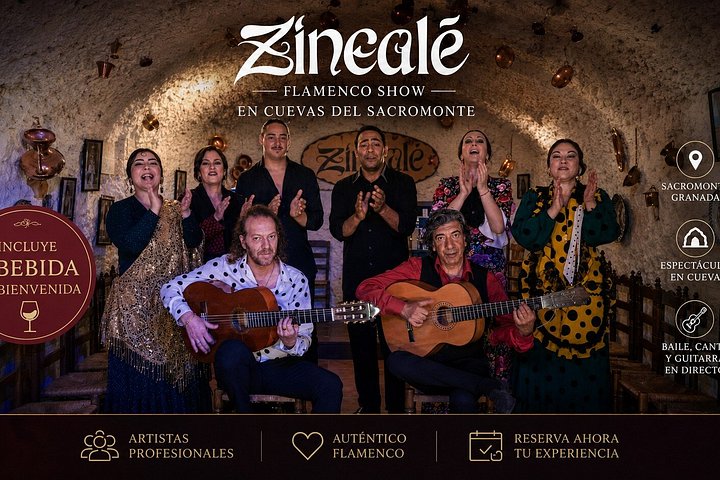
The caves are the classic Granada setting. The rooms are long, whitewashed and low, with copper pots on the walls and a small stage at one end. The audience sits a few feet from the performers, so you hear the breath of the singer and feel the floor vibrate as the dancer's heels strike. The experience is intense and informal. Cave shows are usually small, from a few dozen seats, and they tend to sell out at weekends. Some include a welcome drink, and some offer dinner. In summer the cave stays cool, while in winter a light layer is useful.
Tablaos in the centre
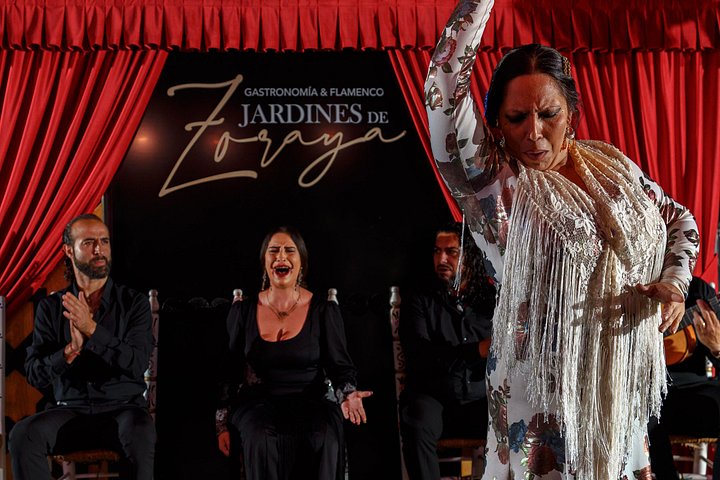
A tablao is a purpose-built venue for flamenco, with a proper stage, rows of seats and a floor designed for the sound of dancing. Tablaos such as Jardines de Zoraya and Casa Ana offer an easier journey than the hill, comfortable seating and a polished programme, with a clearer view for those at the back. They are a good choice for visitors who dislike climbing steep roads at night, for older travellers and for anyone who wants a formal theatre feel. The mood can be as good as in a cave when the performers connect with the audience.
Which should you choose?
If you have time for one show, choose the cave if you want atmosphere and are happy with a taxi up the hill, and a tablao if you want comfort and convenience. If you have time for two, do one of each, and compare. Read your confirmation closely: the venue, the start time and what is included change from show to show. Look for details such as the number of performers, the length of the show and whether there is more than one session.
Booking and timing
Shows run in the evening, often with an early and a late session. Weekends, holidays, and the spring and autumn peaks are the busiest times, so book a few days ahead if you can. Arrive fifteen to twenty minutes early to collect your ticket and choose a seat, as seating is usually unreserved within the ticket category. A show lasts about an hour, though some venues run longer programmes.
Getting to the Sacromonte
The caves lie on the road above the Albaicín, the Camino del Sacromonte. The road is steep, and the walk from Plaza Nueva takes thirty to forty minutes uphill. Many visitors take a taxi up and arrange one back, as the road is quiet at night. The Albaicín minibus reaches the lower part of the hill during the day, but timetables vary, so check before relying on it. Wear shoes with grip and carry a small light.
Etiquette
Keep conversation low during the songs and the dances. Applause belongs at the end of a piece or after a particularly strong phrase, and encouragement shouts such as ole are welcome from those who know when to use them. Follow the staff's instructions on photography and filming, since many venues ask guests not to film, and avoid flash. Dress is casual, although many people dress up a little.
Making an evening of it
Begin with sunset at the Mirador de San Nicolás, take an early tapas dinner in the Albaicín, then walk or ride to the show. Finish with a quiet stroll or a taxi back to your hotel. If you want a deeper understanding of the art, join a daytime Albaicín and Sacromonte walking tour, which explains the Gypsy history of the hill, or take a flamenco class for beginners if one is on offer. Whatever you choose, the memory of a night of flamenco in Granada tends to be among the strongest of a trip.