Grenada has a tropical climate with warm temperatures all year, so there is no bad month for the beach. What changes is rainfall, crowds, sea conditions and prices. Understanding the pattern helps you choose the season that suits your plans, whether that means long dry days at Grand Anse, quiet green weeks in the rainforest or a stay timed for turtles and festivals.
The dry season, roughly January to May
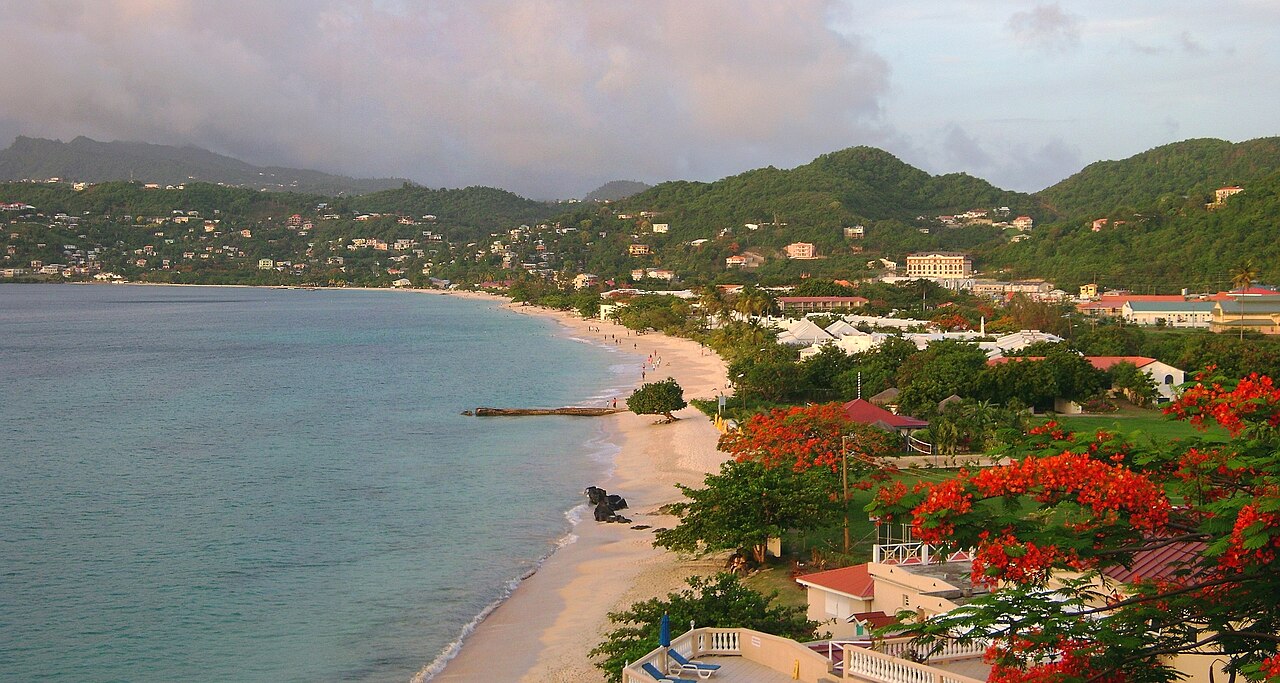
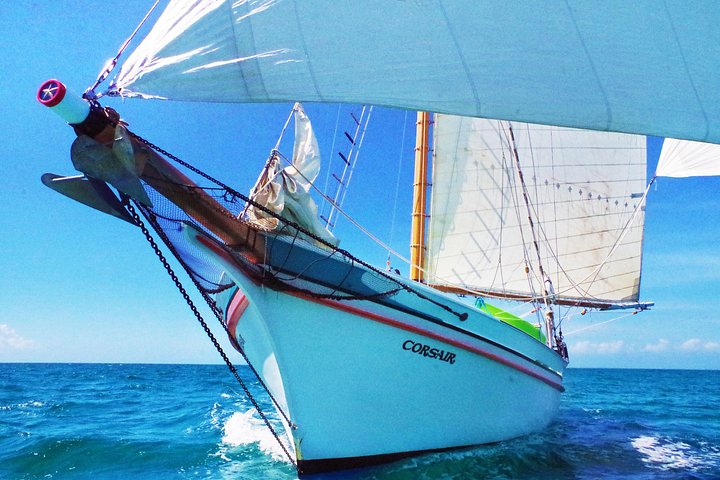
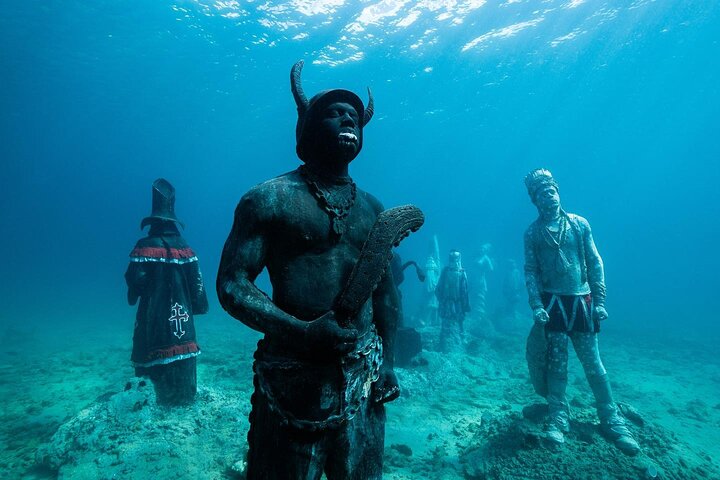
This is the most popular time to visit and the easiest for sightseeing. Showers are shorter and less frequent, the trade winds keep the heat comfortable and the sea is generally calm, which is ideal for the sculpture park snorkel trip, the clear kayak tour and the sunset sail. Rivers and waterfalls are lower than in the wet months, but they still flow, and hikes such as Seven Sisters are drier underfoot. Expect more visitors, busier beaches on cruise days and higher hotel rates, especially in the weeks around Christmas, New Year and Easter. Book hotels, tours and flights early for this period.
The wet season, roughly June to December
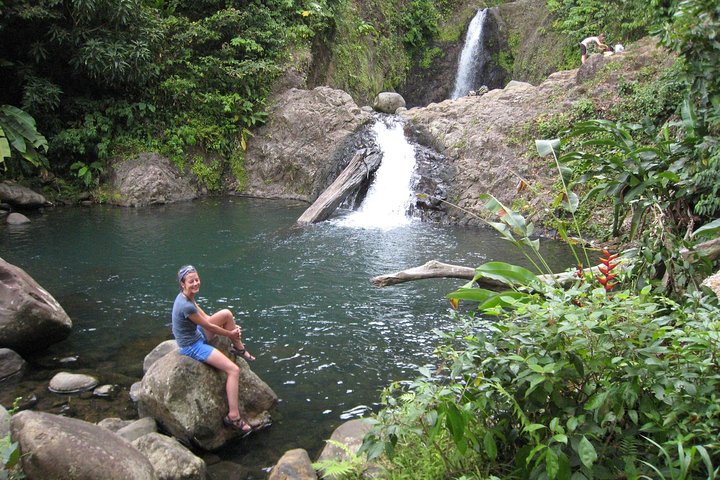
Rain is more frequent and often arrives in sharp afternoon showers, with mornings still bright. The island turns lush and green, waterfalls run strong and crowds thin, so rates can be lower and beaches quieter. Sea conditions can be rougher on some days, and cloud can reduce visibility for snorkelers, so keep your plans flexible. Interior trails are muddier, so wear shoes with grip and allow extra time. A light rain jacket and a quick-dry change of clothes are worth packing. Many travelers find the wet season a pleasant way to see the island at its greenest, as long as they do not mind the occasional shower.
Hurricane season
The Atlantic hurricane season runs from June to November. Grenada lies near the southern edge of the usual storm track, so direct hits are uncommon, but storms and heavy rain can still affect travel plans, and nearby islands have been badly damaged in recent years. Check forecasts before you travel, consider travel insurance that covers weather disruption and ask your hotel and tour operators about their cancellation and rebooking terms. Keep an eye on local advice if a storm is approaching.
Temperatures and sea
Daytime temperatures usually sit in the high 20s to low 30s Celsius, and the sea is warm enough for comfortable swimming all year. Nights are cooler in the hills, and Grand Etang can feel noticeably fresher and wetter than the coast, so bring a layer. Sun protection is vital in every season.
Turtles and wildlife
From roughly March to July, endangered leatherback turtles nest on beaches such as Levera in the north. Licensed guides run night watches, and following their rules protects the animals. Birdwatchers will find the wetlands and forests interesting throughout the year, with early mornings the most rewarding.
Festivals and events
The island's biggest celebration is its carnival, known locally as Spicemas, which takes place in August and fills St. George's with music, costumes and street parades. If you want to join in, book accommodation well ahead, because it is one of the busiest weeks of the year. Other events include regatta weekends, food and music festivals and local fish fries. The Friday fish party in Gouyave happens every week, so it can fit into any itinerary.
Cruise seasons
Cruise ships call most frequently in the winter months, which means the port area, Grand Anse and the main tour sights can be busier on ship days. If you are staying overnight, plan beach time for days with fewer ships or go early or late to avoid peaks. If you are on a port stop, book tours ahead and leave a generous buffer before all-aboard.
How to choose
Pick January to May if you want reliable sunshine, calm seas and the full range of activities, and be ready to pay more. Choose June to early December if you prefer fewer crowds, greener scenery and better rates, and accept the chance of showers. For turtles, aim for spring and early summer; for carnival, go in August. Shoulder periods such as late April to early June and late November often balance weather and price well.
Planning checklist
Check seasonal opening patterns for sights, confirm that your tours run in your travel month and keep one flexible day in your itinerary to absorb weather. Pack reef-safe sunscreen, insect repellent, a hat, a rain jacket and shoes for muddy trails, and you will be ready for whatever the season brings.