Why eat in Guadalajara
Guadalajara is the capital of a state that gave Mexico tequila, birria and the torta ahogada, and the city takes its food seriously. Locals, called tapatíos, eat late, eat often and argue cheerfully about which stall is best. The good news for visitors is that you do not need a reservation or a big budget to eat well. The best meals are often a plate of tacos from a counter, a bowl of stew in a busy plaza or a long lunch at a market table. This guide explains the dishes to look for, the places to find them and how to drink the local spirits with confidence.
Birria
The dish you will hear about first is birria, meat slow-cooked in a broth of dried chillies and spices until it falls apart. In Jalisco it is traditionally made with goat, though beef is common, and it is served in a bowl, in tacos or with a cup of the cooking broth, called consomé, on the side. Lime, chopped onion and coriander are the usual toppings. The Plaza de las Nueve Esquinas, a small fountain square south-east of the cathedral, is known as the place to eat it, and the tourism board names Birrieria Las 9 Esquinas, El Pilón de los Arrieros and Birrieria El Compadre nearby. Go at lunchtime, when birrerías are busiest, and check opening days, since one of them closes on Wednesdays.
Tortas ahogadas and carne en jugo
The torta ahogada is Guadalajara's signature sandwich: a crusty salt-bread roll filled with pork and drowned in a tomato sauce, often with a second, fiery chilli sauce on the side. Ask for it medio ahogada if you want a gentler version. Carne en jugo is a bowl of thin beef in a savoury broth with beans and bacon, served with tortillas, and it is a comfort dish that locals eat for lunch. You will find both at market counters and in small family restaurants across the centre. Be careful with the chilli sauce, and keep a drink nearby.
Markets and street food
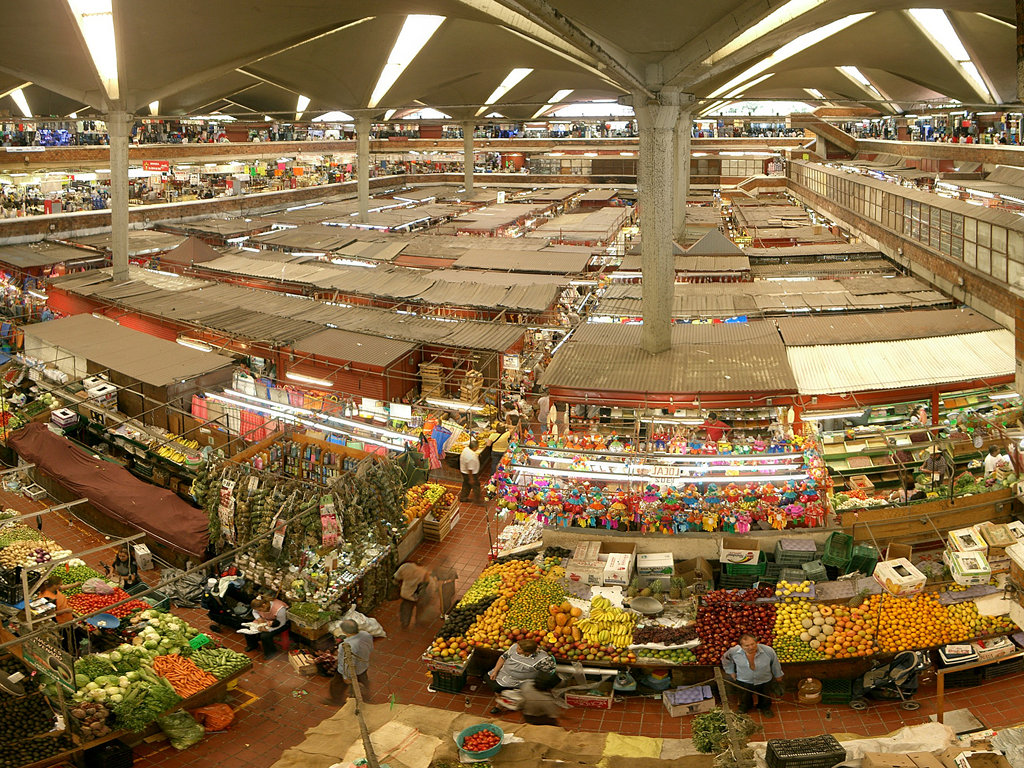
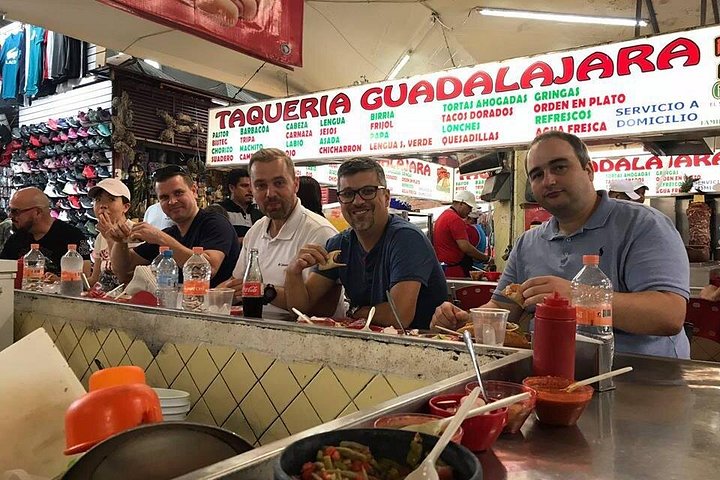
The Mercado San Juan de Dios, also known as Mercado Libertad, is one of the largest covered markets in Mexico, and its upper floor has food counters serving the classics. Go with an appetite and small bills, point at what looks good and watch where locals queue. Street stalls sell tacos, quesadillas, tamales, elotes and fresh fruit cups, and the tourism board's own itinerary suggests visiting traditional cantinas for lunch. If you are nervous about where to start, a guided tasting is an efficient way to learn the ropes. Our private street food tour takes you to trusted vendors, explains what you are eating and gives you recommendations to use for the rest of your stay.
Drinks to try
Tejuino is a cold, lightly fermented corn drink served with lime, salt and sometimes a scoop of shaved ice, and it is sold from carts on hot afternoons. Agua fresca, fresh fruit water, is everywhere. Beer is a staple of lunch, and a michelada, beer with lime, salt and sauces, is a popular hangover cure. The local favourite among cocktails is the cantarito, tequila mixed with citrus juice and grapefruit soda in a clay cup. In Tlaquepaque, the courtyard of El Parián is the classic place to drink one while mariachi bands play.
Tequila and other agave spirits
Tequila is made from blue agave in a protected region that includes Jalisco, and the town of Tequila is an easy day trip from the city. Our day trip with a distillery tour and tasting is the simplest way to see the process and learn the difference between blanco, reposado and añejo. In the city, cantinas and bars serve tequila neat, with a chaser of sangrita, a spicy tomato and orange mix. You may also come across raicilla, a regional agave spirit with a distinct smoky, fruity character, and mezcal. Sip, do not shoot, and drink water between glasses, because the altitude of about 1,500 metres makes alcohol hit harder than you expect.
Where to eat by neighbourhood
In the historic centre, look for market counters, cantinas and simple family restaurants around the cathedral and the Mercado San Juan de Dios. In Colonia Americana and along Avenida Chapultepec, you will find specialty coffee, bakeries, contemporary Mexican restaurants and bars that stay lively into the night. In Tlaquepaque, restaurants set in old courtyard houses serve regional dishes and drinks in a relaxed setting. Sunday brunch is a local custom, so book ahead if you have a favourite in mind.
Practical tips
Lunch, the comida, is the main meal and often begins after two in the afternoon, while dinner may not start until nine. Carry small bills for stalls, tip around ten percent in sit-down restaurants and say gracias to street vendors. Choose busy places with fast turnover, drink bottled or purified water and wash your hands before eating. Vegetarians will find the classic dishes meat-heavy, but market stalls offer cheese quesadillas, mushroom tacos, fruit and tamales, and many contemporary cafés have vegetarian menus. If you have allergies, tell the guide or waiter in Spanish before ordering.
Where to stay for food lovers
If eating is your priority, base yourself where restaurants are on your doorstep. Casa Habita and Hotel Demetria in Colonia Lafayette are a short walk from Avenida Chapultepec and the Colonia Americana cafés, and Hotel de Mendoza puts you in the historic centre close to the markets and cantinas.