Why Guadalajara
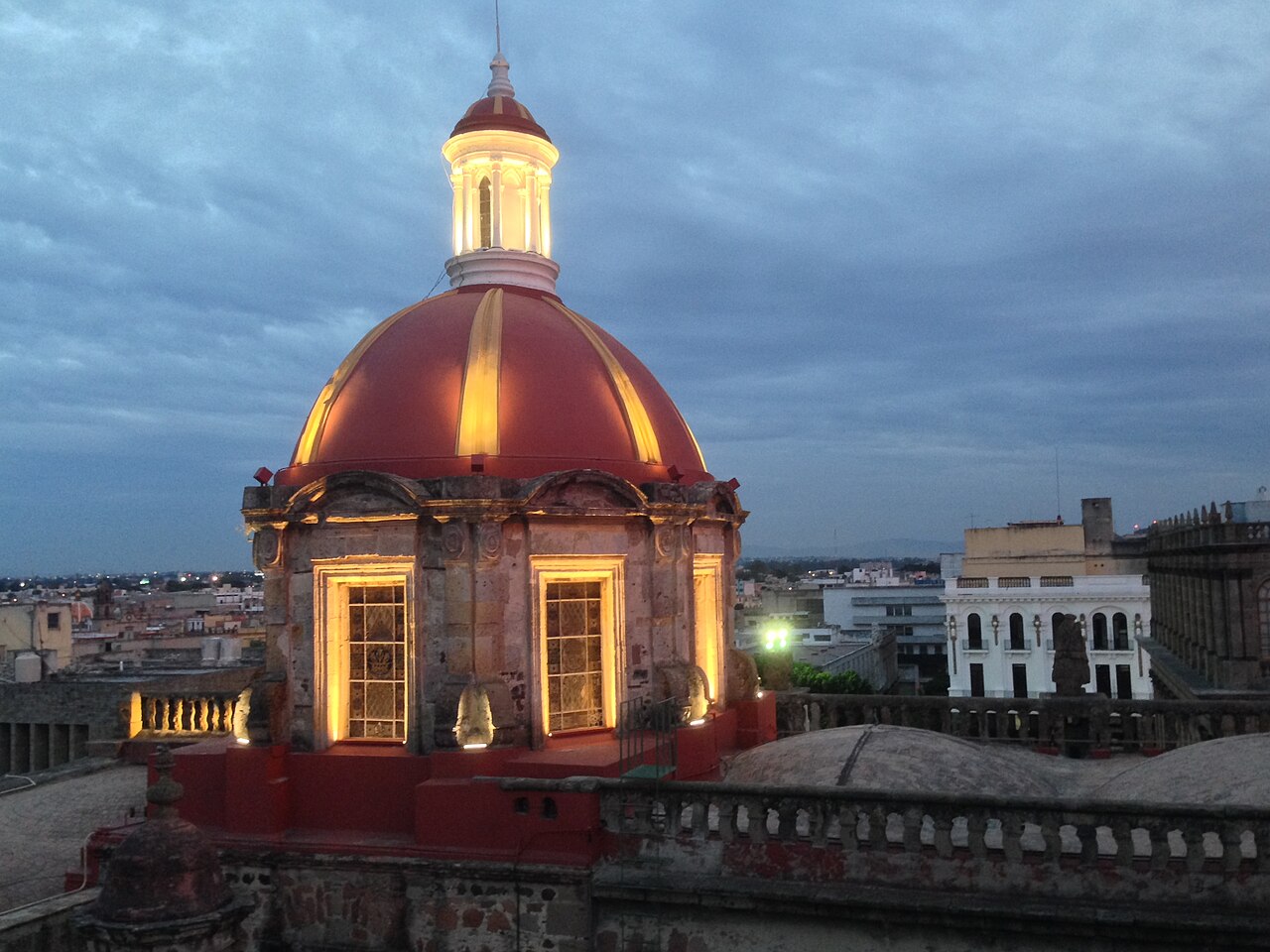
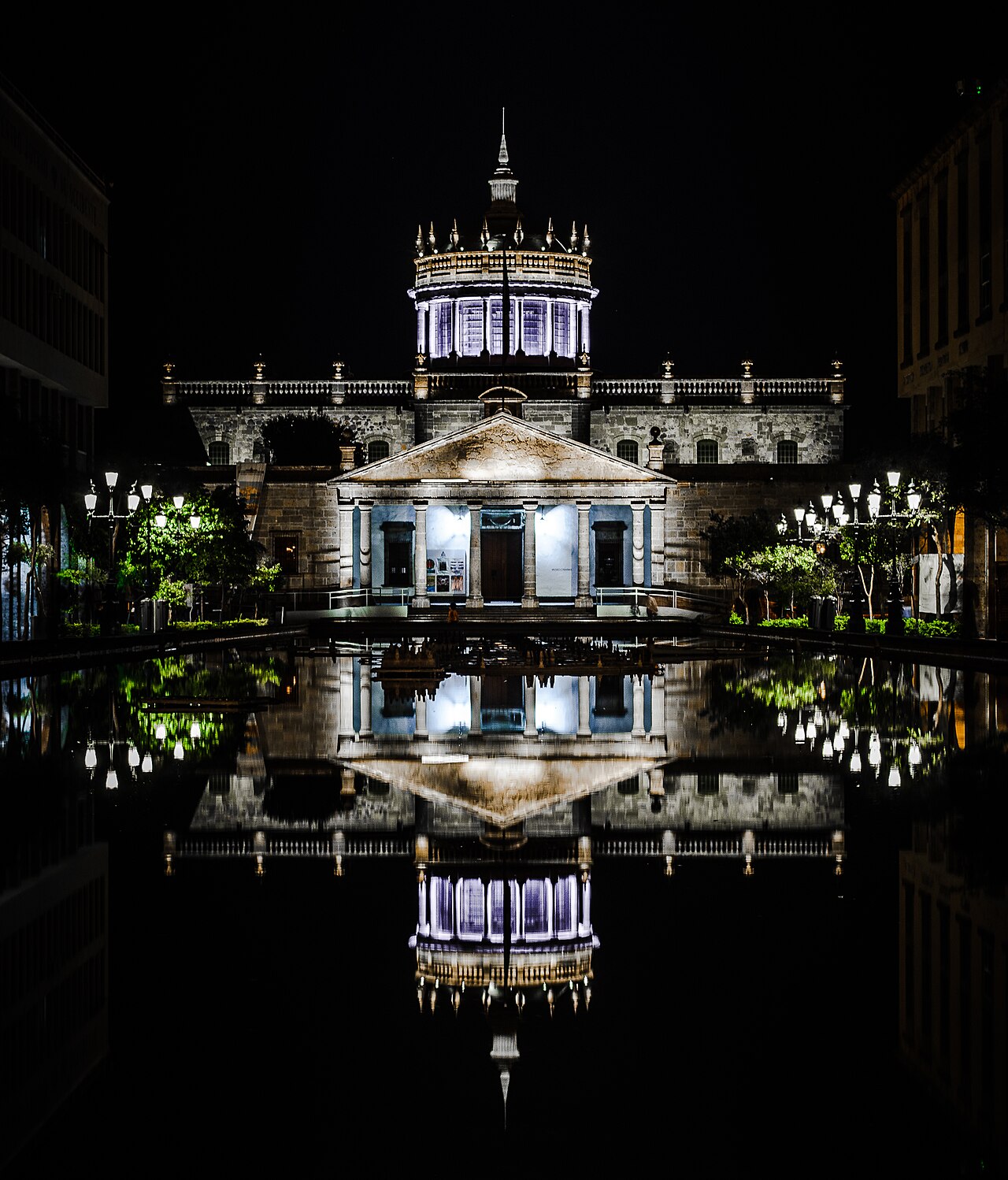
Guadalajara is Mexico's second city and the home of mariachi, tequila and the charro, yet its historic centre is compact, walkable and full of art. The cathedral's yellow spires, the Teatro Degollado, the Palacio de Gobierno with its Orozco mural and the UNESCO-listed Hospicio Cabañas sit within a short walk of each other. Beyond the centre, the craft town of Tlaquepaque and the agave landscape around Tequila add easy outings. The city feels lived-in rather than polished, and the food is a reason to come by itself.
How many days
Three days is a comfortable first visit. Day one is the historic centre on foot: the cathedral, the Plaza de Armas and the Palacio de Gobierno, the Teatro Degollado and the Plaza Tapatía, finishing at the Hospicio Cabañas for the Orozco chapel. Day two is Tlaquepaque, with a long lunch at El Parián, plus the Mercado San Juan de Dios if you have energy. Day three is a day trip to Tequila. A fourth day suits the Michin Aquarium for families, a street food tour or a night of lucha libre.
What to book ahead
Very little is essential, but a few things reward planning. The Tequila day trip and the lucha libre night are guided experiences that run on set dates, so reserve them before you arrive. A private street food tour is easiest to arrange early in your stay, so you can use the recommendations afterwards. The Hospicio Cabañas closes on Mondays and the museum's website shows free entry on Tuesdays, so avoid Tuesday if you dislike queues. For a concert at the Teatro Degollado, check the programme for dates. Hotels in the centre fill up on festival weekends, so book early.
Getting around
The centre is flat and walkable, with pedestrian streets linking the plazas. The light rail runs through the city, and Tlaquepaque Centro is a main station on Line 3, although the walk from the station to the town centre takes about twenty-five minutes, so many visitors take a taxi for the last stretch. Taxis and ride services are inexpensive and are the easiest way to reach places outside the centre, such as the Michin Aquarium. Tequila is about 67 kilometres northwest, roughly 45 to 60 minutes by road, and a guided tour handles the transport. Guadalajara airport is about 45 minutes by car from the centre.
Where the headline sights fit
Think of the centre as a cross of plazas around the cathedral. The Plaza de Armas lies to the south, with the Palacio de Gobierno on its east side and the Teatro Degollado a few steps away. The Plaza de la Liberación is to the east, and from there the Plaza Tapatía runs on to the Hospicio Cabañas. The Mercado San Juan de Dios is nearby, a short ride from the Hospicio. Tlaquepaque and Tequila are the outliers, best given a half day and a full day respectively.
When to go
The dry season, roughly November to April, is the most comfortable time for walking and for the agave fields. The rainy season, roughly June to September, brings afternoon showers, which suit the museums and the aquarium. Sunshine is strong year-round, so carry a hat and water. Thursday and Sunday evenings bring free band concerts on the Plaza de Armas, which is a good reason to plan your evenings.
Practical notes
Carry some cash for markets, crafts and tips, and agree the price of a mariachi song before it starts. Dress modestly in churches. Keep your valuables out of sight in crowded places, as you would in any large city, and use licensed taxis or ride services at night. Check current travel advisories from your government before you book and again before you travel, and follow local guidance during your stay.
Choosing a base
For a first visit, a hotel in the historic centre keeps you within walking distance of most sights. Our Where to Stay guide compares the five hotels we recommend, from a design-led splurge to a budget hostel.