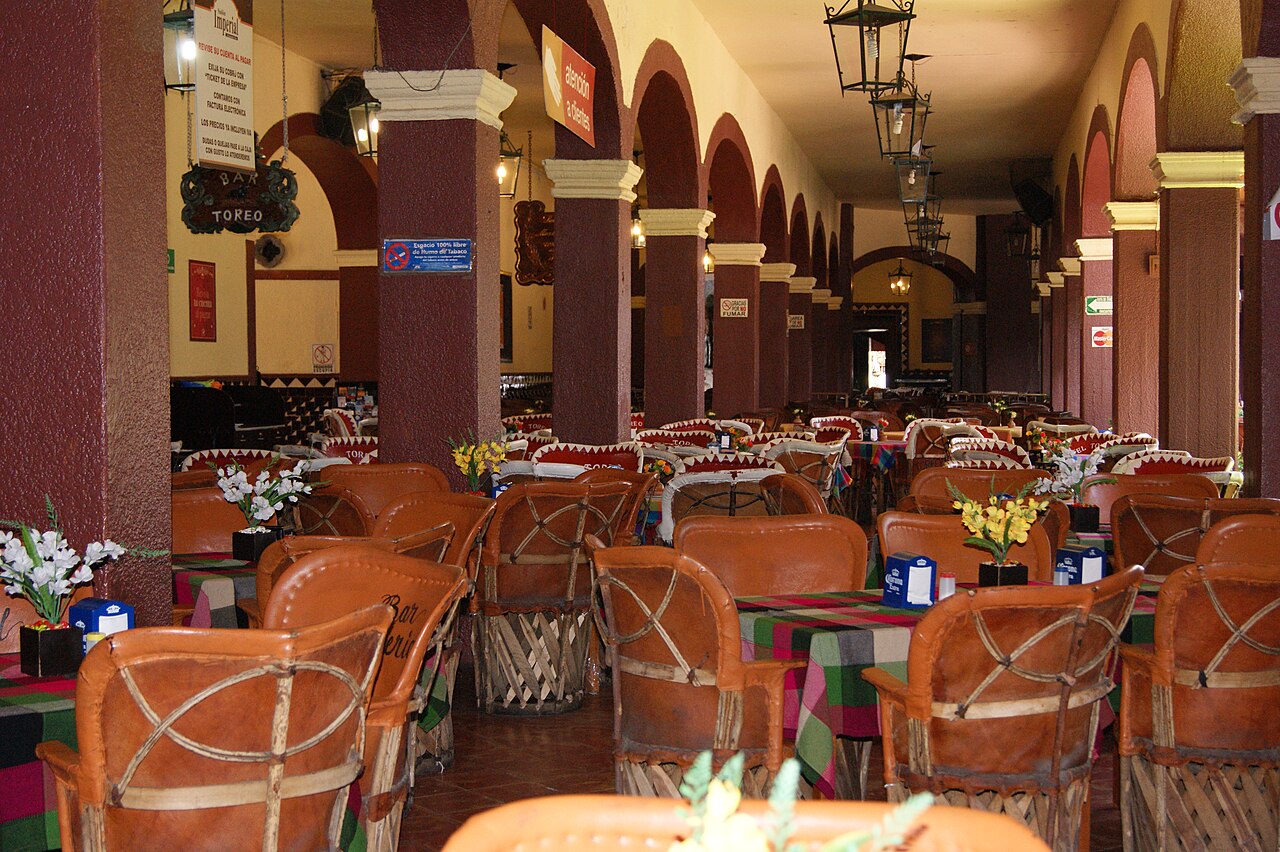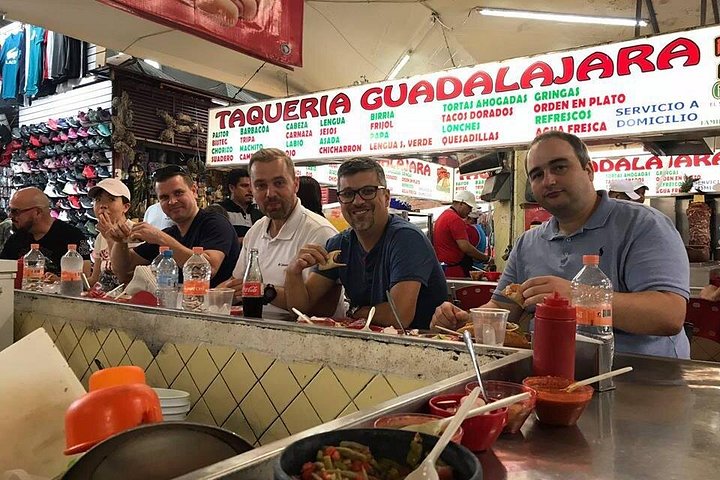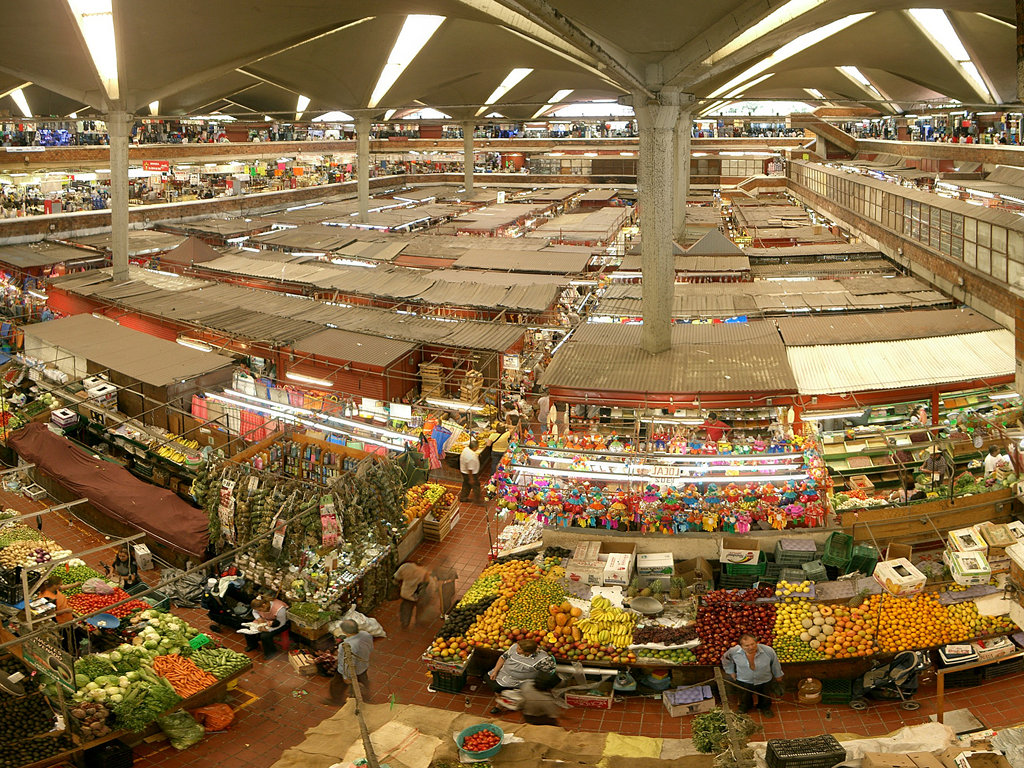
Formally named the Mercado Libertad but known to every tapatío as San Juan de Dios, this is the kind of market that swallows an afternoon. The current building was designed by the young engineer Alejandro Zohn and inaugurated in December 1958, replacing an 1888 market that occupied about half the footprint. It is one of only three twentieth-century buildings in Guadalajara declared a National Historic Monument, and its soaring roof lets in light that makes the aisles feel airy despite the crowds. The city's tourism site describes it as one of the largest covered markets in Mexico, with around 2,800 stands. Downstairs you will find handicrafts such as pottery, baskets, embroidered textiles and traditional sweets, leather goods including boots, huaraches and jackets, along with meat, cheese, produce, kitchenware, herbs, home remedies and religious articles. Upstairs, small restaurants and food stalls serve local dishes: caldo michi, a freshwater fish soup; tortas locas, big sandwiches of pork leg; birria tatemada; and quesabirria tacos. Prices are generally low, and haggling is part of the culture for crafts, though not for meals.
The market stands in the San Juan de Dios neighbourhood, next to the church of the same name and on the edge of the historic centre, so it is easy to add to a walking day. The interior and exterior courtyards give breathing space between the aisles and are good places to regroup.
The tone is local rather than touristy: families shop for the week, vendors call out and the smells of grilling meat and frying dough drift between the stalls. That authenticity is the appeal, but it also means signage can be sparse and not everyone speaks English, so a few Spanish phrases help.
Working the visit
Weekday mornings are calmer than weekends, and many stalls begin to close in the late afternoon. Bring small notes and coins, since vendors may not have change for large bills, and carry a small bag you can wear in front of you in the crush. Eat where the line is longest and the cooking is happening in front of you.
For crafts, look for items that are handmade and compare prices between a few stalls before buying; quality varies a lot. If you are nervous about navigating the maze alone, a guided food tour is a good way to taste widely and learn what is what, and our street food tour on this site passes through markets of this kind.
Who it suits
Food lovers, budget travellers, photographers and anyone who wants to see everyday Guadalajara beyond the colonial plazas. Families with children can enjoy it, though the crowds and narrow aisles call for patience and a close watch on little ones. It is not the place for those who dislike strong smells, raw meat or tight spaces. Combine it with the Hospicio Cabañas, which is a short walk or ride away, and plan a lunch in the market itself to make the most of the visit.
What to expect
The experience
A self-guided wander through a multi-level covered market, with crafts and leather goods on the lower levels and food stalls upstairs.
Best time
Weekday mornings or around lunch, when the food stalls are busiest but the aisles are still manageable.
How long
One to two hours including a meal.
Tips
Carry small bills and a bag worn in front, eat at busy counters and compare craft prices across several stalls.
Quick picks
- Best for
- Food lovers and curious travellers who want a taste of everyday Guadalajara.
- Families
- Lively and colourful, but crowded; hold hands in the aisles and pick a quieter weekday.
- Couples
- Share quesabirria and a fruit drink upstairs, then browse for a handmade souvenir.
- Pair with
- The Hospicio Cabañas, the Plaza Tapatía and a street food tour.
- Time needed
- Allow ninety minutes including lunch.
Good questions
Is it called Mercado Libertad or San Juan de Dios?+
Both names refer to the same market. Locals mostly say San Juan de Dios, after the nearby church and neighbourhood.
What should I eat there?+
Try caldo michi, tortas locas, birria tatemada and quesabirria tacos, which are the dishes the tourism sources highlight. Pick busy stalls where you can see the food being prepared.
How big is the market?+
The city's tourism site describes about 2,800 stands over several levels, making it one of the largest covered markets in Mexico.
Can I bargain?+
Haggling is normal for crafts and leather goods, but not for prepared food. Smile, compare prices and keep it friendly.
Is it safe?+
It is a crowded public market, so use ordinary city precautions: keep bags zipped and in front of you and avoid displaying valuables.