No building says Guadalajara more clearly than its cathedral. Construction began in 1558 under a commission from King Philip II, with Bishop Pedro de Ayala laying the first stone, and the church was completed in 1618. Earthquakes then did what earthquakes do: the 1818 tremor brought down the domes and towers, and a second quake about twenty years later destroyed their replacements. The slender neo-Gothic towers you see today date from the 1850s and are covered in yellow tiles from Sayula, a town to the south, which gives them a warm glow in the afternoon light. Local lore says the design was inspired by the bishop's dinner china. The result is a building that mixes Spanish Renaissance, neoclassical, Gothic and baroque elements without apologising for any of them. Inside, you find Gothic vaults, white Tuscan-style pillars, French stained glass, three chapels and eleven altars, a marble and silver main altar and a late nineteenth-century French organ in the loft above the entrance. In the sacristy hangs a painting of the Virgin attributed to Bartolomé Esteban Murillo. The cathedral opens from eight in the morning to eight in the evening according to the city's tourism site.
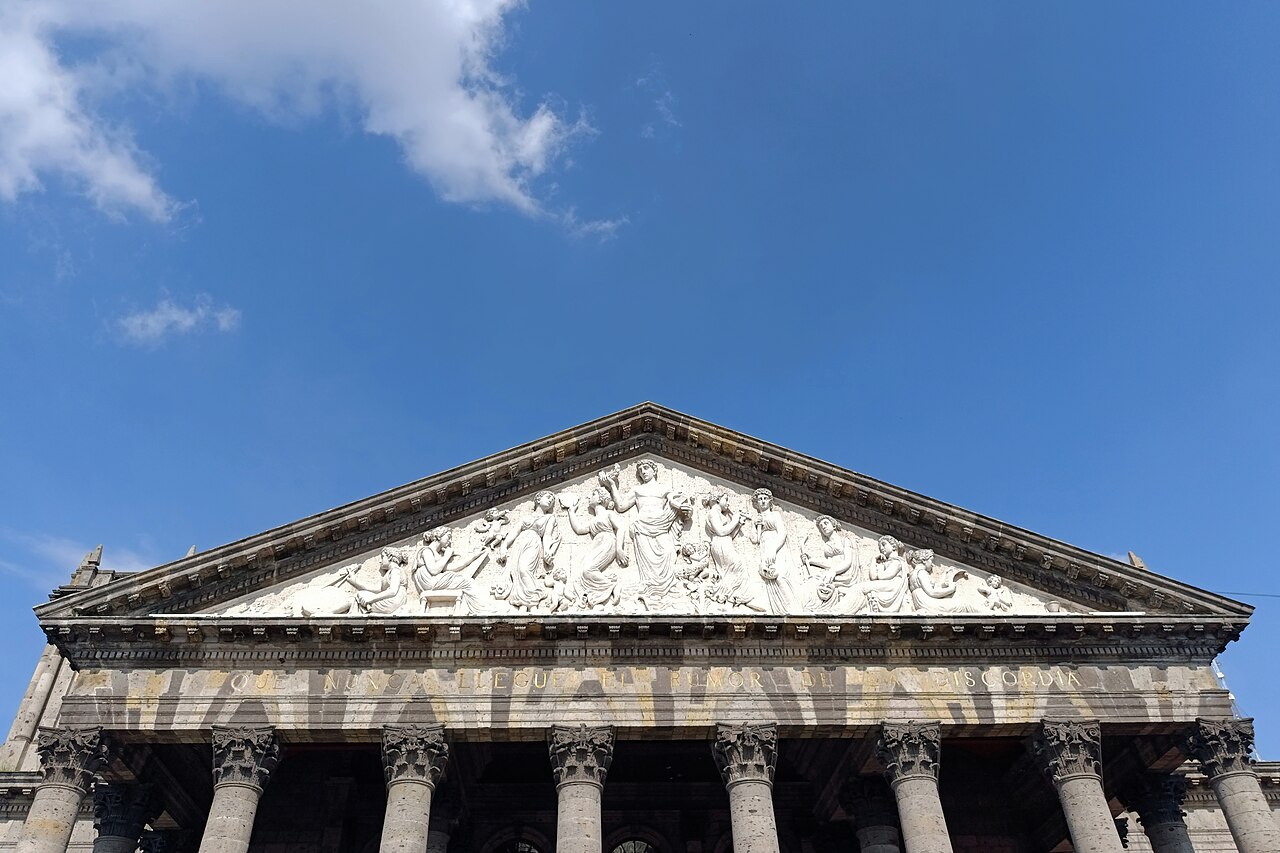
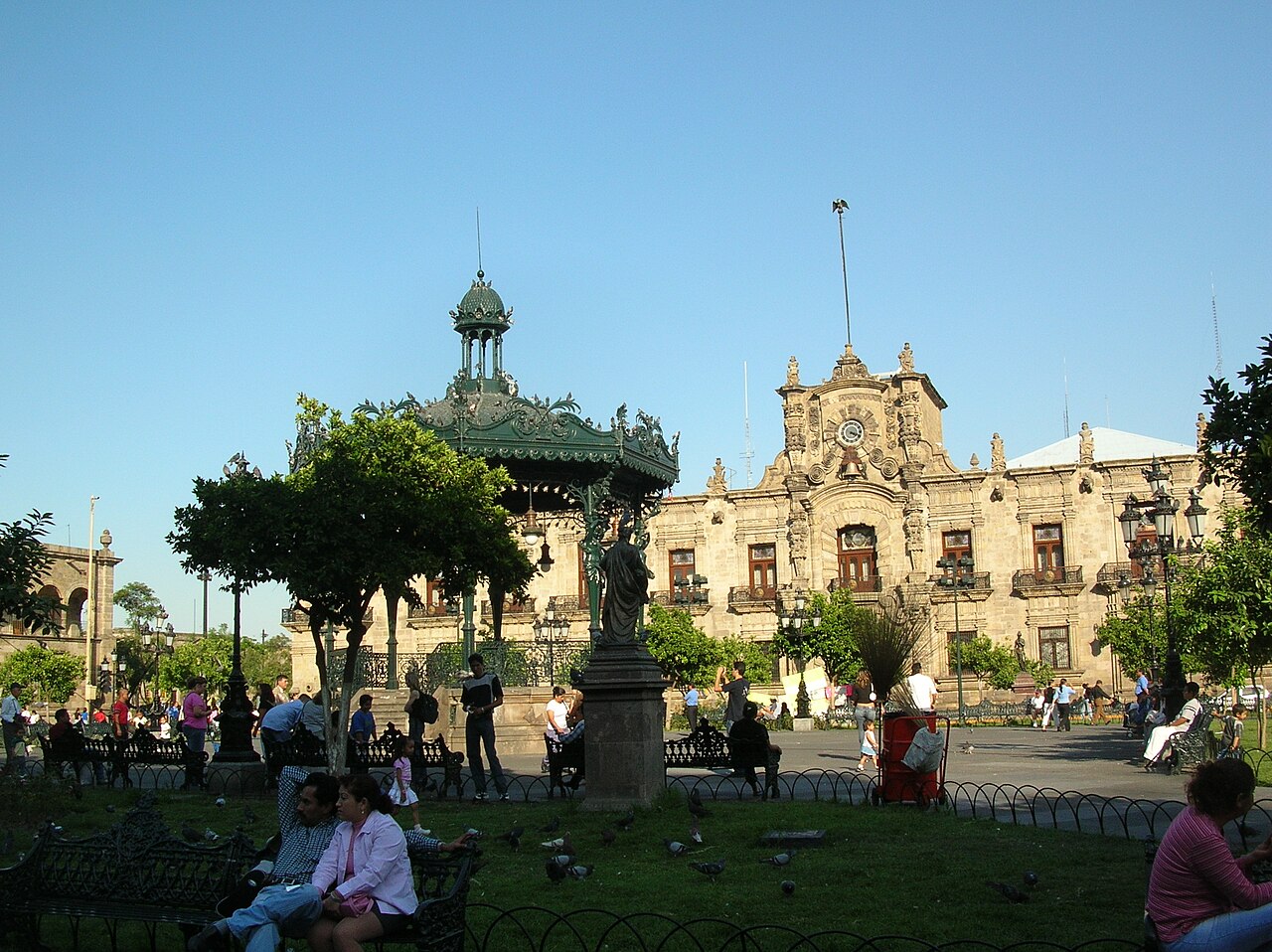
The cathedral is also the anchor of the historic centre's four plazas, laid out in the shape of a cross around it. The Plaza de Armas lies on its south side, with the Palacio de Gobierno across it, while the Plaza de la Liberación spreads to the east, which is the angle from which the towers photograph best. The Teatro Degollado stands close to the site of the very first cathedral, a thatch-roofed adobe church from 1541, a reminder of how modest the city was in its first years and how much its architecture has changed.
Take a moment on the steps to look up at the towers and across the open spaces; the sense of ceremony is part of the experience.
Working the visit
This is a living church, not a museum. Masses are held throughout the day, so keep your voice low, dress respectfully with shoulders and knees covered, and avoid walking around the altars during services. There is normally no charge to go in, though donations to candles and the reliquary are common.
A popular reliquary near the north entrance holds relics associated with Santa Inocencia, and you may see worshippers queueing quietly. Photography is usually tolerated but not always welcomed near praying people, so use judgment and avoid flash. Early morning is the calmest time, and late afternoon brings the best light on the towers outside.
Who it suits
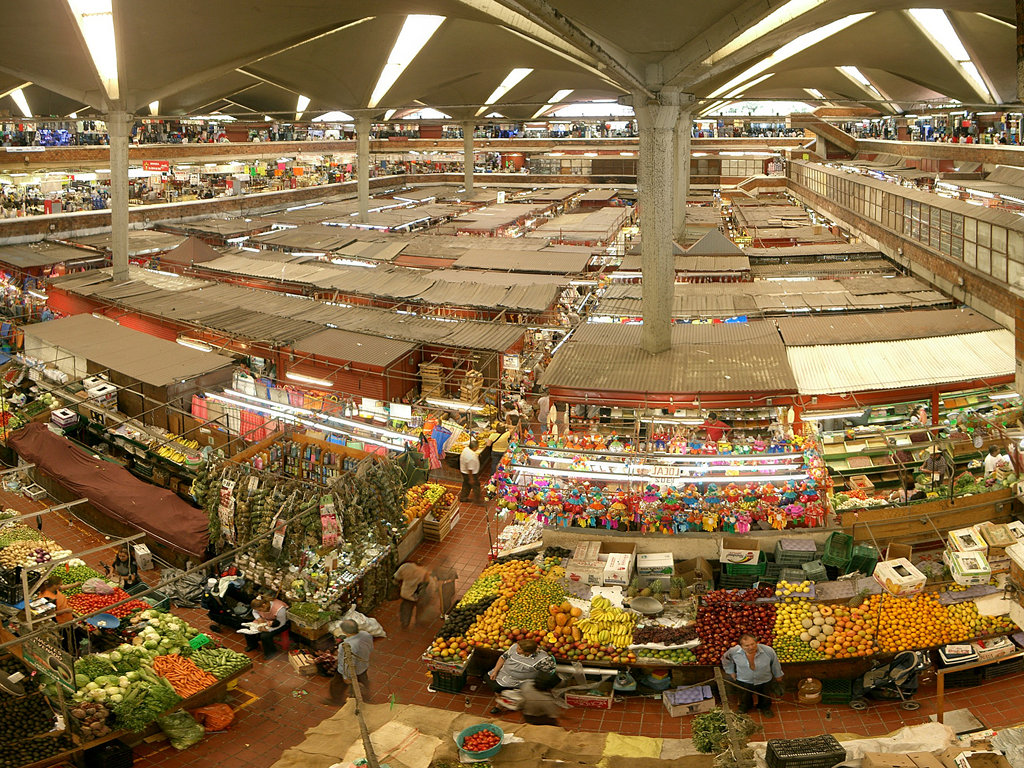
Everyone, since it costs nothing, takes twenty or thirty minutes and sits at the centre of the walking route. Architecture fans will enjoy the layers of styles, history readers can think about the earthquakes that remade the building, and families will find the towers easy to spot and the plazas good for stretching legs. Combine it with the Teatro Degollado, the Plaza de Armas and the Palacio de Gobierno for a compact morning, then head east toward the Hospicio Cabañas and the market.
What to expect
The experience
A free, self-guided look inside the cathedral, taking in the neo-Gothic towers, Gothic vaults, stained glass, altars and the reliquary.
Best time
Early morning for calm, or late afternoon when the yellow tiles on the towers catch the light.
How long
Twenty to forty minutes, longer if you wait for a quiet moment or listen to the organ.
Tips
Dress modestly, stay out of the way during Mass, and photograph the towers from the Plaza de la Liberación side.
Quick picks
- Best for
- First-time visitors who want the city's defining landmark at no cost.
- Families
- Free, quick and surrounded by open plazas, so it works well with children; ask them to use quiet voices inside.
- Couples
- Sit on a bench in the Plaza de la Liberación at dusk when the towers are lit.
- Pair with
- The Plaza de Armas, the Palacio de Gobierno and the Teatro Degollado, all within a few minutes on foot.
- Time needed
- Half an hour inside and out is enough.
Good questions
When was the cathedral built?+
Construction began in 1558 and the church was finished in 1618. Earthquakes later destroyed the towers, and the current neo-Gothic spires date from the 1850s.
Is it free to enter?+
There is normally no ticket to enter the cathedral as it is an active church. Donations for candles or the reliquary are voluntary.
What are the opening hours?+
The city's tourism site gives eight in the morning to eight in the evening. Services can limit access to some areas, so be flexible.
What is special inside?+
Look for the Gothic vaults, the French stained glass, the marble and silver main altar, the French organ and the painting in the sacristy attributed to Murillo.
What should I wear?+
Cover shoulders and knees out of respect, as this is a working church. Hats off and phones on silent are good manners.