Guangzhou is one of the largest cities in China, and its sights are spread across districts that can be an hour apart in traffic. The good news is that the transport system is excellent, and once you understand a few basics, moving around is cheap, fast and surprisingly easy. This guide covers the main options and how to combine them.
The metro is your backbone
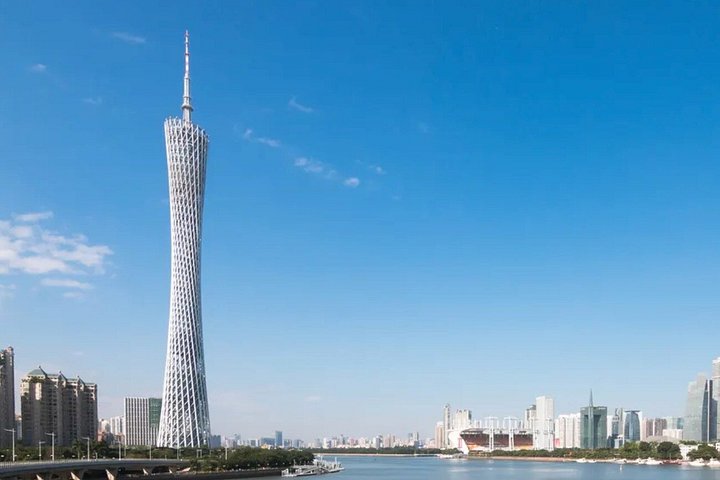
The Guangzhou metro is extensive, clean, air-conditioned and signposted in Chinese and English. It reaches the airport, the main railway stations, Canton Tower, Zhujiang New Town, the old western districts and many of the parks and shopping areas visitors want to see. Stations have security checks, so carry only what you need and keep your bag easy to open. Trains can be very crowded at rush hour, so avoid the morning and evening peaks when you can, and let passengers exit before you board. Tickets can be bought at machines or through mobile apps, and many visitors find a mobile payment setup easier than queuing. Look at a metro map before you go, because transfers between lines can involve long walks inside large stations.
Airport links
Baiyun International Airport is connected to the city by metro, by airport buses and by taxi or ride-hailing. The metro is the cheapest option and avoids traffic, although it takes longer than a car outside rush hour. If you arrive late at night, check the last train time before relying on it, and arrange a car or taxi in advance. A hotel pick-up can be a calm choice after a long flight.
High-speed rail for onward trips
Guangzhou is a major rail hub. Guangzhou South station is the main high-speed station for trains toward Hong Kong, Shenzhen and many other cities, while other stations handle different routes. Always check which station your ticket uses, because they are far apart and a mistake can cost you hours. Arrive early, bring your passport for ticket checks and keep your phone charged for electronic tickets. For information on Hong Kong and Shenzhen, see their own twickly destination pages.
Taxis and ride-hailing
Street taxis are inexpensive and plentiful, but drivers rarely speak English. Show your destination in Chinese on your phone or on a card written by your hotel. Ride-hailing apps are widely used and can be easier because the destination is entered digitally, although you may need to register with a foreign phone number or card. During rush hour and rainy spells, waiting times grow, so build in margin when you have a booking such as a show or a cruise. Agree on the fare or check that the meter is running, and keep small change handy.
Ferries and the river
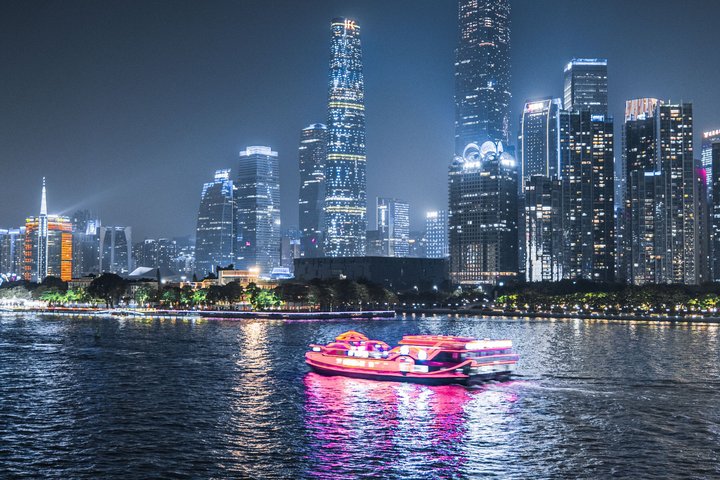
The Pearl River is not only for cruises. Public ferries cross the water at several points and offer a cheap, atmospheric way to see the skyline from below. They are especially pleasant in the evening when the towers are lit. If you prefer a sit-down view, a Pearl River night cruise gives you commentary and a comfortable seat, and it pairs well with Canton Tower.
Sightseeing buses and tours
If planning feels heavy, a hop-on hop-off double-decker bus links major landmarks and takes the strain out of navigation on your first day. For something different, a guided tech tour with a self-driving taxi shows the modern city, and a private day trip with a driver is the easiest way to reach places such as Foshan, Zhaoqing or Humen, where public transport takes much longer.
Walking and cycling
The old western districts reward walking: Shamian Island, Shangxiajiu and the Xiguan lanes are best explored on foot. Pavements can be uneven and busy, and scooters sometimes use them, so stay alert. A guided cycle tour is a good alternative in some areas. Summer heat and humidity make long walks tiring, so carry water, wear a hat and plan indoor breaks in teahouses and malls.
Payment and apps
China is largely cashless, and many shops, kiosks and even taxis expect payment through a mobile wallet. Foreign cards can often be linked to the main wallet apps, so set this up before you arrive. Carry some cash as a backup, since not every vendor accepts cards and some machines refuse foreign cards. Download an offline map and a translation app, and save your hotel name and address in Chinese. Mobile data and apps may behave differently in China from the way they do at home, so test your setup before relying on it.
Practical tips
Keep your passport accessible for rail stations and hotels. Learn a few phrases for directions, and do not be shy about showing your phone screen to staff. Allow generous time for any train or flight, because queues, checks and traffic can add up. Be careful at crowded exits and on escalators during peak periods, and keep your valuables in a zipped bag in front of you.
A simple approach
On arrival day, take the metro or a pre-booked car to your hotel. On day one, ride a sightseeing bus or join a short tour to understand the layout. On later days, use the metro for the long hops, walk the old districts and book private transport for day trips. This mix keeps costs low and stress lower, and it leaves your energy for the food, markets and views that make Guangzhou special.