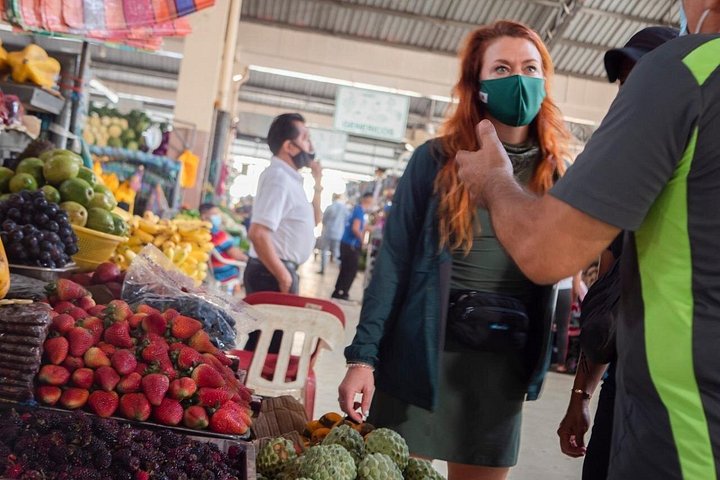
Guayaquil is the culinary heart of coastal Ecuador. Its cooking draws on the sea, the plantain and rice fields, the cacao farms and the immigrant traditions that built the port, and eating well is one of the best reasons to visit. This guide introduces the dishes and drinks to look for and the habits that make dining easier.
Start with encebollado
The city's signature dish is a soup of tuna or albacore, yuca and pickled red onion in a tomato and spice broth, served with lime, chili sauce, and often with plantain chips or bread on the side. Locals eat it for breakfast or as a hangover cure, and the best places often open early and run out by late morning. Order it with a squeeze of lime and a little ají sauce, and ask for the portion size that suits your appetite.
Ceviche, the coastal way
Ecuadorian ceviche is soupier than the Peruvian version, with shrimp, fish or shellfish in citrus juice, red onion, tomato and cilantro, often accompanied by toasted corn called tostado, plantain chips or popcorn. Shrimp ceviche is the most common, and some versions use a tomato-based sauce. Eat it at a busy restaurant where turnover is high, and ask your host or guide to recommend a place if you are cautious about raw seafood.
Crab and seafood
Red crab is a local favorite, served whole in a rich sauce or in a hearty stew, and eating it is a messy, social occasion with mallets and wet towels. Fried fish, shrimp, calamari and mixed seafood rice are also common, and many restaurants serve them with patacones, flattened and fried green plantains, and a simple salad.
Plantain dishes
Green plantain is the backbone of coastal cooking. Bolón de verde is a ball of mashed plantain filled with cheese or pork rind, fried or baked and eaten at breakfast with coffee. Patacones are crisp slices, and maduros are sweet fried ripe plantains. Tigrillo is a scrambled mix of plantain, egg and cheese. Together they make filling, inexpensive meals.
Rice, beans and grilled meat
Everyday lunch, called almuerzo, often arrives as a set menu with soup, a main plate of rice, lentils or beans, grilled meat or fish and a juice, at a small price. Seco de chivo, a stew of goat, and guatita, a tripe stew with peanut sauce, are regional specialties. Look for small family restaurants downtown, where the set lunch is a bargain and the cooking is honest.
Cacao and chocolate
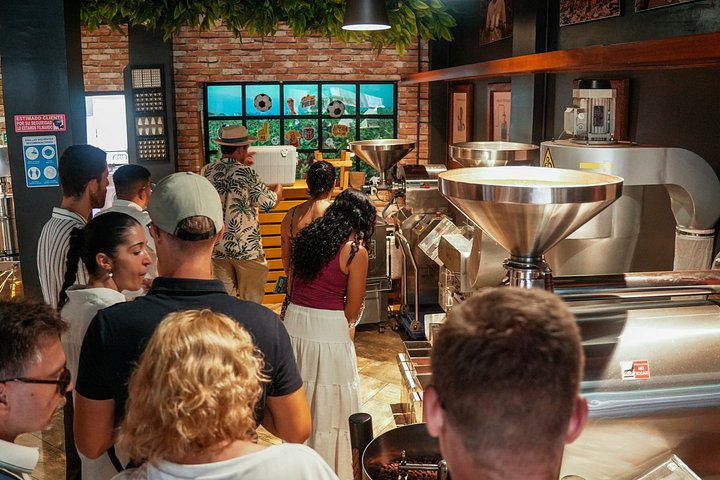
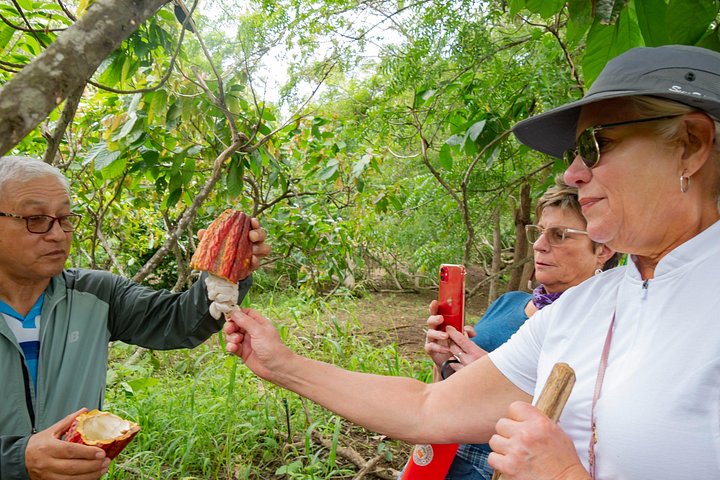
The cacao story is part of the city's identity. Ecuador is known for fine-aroma cacao, and a visit to a cacao farm or a chocolate museum includes tastings of beans, pulp and finished bars. Buy local bars as gifts and look for single-origin options with the percentage clearly marked. A guided tasting is the easiest way to learn what to look for.
Fruit and drinks
Fresh juices are a daily pleasure, with fruits such as passion fruit, soursop, tamarind, naranjilla and tree tomato. Coconut water is sold from stalls along the Malecón. Local beers are light and cold, and cocktails with tropical fruit are popular in the evening. Drink bottled or purified water, and ask whether ice is made from purified water if you are cautious.
Eating safely and sensibly
Choose busy places with high turnover, eat seafood at midday when it is freshest, and carry hand sanitizer. If you are sensitive to spice, ask for the chili sauce on the side, as it is usually served separately. Tell restaurants about allergies, especially to shellfish and peanuts, which appear in many dishes. Tipping of around ten percent is customary where a service charge is not already added.
A guided shortcut
If you are short of time, a guided food experience gives you a curated set of tastings and explains each dish, and a night tour with fruit drinks adds a drinks angle. These are good on your first full day because the recommendations feed into the rest of your meals.
Where to go
For a view with dinner, try the Malecón and Puerto Santa Ana. For lunch and local color, walk the streets around the downtown squares. For a modern dining scene, the northern districts and the Samborondón corridor have a wide range of restaurants. Whatever you choose, make time for a long lunch, which is the heart of Ecuadorian eating.