Guayaquil has a tropical climate with two main seasons, and neither makes the city unvisitable. The right time depends on what you want to do: beach days, wildlife, comfortable sightseeing or festivals. This guide explains the seasons and how to plan around them.
The wet season: roughly December to May
This is the hot, humid time of year, with the heaviest rain typically falling in the afternoons and evenings. Mornings are often sunny, so sightseeing early in the day is still productive. The countryside turns green, waterfalls run full and the beaches are at their warmest, which makes it the favorite season for domestic travelers heading to the coast. The trade-offs are humidity, mosquitoes and occasional heavy downpours that can slow roads or cancel boat trips. Carry a light rain jacket and plan flexible days.
The dry season: roughly June to November
The weather is cooler and drier, with more cloud and less humidity. Days in the city are more comfortable for walking, and the Malecón and Cerro Santa Ana are pleasant at any hour. Sea temperatures are lower and the coast can feel cloudy, but that is also the time for whale watching. It is a good season for trips to the cacao farms, the reserves and the highlands, with trails drier and easier.
Whales and wildlife
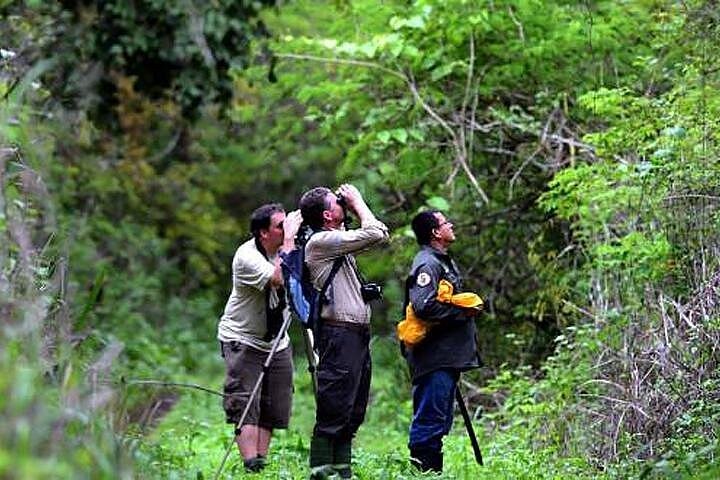
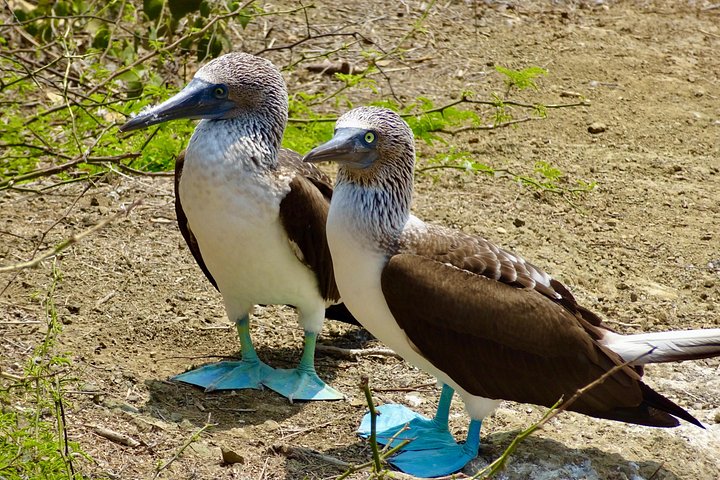
Humpback whales visit Ecuador's coast roughly between June and September, and they can be seen from boats near Puerto López and sometimes on the way to Isla de la Plata. Seabirds nest on the island in different months, and waved albatrosses are present for part of the year. Birdwatching in dry forest is easier in the dry months when trees lose their leaves, while the wet season brings fresh growth and breeding activity.
Beach weather
If your priority is warm sea and sun, aim for the wet-season months from December to April, when the ocean is warmest and surf is stronger at Montañita. Expect crowds on weekends and holidays, and book accommodation early. If you prefer fewer people and cooler days, the dry months are calmer, and midweek visits are quiet all year.
Highlands and Cuenca
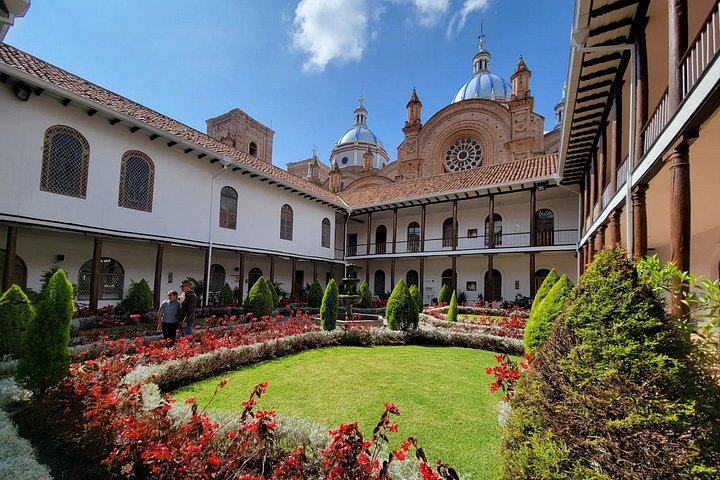
The Andean climate follows its own pattern, with rain and cool mist common in many months. Cajas National Park can be cold and wet at any time, so layers are essential. The drier months from June to September are often the best for hiking, though mornings can still be foggy.
Annual celebrations
Guayaquil celebrates the anniversary of its founding in late July and its independence on the ninth of October, and these periods bring parades, concerts, street events and a festive atmosphere. Carnival in February or March is celebrated with water play and parties, particularly on the coast. The Day of the Dead in early November fills the cemeteries with families, and the Christmas season brings lights and markets. These events are a pleasure to witness but increase demand for hotels, so book ahead and expect crowds.
Galapagos connections
Flights to the islands operate year round, and the best time to visit the islands depends on wildlife and sea conditions. Many travelers combine them with a stay in Guayaquil, so check the season for both. The city itself is a good place to rest and prepare.
Packing by season
For the wet months, pack lightweight, quick-drying clothes, a rain jacket, insect repellent and sandals that can get wet. For the dry months, pack a light sweater for evenings and for air-conditioned spaces, and a warmer jacket if you plan to visit Cuenca or the mountains. Year round, bring sunscreen, a hat and a refillable water bottle.
Planning the weather
Check a forecast a few days before any boat or hiking outing, because operators may move a trip to a better day, and keep one flexible day in your schedule when the weather matters. Rain usually arrives in short bursts rather than all-day downpours, so a delay of an hour or two often solves the problem.
Our suggestion
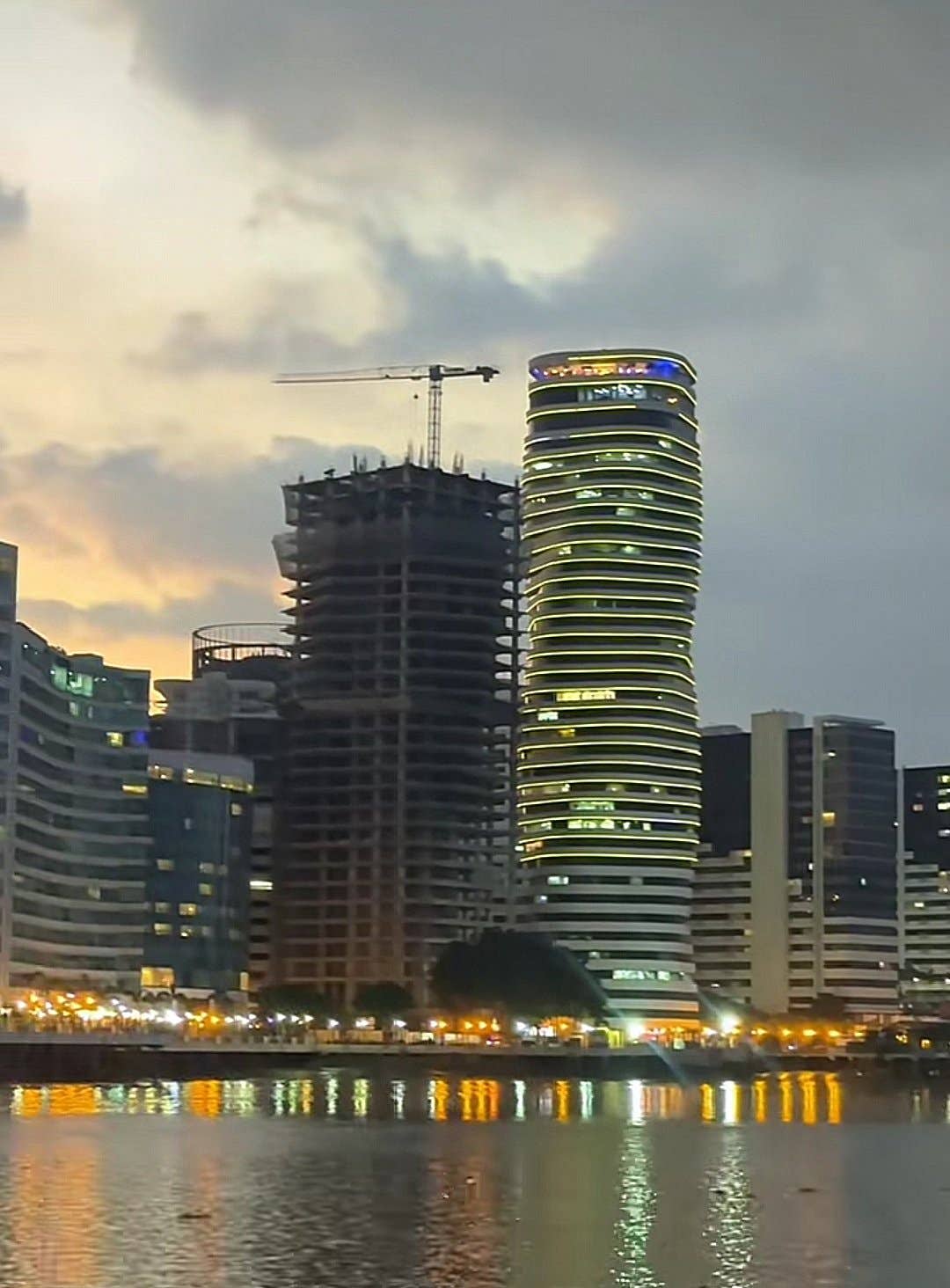
If you can choose, June to September is a sweet spot: comfortable weather in the city, whales on the coast and easy walking trails. If you want the warmest beach days, go in the early months of the year and accept the afternoon showers. Whenever you go, start your sightseeing early, rest in the heat of the day and enjoy the evenings by the river.