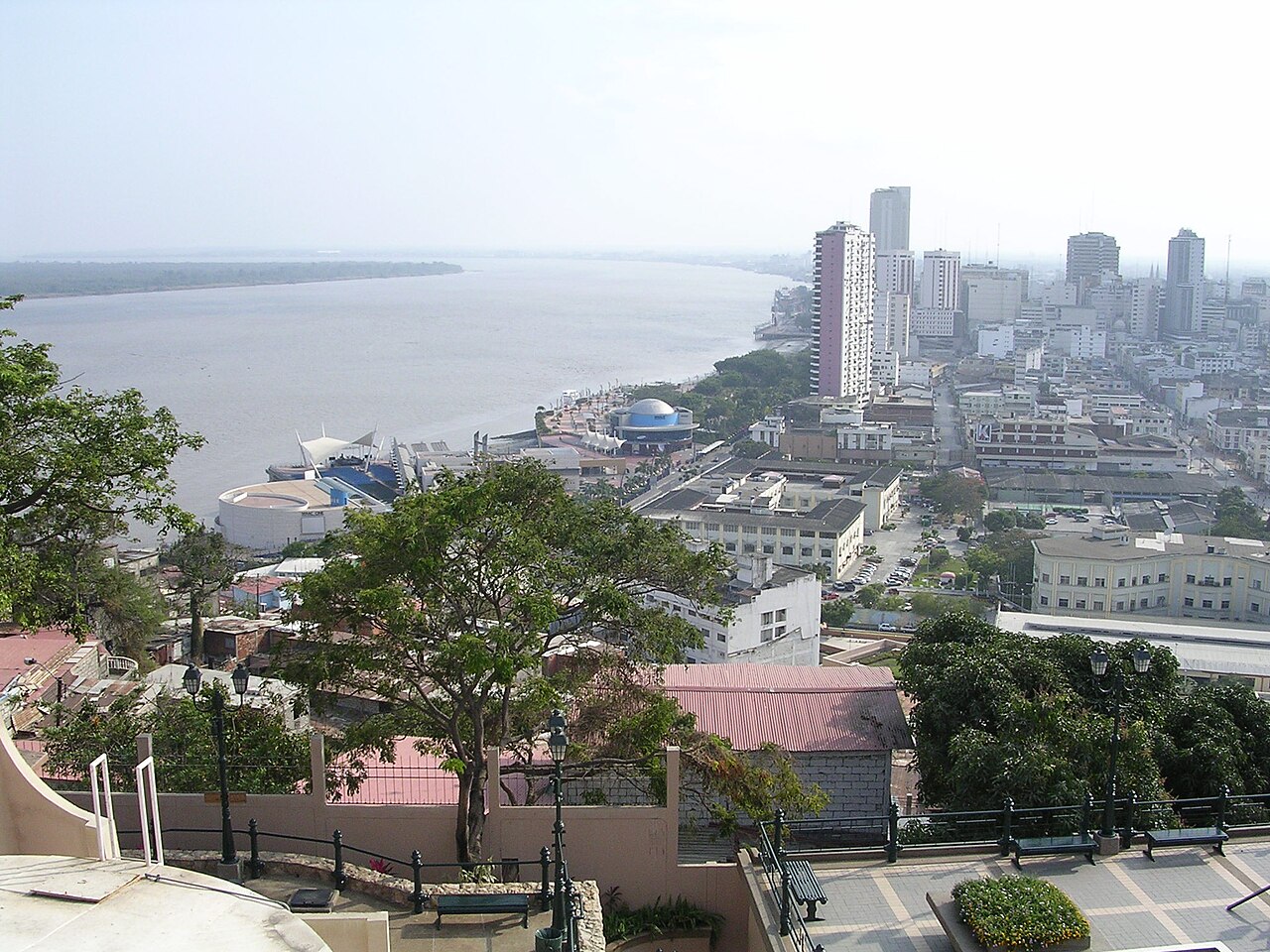
Guayaquil is Ecuador's largest city and its main port, a hot, humid, fast-moving place on the Guayas River that many travelers pass through on the way to the Galapagos. That is a pity, because the city rewards a stay of two or three days with a rebuilt riverfront, a colorful hill neighborhood, a park full of iguanas and some of the best seafood in the country. This guide covers the basics so you can arrive with a plan.
Understand the layout
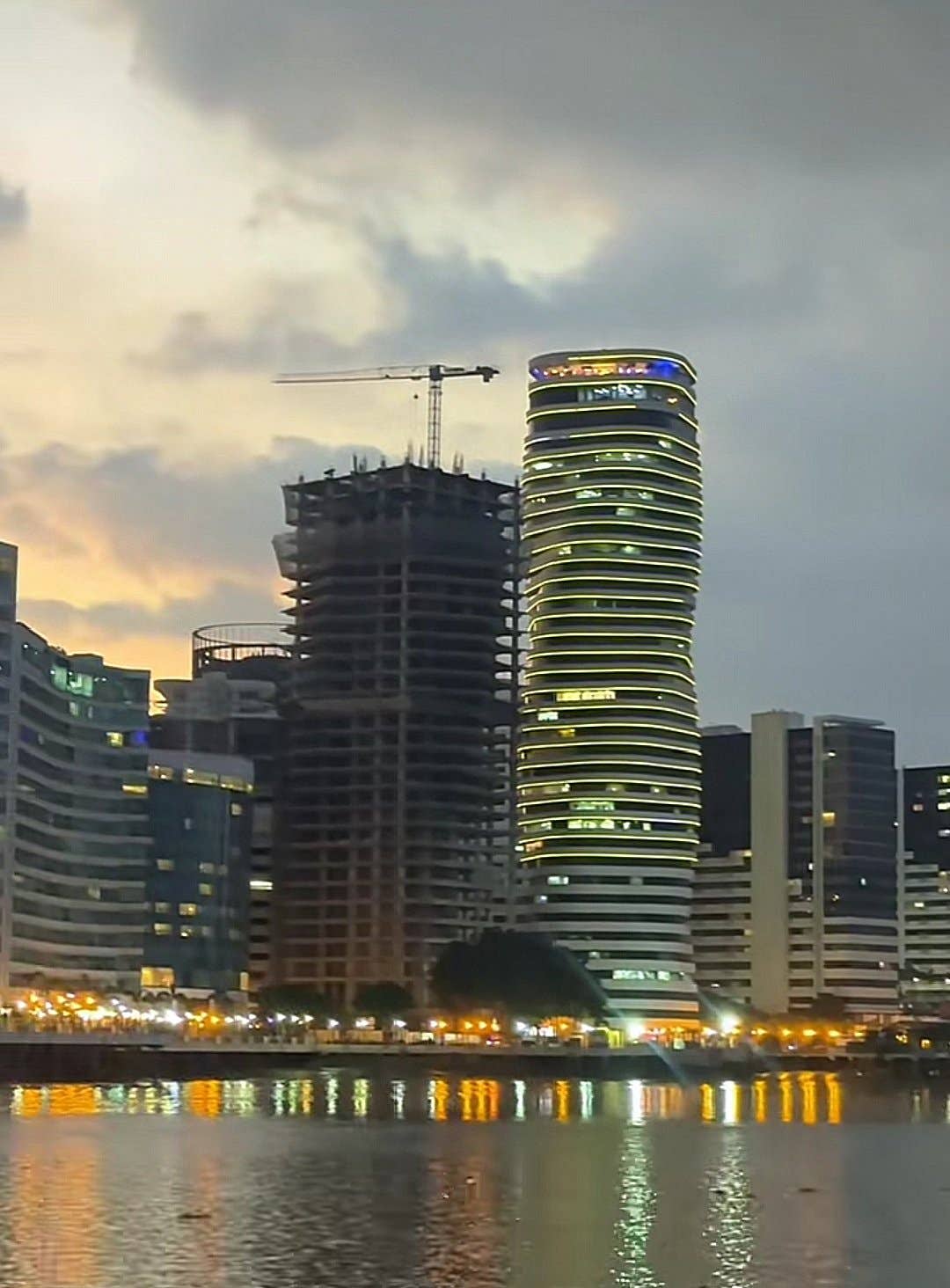
The city sits on the western bank of the Guayas River. Downtown, the Malecón 2000 promenade and the old quarter of Las Peñas are the historic and tourist heart, with Avenida 9 de Octubre running inland as the main boulevard. The airport and the northern business and shopping districts lie several kilometers north, and across the river lie Durán and the Samborondón corridor, where the Historical Park is found. Most first-time visitors can cover the headline sights in a compact zone between the Malecón, Parque Seminario and Cerro Santa Ana.
Money and language
Ecuador uses the US dollar, so there is no exchange to worry about, although small bills are valuable for taxis, markets and tips, and large notes can be hard to break. Spanish is the main language; English is spoken in larger hotels and by tour guides but not widely on the street, so a few phrases and a translation app help. Cards are accepted in hotels and many restaurants, while small shops and street food are cash only.
Getting around
Taxis and ride-hailing cars are the easiest way to move between districts, and they are inexpensive by international standards. Agree on the fare or make sure the meter is used before you start, and ask your hotel to call a trusted driver for late trips. The city also has a bus rapid transit system, which is cheap but can be crowded and hard to read for newcomers. For day trips to farms, reserves and the coast, organized tours with hotel pickup are the least stressful option.
Start with the essentials
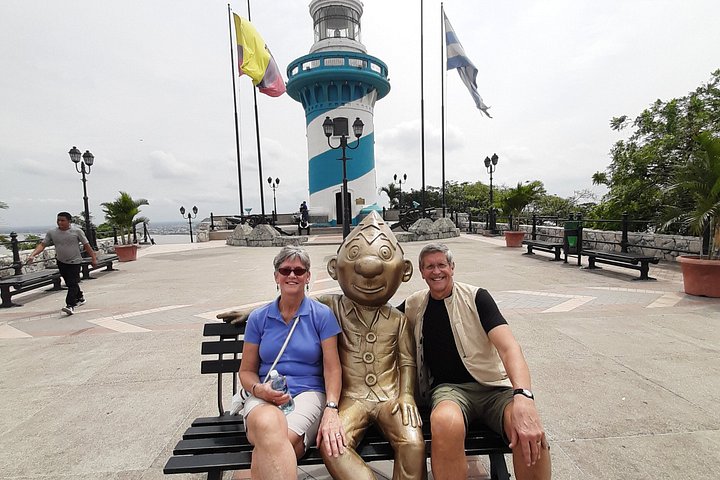
For a first morning, walk the Malecón early while it is cool, then continue to the foot of Las Peñas and climb the 444 steps of Cerro Santa Ana for the view. After a rest, visit Parque Seminario to see the iguanas and the Cathedral. If you prefer a guided approach, a half-day city tour that includes the lighthouse covers the main sights with explanations and transport. In the evening, return to the riverfront for dinner when it is lit and lively.
Add one nature or food experience
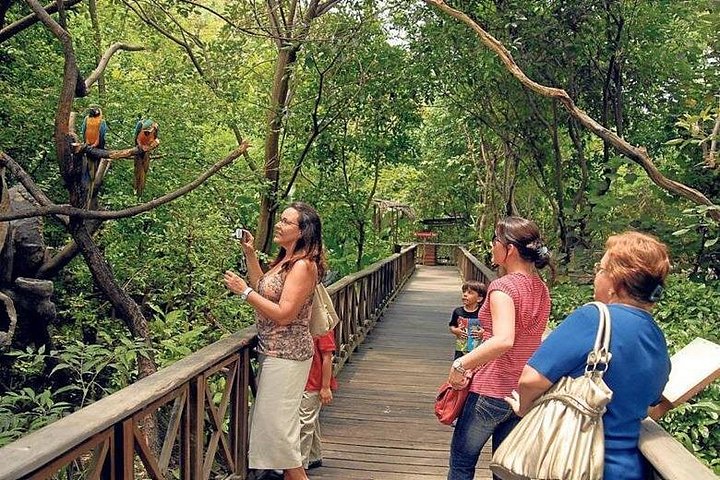
Guayaquil sits within easy reach of cacao farms, mangroves and dry forest, and an outing of this kind gives your trip depth. Choose a cacao farm if you love food, a mangrove or birdwatching trip if you prefer wildlife, or the Historical Park if you travel with children. A museum visit is a good choice for the hottest hours.
Dress and prepare for the climate
Expect heat and humidity for much of the year. Wear light, breathable clothes, a hat and sunscreen, carry water, and plan outdoor activities for the morning and late afternoon. A light rain jacket is useful in the wetter months, and a thin layer helps in air-conditioned rooms and buses. Closed shoes with grip are best for the stairs of Cerro Santa Ana and for rural excursions.
Travel sense
As in any large city, use ordinary precautions: keep phones and cameras secure, carry only what you need, avoid displaying valuables and take taxis rather than walking at night. Check your government's current travel advice before you go and ask your hotel for local guidance on the day. Local tour guides and hotel staff are reliable sources of practical suggestions about where to go and when.
Respect local customs
Greet people with a friendly buenos días or buenas tardes, dress modestly when entering churches and cemeteries, and ask before photographing people. Do not feed or touch the iguanas in Parque Seminario, and take your rubbish with you in nature reserves. Tipping is appreciated in restaurants and for guides; some restaurants add a service charge, so check the bill.
Plan around the Galapagos if you are going
Flights to the islands leave from Guayaquil as well as Quito, and travelers often stay a night before or after. Treat the city as a destination in its own right rather than a stopover: with two days you can see the main sights and enjoy a long dinner, and with three you can fit in a day trip. Book flights and tours ahead for busy periods, and keep your documents handy.
A simple first-day plan
Wake early, have breakfast, walk the Malecón, climb Cerro Santa Ana, lunch in Puerto Santa Ana, rest at the hotel in the afternoon, then visit Parque Seminario around sunset and finish with dinner at the riverfront. The next day, choose a day trip or a guided museum and food experience. With this rhythm you will see the city's best sides and avoid the midday heat, and you will leave with a clear sense of why the locals are proud of their port.