There is no single best month for Hakone and Mount Fuji, because the area changes character with each season, and what you want from the trip decides when to go. The key trade-offs are visibility of the mountain, scenery, crowds and temperature. This guide goes through the year and gives practical advice for planning around cloud, colour and services.\n\nThe Fuji visibility rule. Fuji is visible far more often in the cold months. From late autumn through winter and into early spring, the air is drier and clearer, and mornings often bring a sharp view of the snow-capped cone. In summer, humidity and cloud hide the mountain much of the time, especially by afternoon. Whatever season you choose, aim for early mornings and keep a spare night in your plan, because even in winter a cloudy day can ruin a viewpoint stop.\n\nSpring: blossom and fresh green. Cherry blossoms usually peak in early to mid April around Chureito Pagoda, Lake Kawaguchiko and Odawara Castle, and the combination of pink petals and a white-capped Fuji is one of the great Japanese images. It is also one of the busiest times, so book hotels and tours months ahead, expect crowds at the pagoda and start early. Late April and May are greener and calmer, with fresh leaves and mild weather that suit hiking, including Mount Kintoki and the Old Tokaido Road.\n\nSummer: hydrangeas, lakes and climbing. Early summer brings hydrangeas to the Hakone Tozan railway, which is lovely and slightly wet, since this is the rainy season. High summer is hot and humid in the lowlands, though the highlands, Lake Yamanaka and Lake Kawaguchiko are cooler than Tokyo, and flower parks, lavender and water activities become attractions in their own right. The Mount Fuji climbing season runs roughly from early July to early September, with huts open and trails cleared, and it is the only time the summit is accessible to ordinary hikers. Expect cloud, thunderstorms at times and crowds in school holidays.\n\nAutumn: colour and clear skies. Autumn is many people's favourite season. Pampas grass fields in Sengokuhara glow in early autumn, and the maples around the lakes and Hakone turn red in November, with the colours reaching Chureito and Kawaguchiko at their peak in the middle to late part of that month. Skies gradually clear, so Fuji views improve as the weeks pass. Weekends in foliage season are very busy, and hotels and ryokans fill quickly, so reserve early and consider weekdays. The ropeway and cruise run normal hours, but check daily notices.\n\nWinter: crisp views and quiet. Winter offers the clearest Fuji views, fewer crowds and the best value for hotels outside the New Year holidays. Hot springs feel at their best in the cold, and steam rising from outdoor baths with a snowy mountain behind is memorable. Practicalities change: the ropeway closes slightly earlier in December and January, some mountain roads including the Fifth Station road are closed by snow and ice, and trails and steps such as those at Chureito can be icy. Dress warmly and wear shoes with grip.\n\nCrowds, holidays and services. Japanese holiday periods, particularly Golden Week in late April and early May, the summer Obon break and the New Year holiday, bring heavy domestic travel, with full trains, queues at ropeways and high hotel prices. Weekdays are quieter in every season. Ropeways can suspend for wind, weather, volcanic gas precautions or annual maintenance, usually in quieter months, so look at the operators' notices before you travel and keep an alternative plan, such as an onsen visit, a museum or the castle in Odawara.\n\nPlanning around the weather. Mountain weather changes fast, and a clear dawn can turn to cloud within a couple of hours, so check forecasts for both Hakone and the Fuji lakes the evening before and the morning of each outing. Typhoon season runs from late summer into early autumn, and heavy rain can interrupt trains, buses and ropeways, so keep a flexible plan and travel insurance in mind. Spring can bring sudden cold snaps, and the rainy season in June is damp but green and quiet.\n\nChoosing your month. For Fuji views and fewer people, choose late November to February, apart from the New Year week. For blossom, aim for early April and accept the crowds. For foliage, target mid to late November. For a summit climb, go in July or August and book huts early. For lazy lakeside days and hot springs with a cool breeze, try late spring or early autumn. Whatever you pick, build in an extra night, travel on weekdays where you can, and check live status for transport the morning you go.
Hakone & Mount Fuji guide
Best Time to Visit Hakone and Mount Fuji
Season by season: when Fuji is clearest, when the blossoms, hydrangeas and maples peak, when the climbing season runs and how crowds and ropeway closures shape your choice.
Mentioned in this guide
Chureito Pagoda and Arakurayama Sengen Park
The five-storied red pagoda with Mount Fuji rising behind it, a climb of several hundred steps above Fujiyoshida. In April the cherry blossoms frame it; in November the maples do the same.
Climbing Mount Fuji
The summit of Japan's highest mountain at 3,776 metres, climbed overnight by tens of thousands each summer for the sunrise. A demanding but achievable challenge in a short, strictly seasonal window.
DoOwakudani and the Hakone Ropeway
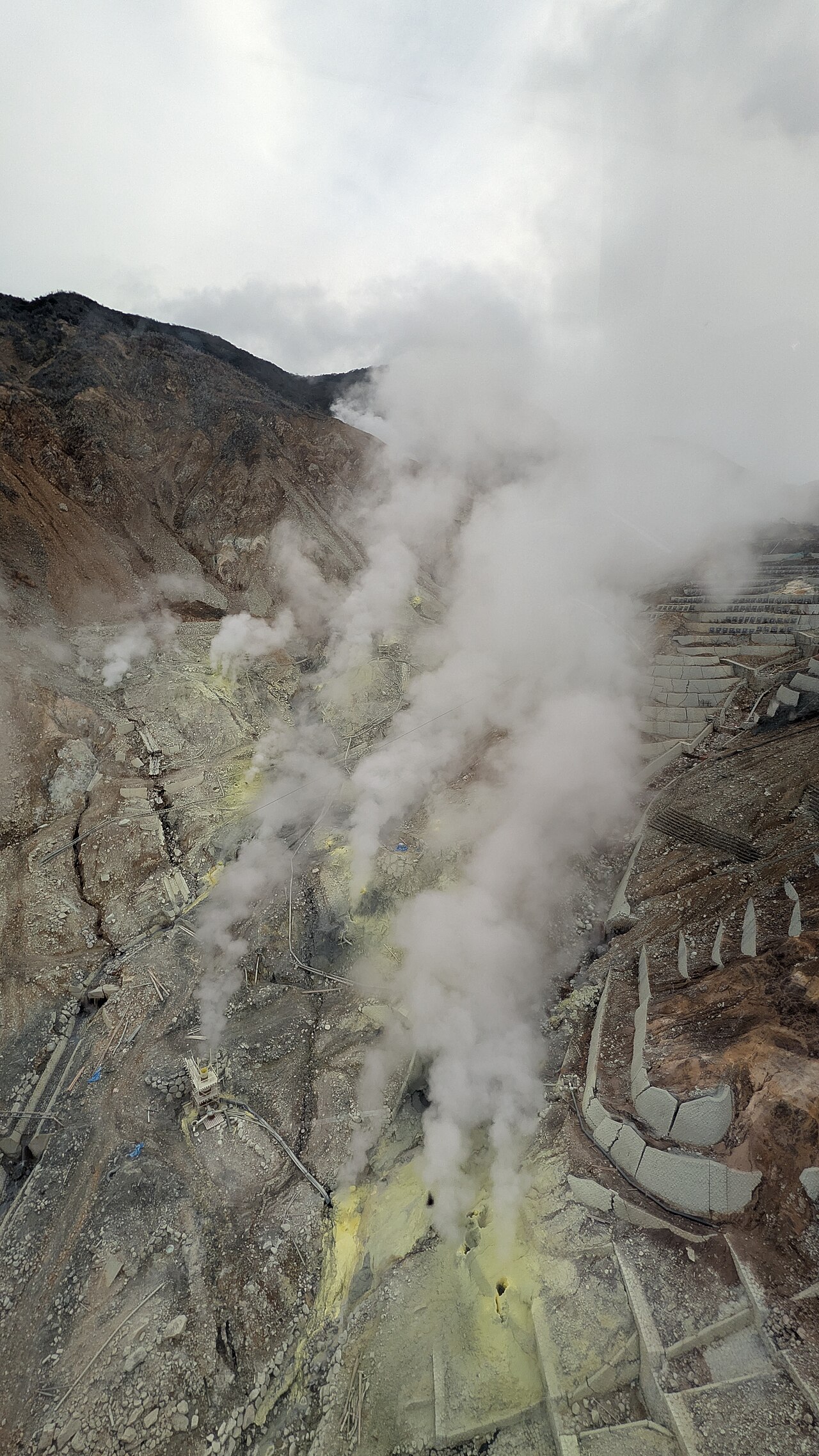
Hakone's steaming volcanic valley, reached by a gondola that floats over sulphur vents. Taste a black egg boiled in the hot springs, then ride on to Lake Ashi with Fuji peeking over the ridges.
Lake Yamanaka and Yamanakako Onsen
The largest and highest of the Fuji Five Lakes, with open shores, flower gardens and hot spring baths facing Mount Fuji. Calmer than Kawaguchiko and good for a lakeside afternoon.
Odawara Castle
A reconstructed samurai castle beside Odawara Station, the gateway to Hakone. A compact history stop with a keep museum, a view from the top and moats and gates you can walk around for free.
Kozantei Ubuya
An onsen ryokan at Lake Kawaguchiko with the Fuji lakeside as its backdrop. A relaxing, mid-to-upper-range stay for hot spring baths and early-morning mountain views.
The Fujiya Hotel
A grand, historic resort hotel in Miyanoshita whose oldest building dates to 1891, with a mix of Meiji, Taisho and Showa-era wings. The classic Hakone stay for architecture lovers, with hot spring baths and mountain scenery.
Fuji View Hotel
A long-established lakeside resort hotel at Kawaguchiko with Mount Fuji views, hot spring baths and a garden setting. A classic, good-value choice for a first night at the Fuji lakes.