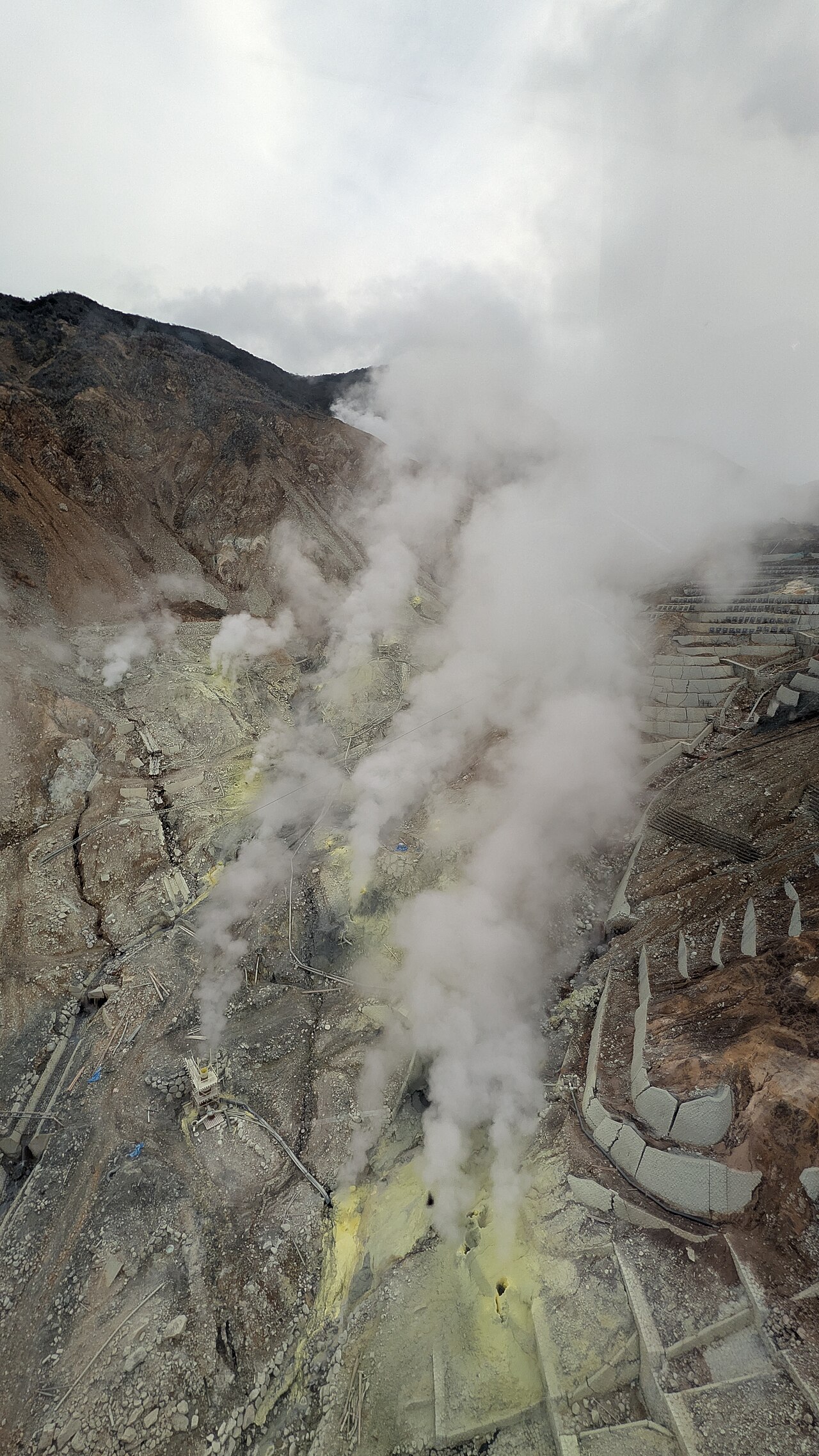
Food around Hakone and Mount Fuji is shaped by mountains, hot springs and old roads. Dishes are hearty, many are regional specialities you will not find in Tokyo, and the best meals often come with a view or a ritual. This guide walks through what to try and how to fit it around the sights, so that eating becomes part of the trip rather than a quick stop between ropeways.\n\nBlack eggs at Owakudani. The most famous snack in Hakone is the kuro-tamago, an egg boiled in the sulphurous hot water at Owakudani until the shell turns black. Inside, the egg is an ordinary hard-boiled egg, perhaps slightly sulphurous in flavour, and local tradition says that eating one adds years to your life. They are sold in small bags at the ropeway station, and the station restaurant gives you a place to sit down with a hot drink. Eat them fresh, peel carefully and expect a faint smell.\n\nRyokan kaiseki. If you stay at a ryokan, dinner is the main event. Kaiseki is a multi-course Japanese meal built around the season, with small dishes of sashimi, simmered vegetables, grilled fish, a hot pot or a local beef course, and rice and soup to finish. Breakfast is a quieter version with grilled fish, miso soup and pickles. At places like Gora Kadan, Fufu Hakone or Kozantei Ubuya, meals are fixed-time and need advance notice of dietary needs. Autumn menus often feature matsutake mushrooms, and winter menus lean toward hot pots and richer flavours. If you are travelling on a budget, many ryokans offer room-only rates, letting you eat in town.\n\nSoba, udon and hoto. Around Hakone-Yumoto and the lake, soba noodle shops serve buckwheat noodles in cold and hot forms, often with mountain vegetables and tempura. Across the Fuji Five Lakes, two Yamanashi specialities stand out. Hoto is a thick, flat noodle stewed in a miso broth with pumpkin and vegetables, a warming dish that suits cold days and is served at restaurants around Kawaguchiko. Fujiyoshida udon is known for its firm, chewy texture, usually served with a salty-sweet broth, cabbage and horse meat or fried tofu toppings. If you visit Chureito Pagoda or Fuji-Q Highland, Fujiyoshida is a natural place to try the udon.\n\nSeafood and fish paste in Odawara. Near Odawara, a fishing port town at the gateway to Hakone, you will find fresh seafood, dried fish and kamaboko, the steamed fish paste that the town is known for. Shops near the station and the castle sell samples, and a seafood lunch before you head up the mountain is a good way to start a trip. Odawara also offers a cluster of ramen shops and small bars for an evening on the way back.\n\nSnacks at Oshino Hakkai and Gotemba. Village lanes at Oshino Hakkai sell grilled river fish, rice dumplings, pickles and fresh fruit, usually eaten as you walk between the ponds. Fujinomiya, on the south-west side of Fuji, is known for its yakisoba, a chewy fried noodle dish, which appears on tours that visit Shiraito Falls. Gotemba Premium Outlets has a range of food courts and restaurants, and is a handy spot for a quick meal on the way between Hakone and the lakes.\n\nSweets, amazake and drinks. Hakone is famous for onsen manju, small steamed buns with sweet bean paste, and for traditional wagashi sold in the shops of Hakone-Yumoto. Tea houses along the Old Tokaido Road serve amazake, a sweet fermented rice drink, and rice cakes, and a stop there is a pleasant break on a walk. For adults, local sake and craft beer appear on many menus, and some tours include a tasting. Fruit-picking is a seasonal pastime around Kawaguchiko, with grapes and peaches in late summer.\n\nPractical tips. Lunch is the best time to try restaurants, because dinner options close early in the mountain towns and evening buses can be sparse. Carry cash for small shops and stalls, and learn how to say any allergies in Japanese or carry a translation card. Many restaurants fill up at midday on weekends, so eat slightly early or late. If you want a special meal, book it ahead, and if you have a ryokan dinner, plan the rest of your day so you arrive in good time. Finally, do not skip convenience-store breakfasts and snacks, which are excellent value and handy before early starts.
Hakone & Mount Fuji guide
Eating and Drinking in Hakone and Mount Fuji
Black eggs, hoto stew, Fujiyoshida udon, ryokan kaiseki, spring-water snacks and sweet amazake: what to eat around Hakone and the Fuji Five Lakes and where it fits in your day.
Mentioned in this guide
DoOwakudani and the Hakone Ropeway
Hakone's steaming volcanic valley, reached by a gondola that floats over sulphur vents. Taste a black egg boiled in the hot springs, then ride on to Lake Ashi with Fuji peeking over the ridges.
Oshino Hakkai
Eight crystal-clear spring ponds in a quiet village at the foot of Mount Fuji, fed by snowmelt that has filtered through the mountain for decades. Thatched farmhouses, koi and a Fuji backdrop make it an easy, photogenic stop.
Odawara Castle
A reconstructed samurai castle beside Odawara Station, the gateway to Hakone. A compact history stop with a keep museum, a view from the top and moats and gates you can walk around for free.
Old Tokaido Road and the Cedar Avenue
A surviving stretch of the Edo-period highway between Edo and Kyoto, with a stone-paved path through the forest and a towering avenue of old cedars beside Lake Ashi. History you can walk on, with a traditional tea house on the way.
Shiraito Falls
A curtain of white threads of water spilling from a mossy cliff at the foot of Mount Fuji, fed by the mountain's own springs. A cool, misty waterfall walk with a nearby shrine and local noodles.
Gora Kadan
A former imperial summer villa turned Hakone's most celebrated ryokan: kaiseki dinners, rooms with their own open-air baths and a quiet Gora setting close to the mountain railway. The splurge for a once-in-a-trip onsen night.
Fufu Hakone
A refined, adults-focused onsen retreat among the Hakone hills, known for private hot spring baths and a quiet, design-led take on the ryokan. A romantic splurge for couples who want privacy.
Kozantei Ubuya
An onsen ryokan at Lake Kawaguchiko with the Fuji lakeside as its backdrop. A relaxing, mid-to-upper-range stay for hot spring baths and early-morning mountain views.