Halifax is a city for all seasons, but the season changes the trip more than most. The harbour, the weather and the opening hours of many attractions all shift through the year, so the best time depends on what you want to do. Here is a season-by-season guide.
Summer, June to August
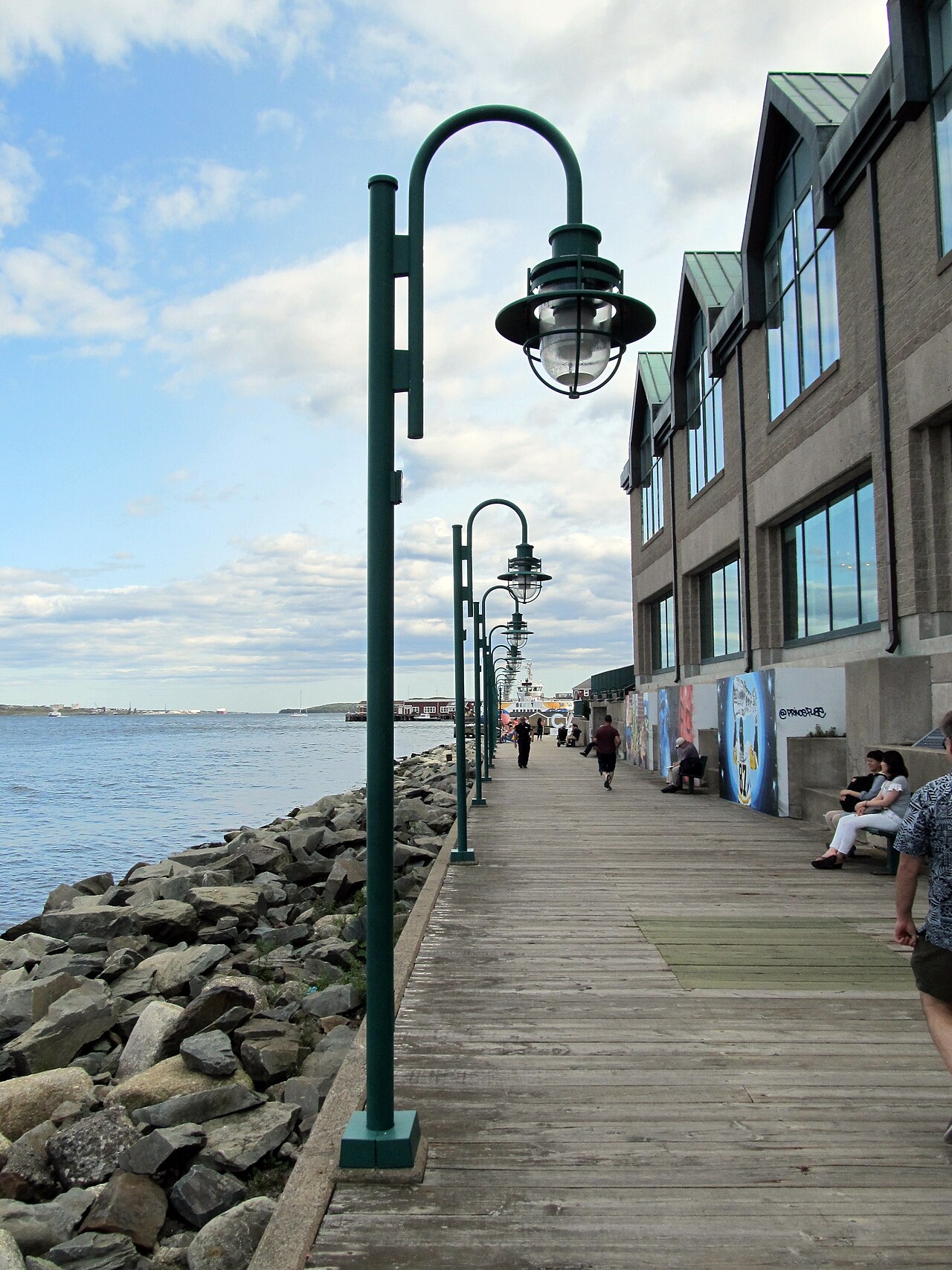
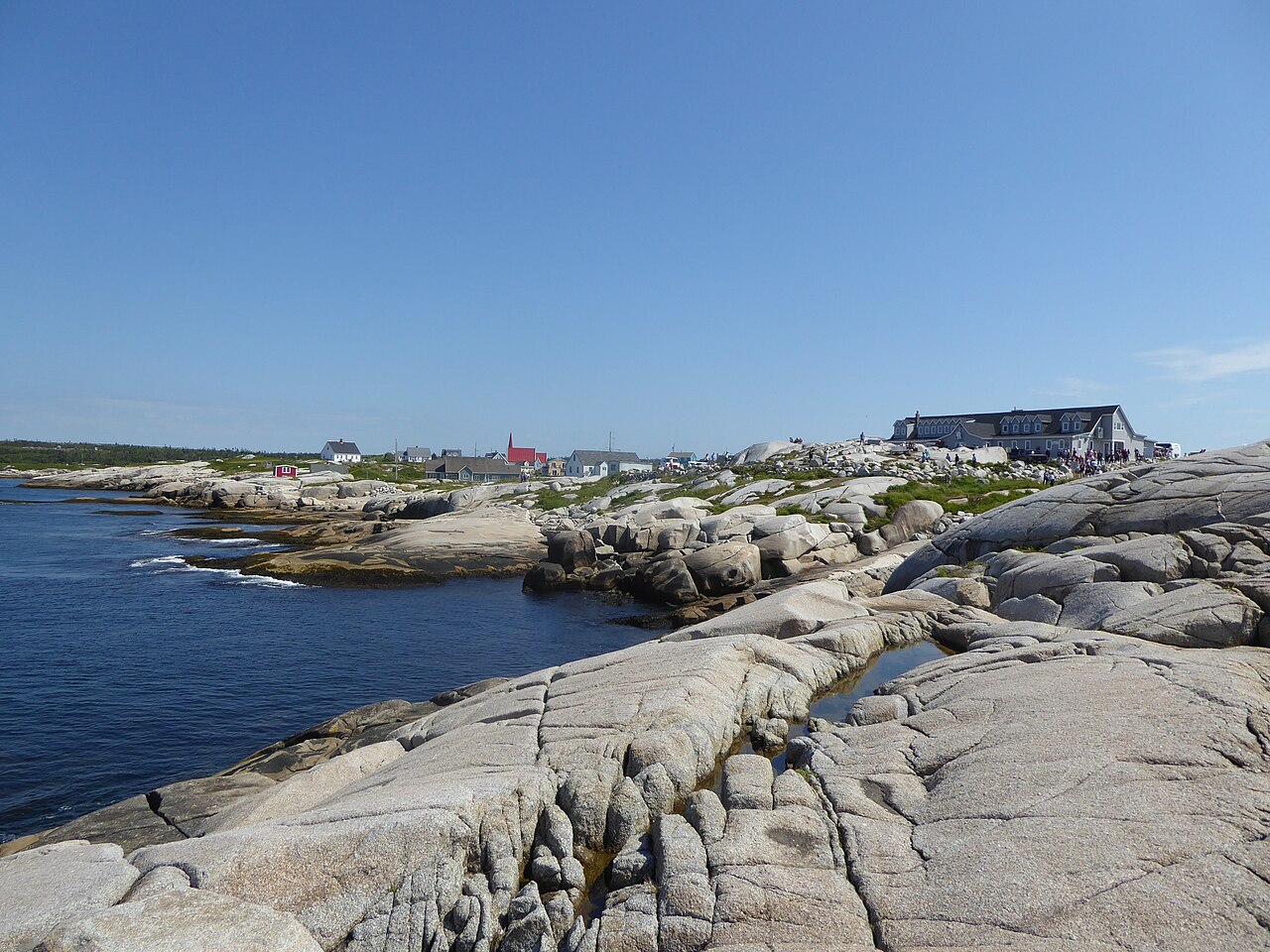
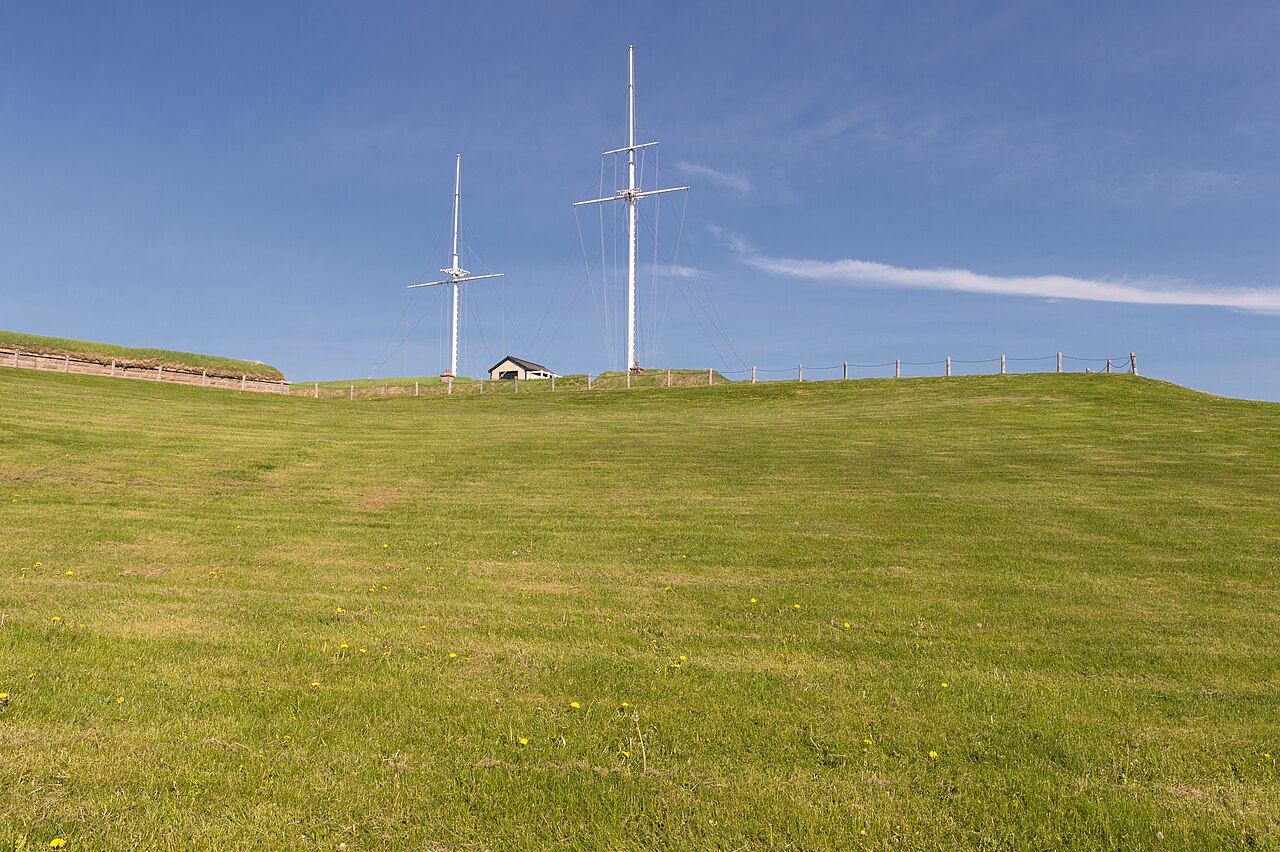
This is the easiest and busiest time. Days are long and mild, the full range of attractions is open, and the waterfront is lively with cruises, patios, street performers and festivals. Citadel Hill runs its costumed programme and interior tours, HMCS Sackville and the Harbour Hopper operate, harbour sailing trips run, the Public Gardens are in full bloom and the bandstand hosts concerts. Day trips to Peggy's Cove, Lunenburg and the Bay of Fundy are at their best, with the widest choice of tours and open restaurants. The trade-offs are higher hotel rates, bigger crowds at Peggy's Cove in the middle of the day and a need to book ahead. Fog is common on the coast, even in summer, so pack a light layer.
Autumn, September to November
Many locals consider early autumn the best time to visit. The crowds thin, the air is crisp, the trees turn colour in the Annapolis Valley and parks, and the sea is often calm. September and early October still have most attractions open, and the harvest brings apples, wine events and seafood festivals. By November the picture changes. Seasonal operators begin to close, the Citadel interior shuts for the winter, daylight shortens and the weather turns raw, with rain and the first snow possible. Hotel rates are lower, and the city is quiet and atmospheric, but plan more indoor time.
Winter, December to March
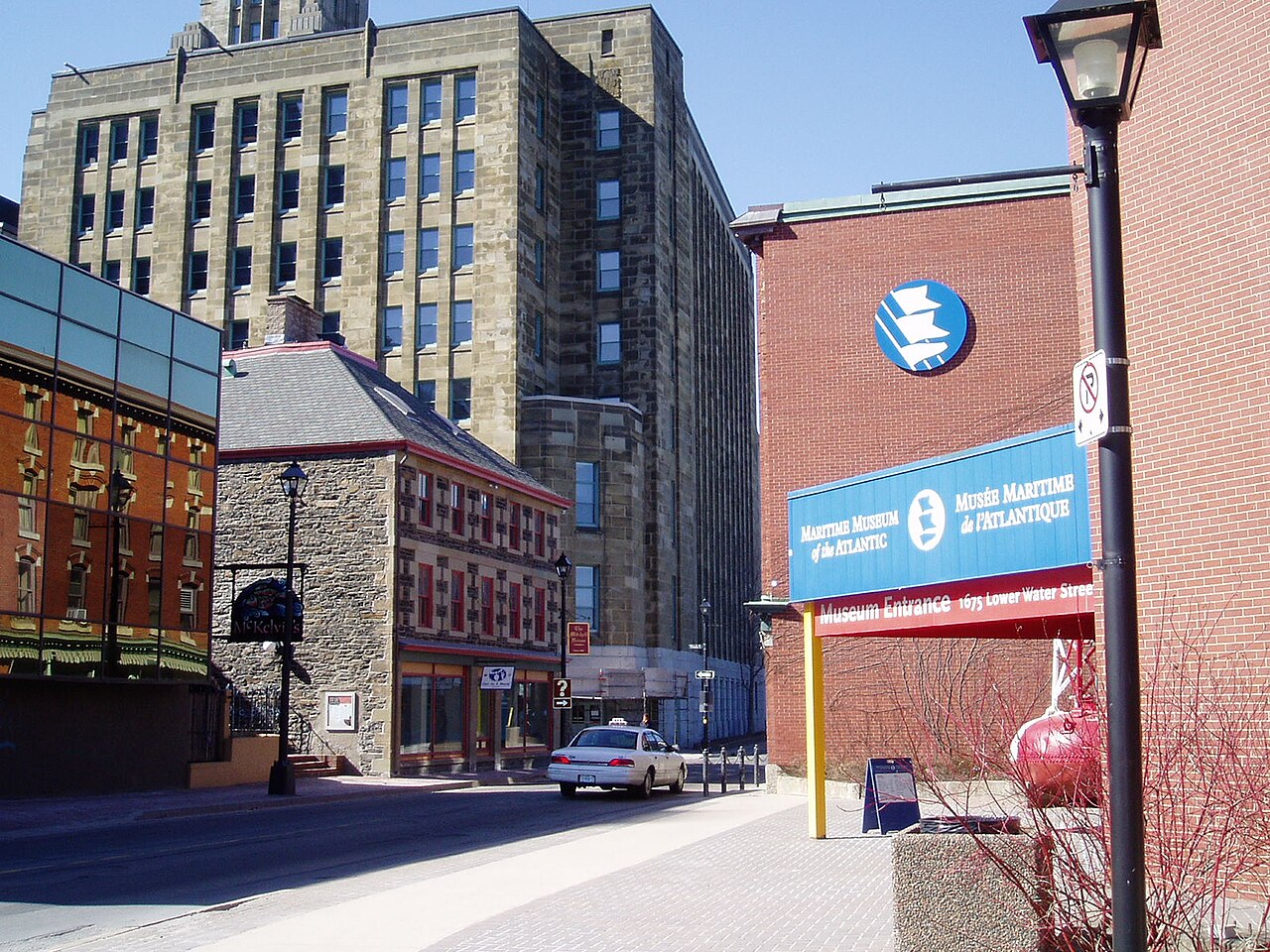
Winter is cold, windy and sometimes snowy, with short days and icy paths. It is a quiet season with lower hotel rates, a good time for museums such as the Maritime Museum and Pier 21, the covered pleasures of the Seaport Farmers Market and cosy pubs. Harbour cruises and most boat trips have stopped, the Citadel grounds are open but the interior is closed, and some South Shore sights and restaurants have reduced hours. Day trips run on fewer days, and the coast can be bleak and beautiful in snow, but the roads can be slick, so a guided tour is safer than driving. Wear warm layers, a windproof coat and shoes with grip, and check the forecast before you set out.
Spring, April to May
Spring arrives slowly in Nova Scotia, and cold, damp weather can linger into May. Many attractions reopen in May, the Citadel starts its main season in the spring, and the Public Gardens begin to bloom later in the month. Crowds are small and hotel rates are moderate, but fog is common and some seasonal sights open only toward the end of the season. It is a good time for travellers who prefer quiet and do not mind variable weather.
Weather in practice
Halifax's maritime climate means that conditions change quickly. Wind off the water makes the air feel colder than the thermometer says, fog can hide the lighthouse at Peggy's Cove and rain can appear on a sunny morning. Layers and a waterproof jacket serve you in every season. Sunrise and sunset times matter in winter, so plan outdoor sights for the middle of the day.
Choosing by interest
For festivals, boats and the full range of tours, go in summer. For colour, calm and good value, go in early autumn. For museums, markets and low prices, go in winter. For quiet and flowers, go in late spring.
Events and crowds
Festivals, concerts, sporting events and cruise-ship days fill hotels and restaurants quickly, especially in summer and early autumn. Check the city's event calendar when you choose dates, book accommodation early and expect higher prices on peak weekends. Cruise ships often arrive in the morning, so popular sights such as the Citadel, Pier 21 and Peggy's Cove are busiest between late morning and mid-afternoon, and a very early start or a late visit avoids the worst of the crowds.
Where to stay
In the cold months, an indoor pool is a real bonus, and the Westin Nova Scotian, the Prince George and the Atlantica all have one. In summer, a waterfront hotel such as Muir puts the boardwalk at your door.