Halifax is small enough that three days covers the highlights without rushing, and the geography helps. Almost everything sits on a strip between Citadel Hill and the harbour, and the great coastal day trip leaves from downtown in the morning. This plan keeps walking to a minimum, puts outdoor sights in the clearest hours and saves the museums for the weather you cannot control.
Day one: the hill, the old town and the waterfront
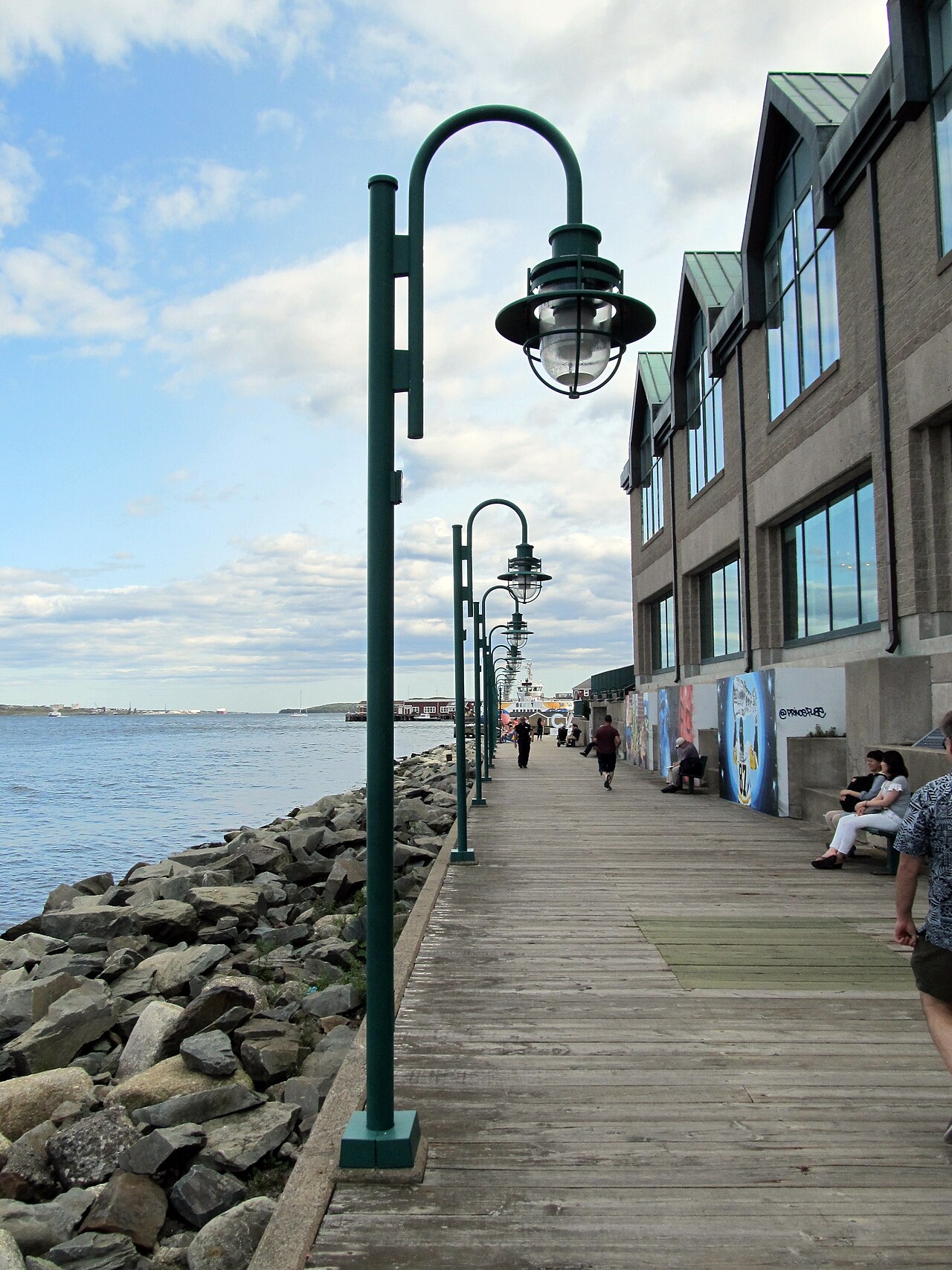
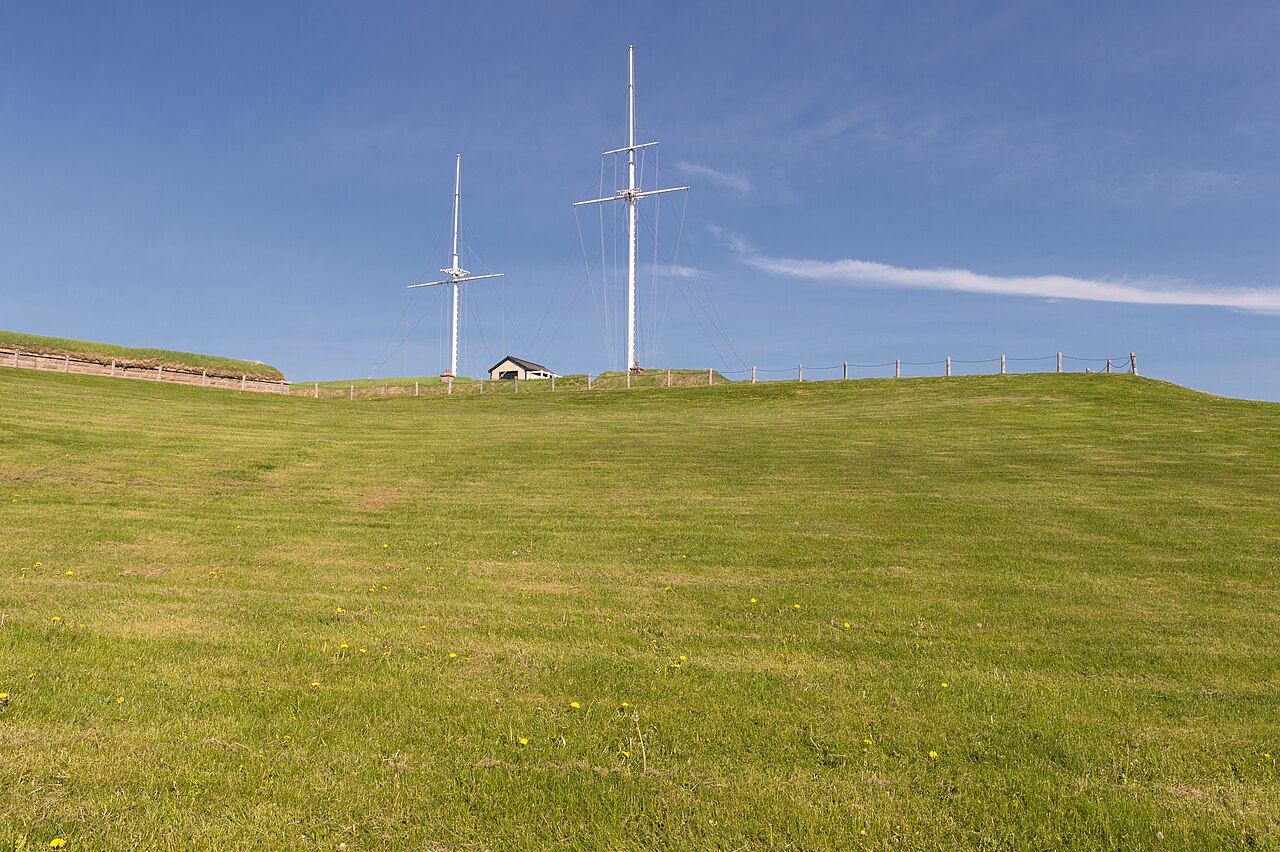
Start on Citadel Hill. The star-shaped fort is the best orientation in the city, with views over the harbour, the downtown towers and across to Dartmouth, and the Noon Gun fires daily at midday. In the main season you can tour the interior; in winter the grounds and Parade Square stay open and the visit takes about an hour. From the hill, walk down past the Old Town Clock to the Grand Parade, St. Paul's Church and the old burying ground, or join a guided walk through the historic core to get the stories behind the buildings. After lunch, drop down to the waterfront boardwalk and stroll north to Historic Properties, then back south along the water. If you have energy, end the day with a seafood dinner near the harbour.
Day two: museums and markets
Begin at the Maritime Museum of the Atlantic, where the Titanic and Halifax Explosion galleries explain why this city matters so much to Atlantic history. In summer, add a short tour of the corvette HMCS Sackville, moored a few steps away. Walk south along the boardwalk to the Seaport Farmers Market; on weekends it is the best place for lunch, with seafood, baking and local produce. Next door is the Canadian Museum of Immigration at Pier 21, the gateway through which a million immigrants entered Canada, and it deserves a good two hours. If you prefer green space to museums, swap the afternoon for the Public Gardens or Point Pleasant Park, where trails and old gun batteries sit at the southern tip of the peninsula.
Day three: the coast
Spend the third day outside the city. Peggy's Cove is the classic choice, a fishing village on bare granite with a lighthouse that is among the most photographed in Canada. The drive takes about an hour, and a half-day tour can pair the village with the Swissair memorial and the Titanic graves at Fairview Lawn on the way back. If you want a full day, a longer tour adds Mahone Bay, with its three waterfront churches, and Lunenburg, a UNESCO World Heritage Site of painted wooden buildings. Anyone with more interest in nature than in towns could choose the Bay of Fundy and Grand-Pré instead. Book the day trip early, as small-group tours fill and may run on limited days outside summer.
If you only have two days
Combine day one and the museums into a single day, then spend the second day on the coast. Skip the Public Gardens and Point Pleasant Park, and choose either the Maritime Museum or Pier 21 if time is tight. If you have only one day, do Citadel Hill, the boardwalk and one museum.
Getting around
Downtown is walkable, but Citadel Hill is steep and paths can be icy in winter, so wear shoes with grip. The Alderney ferry crosses the harbour to Dartmouth for a cheap, scenic ride. Taxis and rideshare services cover longer trips, such as Point Pleasant Park or the airport, which is about thirty-five kilometres away. A rental car is only needed if you want to explore the coast independently.
Where to stay
For the waterfront, Muir, the Westin Nova Scotian and the Halifax Marriott Harbourfront put you closest to the boardwalk. For a downtown base near the hill, the Prince George and the Hollis work well, and the Lord Nelson offers a historic setting beside the Public Gardens. Our where-to-stay guide compares them in more detail.
Weather planning
Halifax weather changes quickly, and fog and wind are common on the coast. Keep the museums for the wet or cold hours and the hill, the gardens and the lighthouse for clear ones. If your day trip morning is foggy, ask your operator whether the itinerary can be reshuffled, because the Titanic graves and the museums work in any weather.