Egg coffee, ca phe trung, is Hanoi’s signature drink, and it began here in the 1940s when a hotel bartender short of fresh milk whisked egg yolk with sugar and coffee instead. The result tastes less like a drink with an egg in it than like a warm tiramisu: a thick, pale golden foam floating on a small cup of strong, dark Vietnamese coffee. It is served in a cup standing in a bowl of hot water to keep it warm, and eaten as much as sipped. A class is the best way to learn how it is made, because the technique is simple but the details matter, and cafes rarely let you behind the counter. In a short, relaxed session you meet the ingredients, learn how Vietnamese coffee differs from the Italian style, and then make the drink yourself under the eye of an instructor. Most classes also show how to brew coffee with the small metal drip filter called a phin, and cover other local styles that you will meet around the Old Quarter, such as coconut coffee and the salt coffee that has become popular in recent years. It is an inexpensive, friendly activity, ideal for a short gap in the day, for a rainy afternoon or as a first taste of Hanoi’s cafe culture.
How it works
The class is run in English by a local cafe or workshop, with all ingredients and equipment provided. Check the start times, meeting point and class size when you get tickets, as they are set by the operator. Sessions are short, so they fit easily around a morning of sightseeing or before an evening tour.
What to expect
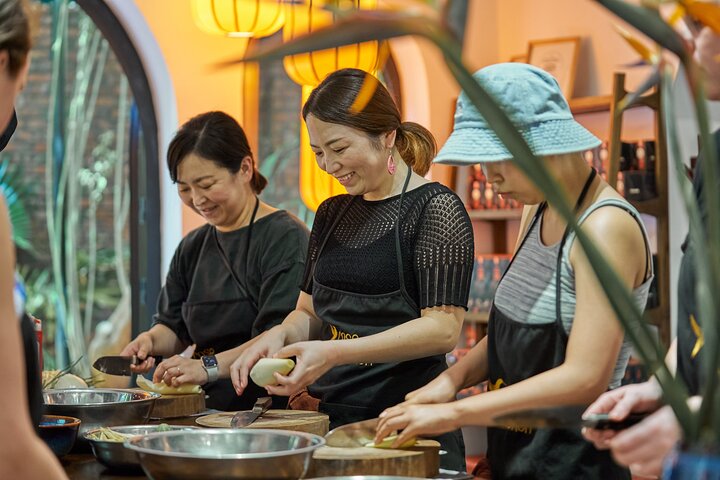
You usually begin with a talk on Vietnamese coffee, which is mostly robusta, grown in the central highlands and roasted dark, giving a strong, slightly chocolatey cup. Then comes the practical part. You separate the yolks, whisk them with sugar and sweetened condensed milk until the mixture turns thick and glossy, brew the coffee through a phin filter and assemble the drink, pouring the coffee first and spooning the cream over the top.
Many classes add a second recipe, such as coconut coffee or salt coffee, so that you can compare. You drink what you make, and the instructor will usually explain how to recreate it at home, including what to use if you cannot find Vietnamese coffee abroad.
Making the most of it
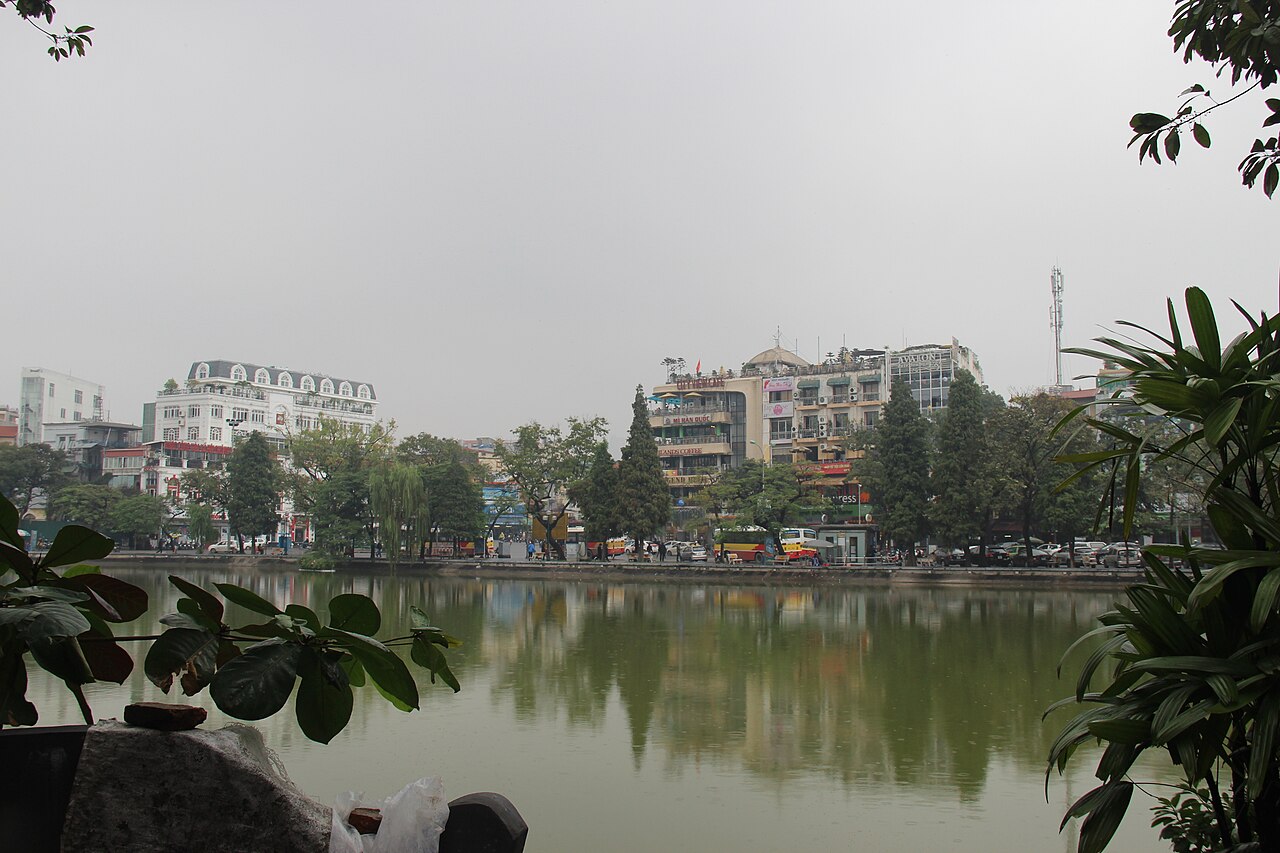
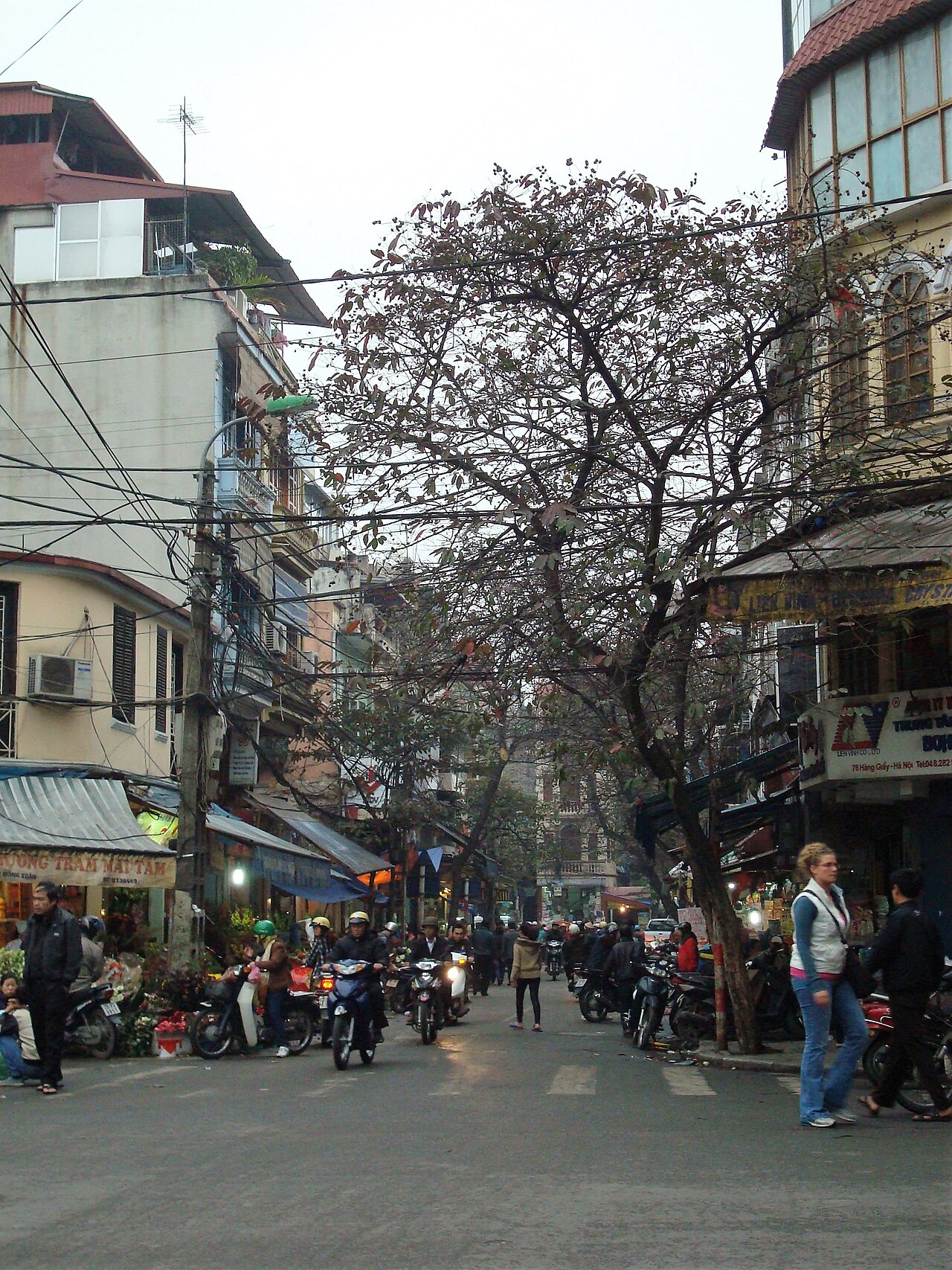
Tell the host in advance if you avoid raw egg, since the drink traditionally uses fresh yolk, or if you are sensitive to caffeine, because the coffee is strong and the cups are small but potent. Go in the morning or early afternoon so the caffeine does not keep you up. The class pairs naturally with a visit to Hoan Kiem Lake and a wander through the Old Quarter, where you can try the original versions of the drink in the cafes that made it famous and decide whose recipe you prefer.
Buy a phin filter and a bag of local beans at a nearby shop as a light, useful souvenir that will remind you of the city long after the trip is over.
Planning notes
If you want to compare, try a cup at two or three cafes after the class, and notice how the thickness of the cream and the strength of the coffee differ from place to place. The same technique works with cocoa or matcha instead of coffee for children and for anyone avoiding caffeine, so ask the instructor about alternatives. Check whether a vegetarian or egg-free version is offered, and take a photo of the steps for later.
What to expect
The experience
A short hands-on class where you whisk egg cream, brew coffee through a phin filter and assemble the drink yourself.
Best time
Morning or early afternoon, so the strong coffee does not affect your sleep. It also suits a rainy day.
How long
One to two hours, depending on the operator and the number of recipes.
Tips
Tell the host if you avoid raw egg or caffeine, and buy a phin filter afterwards to recreate the drink at home.
Quick picks
- Best for
- Coffee lovers and curious travellers who want a quick, hands-on taste of Hanoi.
- Families
- Older children enjoy whisking and tasting, but the coffee is strong, so younger ones may prefer a milky version.
- Couples
- A playful, low-key activity that fits in easily before a lakeside walk.
- Pair with
- Hoan Kiem Lake, the Old Quarter walk or the street food tour in the evening.
- Time needed
- Allow up to two hours including travel.
Good questions
Where does egg coffee come from?+
It was created in Hanoi in the 1940s, when a bartender short of fresh milk used whisked egg yolk instead. It remains the city’s best-known drink.
Does egg coffee taste like egg?+
Not really. The cream is sweet and custardy, closer to tiramisu, and sits on top of strong, dark coffee.
Is the egg raw in egg coffee?+
Traditionally the yolk is whisked with sugar and condensed milk and then warmed by the hot coffee. Tell the host if you want to avoid raw egg.
Do I need experience to join the class?+
No. The class is designed for beginners, and the instructor guides each step.
What else will I learn in the class?+
Most sessions cover how to brew with a phin filter and show other styles such as coconut or salt coffee.