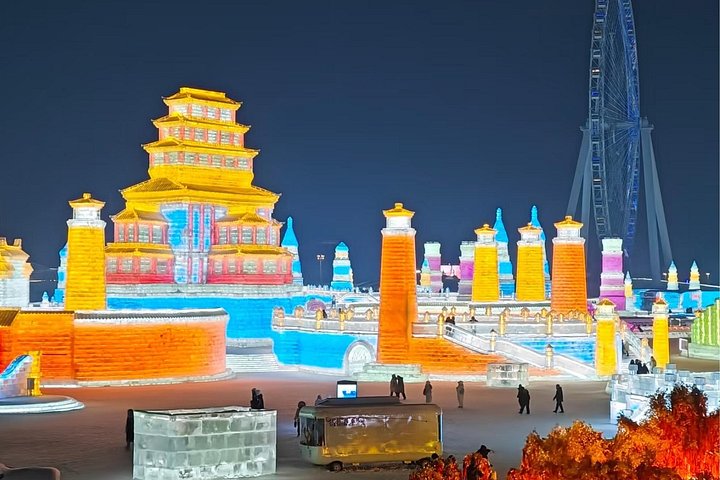
Harbin has four distinct seasons, and the best time to visit depends on what you want. Most travellers come for the ice and snow, which means winter, but the city is pleasant in summer and beautiful in early autumn. This guide describes what each season is like and what to pack.
Winter: the main event
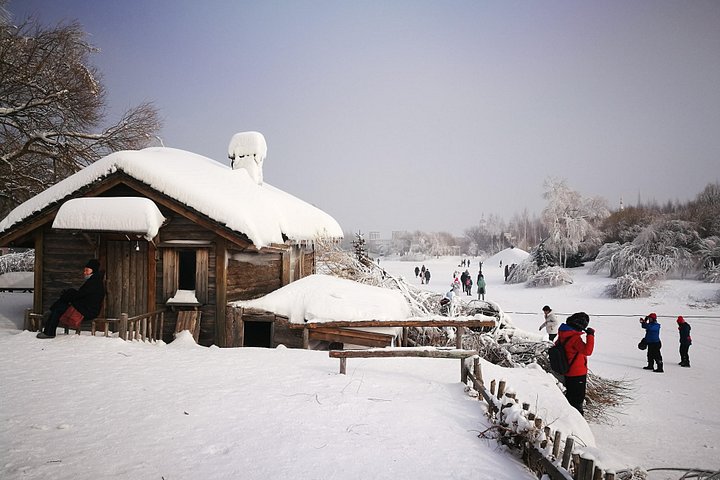
Winter in Harbin is long, dry and very cold, with temperatures that regularly fall far below freezing and with bright, clear days when the sun shines on the snow. The ice park, the snow sculptures, the lantern show and the frozen river activities all operate in the coldest part of the season, which typically runs from around the start of the year through the middle of winter. This is the busiest and most expensive time, so book early. If you can handle the cold, it is an unforgettable experience.
Dressing for winter
Layers, layers, layers. Thermal underwear, a warm mid-layer, a windproof and insulated coat, waterproof insulated boots with grip, thick socks, gloves with liners or mittens, a hat that covers the ears, a scarf or face covering and sunglasses are all essential. Pack hand and foot warmers and a power bank. Indoor spaces are warm, so layers you can remove are practical. If you arrive underdressed, you can buy or rent winter clothing locally.
Spring: short and changeable
Spring arrives late and quickly. The snow melts, the river ice breaks up and the city can be muddy and grey for a while before the trees come into leaf. It is not the prime time for sightseeing, but visitors who enjoy a quiet city and lower prices may find it pleasant, especially as flowers appear in the parks. Bring layers and waterproof footwear, and note that the winter attractions will have closed.
Summer: green and mild
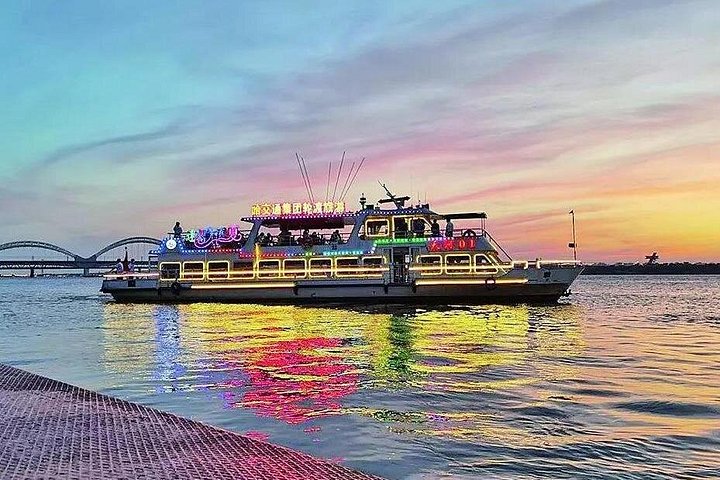
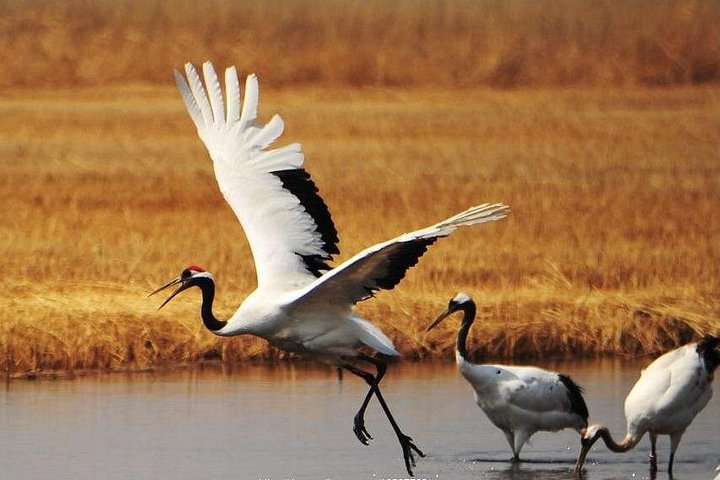
Summer is warm and sometimes humid, with long days and occasional thunderstorms. It is a relaxed time to visit the old town, the riverside and the island parks, with outdoor cafes, boat trips on the river and evening strolls along the embankment. Day trips to the Zhalong wetlands, the forest zoo and Volga Manor come into their own. Summer is also cooler than much of China, which makes it a popular escape from southern heat. Bring a light jacket for evenings and an umbrella.
Autumn: a brief golden window
Autumn is short but lovely, with crisp air, golden leaves and clear skies. Temperatures drop quickly, and by the end of the season the first snow may arrive. The temples and parks look particularly attractive, and crowds are thinner than in summer or winter. Bring layers and a warm coat.
Choosing your season
For the ice and snow spectacle, choose midwinter. For skiing and snow villages, choose midwinter and the weeks around it. For easy sightseeing, wildlife and river cruises, choose summer. For quiet and golden light, choose early autumn. If you are travelling with young children or older relatives, consider whether the extreme cold is practical, and plan shorter outdoor stretches with plenty of warm-up breaks.
Festival season logistics
Hotels, tours and flights fill quickly in the main winter season, and prices rise. Book as early as possible and check cancellation terms, since snow can disrupt travel. Public holidays are especially busy, so aim for weekdays when you can. Opening dates for the ice attractions depend on the weather, so confirm the schedule before you commit.
Practical notes
Whatever the season, carry your passport, keep your hotel address in Chinese and download offline maps and translation tools. Check current entry rules for your nationality, and consider travel insurance that covers weather delays and winter sports if you plan to ski. Allow flexibility in your plans, since weather can change quickly.
Month-by-month shortcuts
If you want a simple rule, think in blocks. Midwinter is for the ice park, sculptures, skiing and snow villages. Late spring and early summer are for green parks and quiet streets. Midsummer is for river boats, wetlands and long evenings, and early autumn is for temples, colour and comfortable walking. Shoulder periods between these blocks are less predictable, so check the forecast and the operating dates of any attraction you have your heart set on.
Crowds and prices
The winter festival season brings the biggest crowds and the highest prices for hotels, flights and tours, while summer is moderate and the other seasons are the cheapest. Public holidays push demand up in every season, so avoid them if you want a calmer trip. Booking ahead pays off at any time of year, and flexible cancellation terms are worth a small extra cost when the weather can change plans.