Harbin is the capital of Heilongjiang province, the largest city in China's far northeast and a place that feels different from almost everywhere else in the country. It began as a railway town at the end of the nineteenth century, built around the Chinese Eastern Railway by Russian engineers, and the mix of Russian, European and Chinese influences still shows in its domes, cobbled streets, bakeries and beer. It is also famous for its winters, which are long, dry and intensely cold, and for the ice and snow festival that turns the season into the main event of the year. This guide covers the basics a first-time visitor needs.
Understand the layout
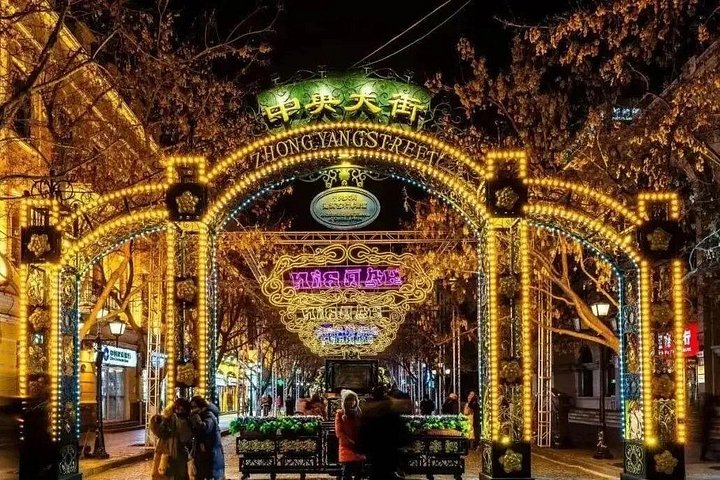
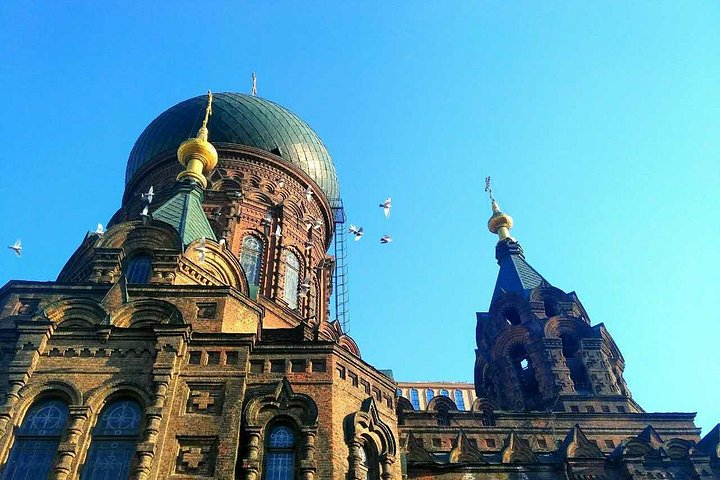
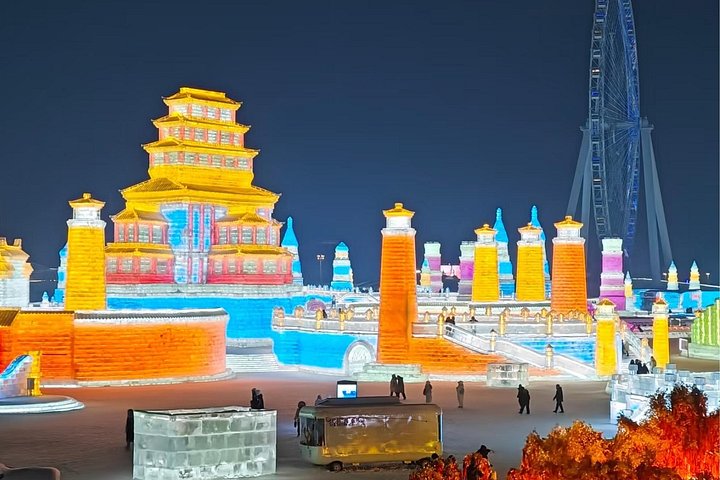
The city spreads along the south bank of the Songhua River, with the historic Daoli district at its heart. Zhongyang Street, Saint Sophia Cathedral and the riverside promenade lie close together here, and most of the Russian-era architecture is within a short taxi ride. Across the river lies the Songbei district, a newer, more spread-out area that holds the ice park and Sun Island. Other sights, such as the Unit 731 museum, Volga Manor and the Beifang Forest Zoo, sit on the outskirts and need a car. Planning your days by area rather than by list saves hours of travel.
What to see first
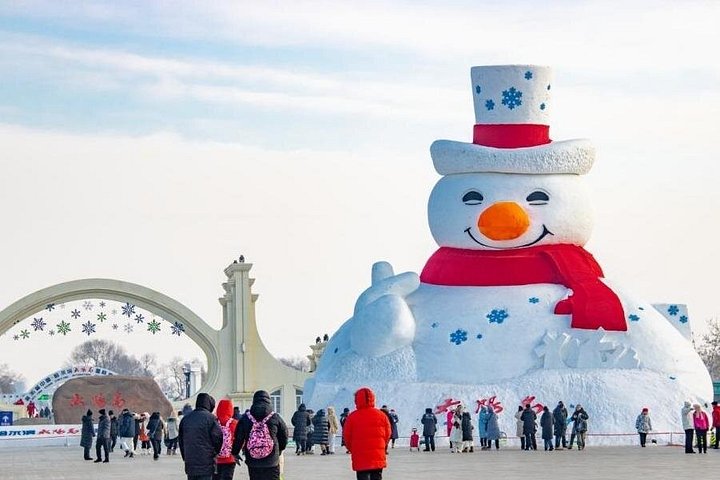
Start with the places that explain the city. Walk Zhongyang Street, visit Saint Sophia Cathedral and stroll the riverside to see the Russian-era core. Add the Confucian and Jile temples for a traditional Chinese counterpoint, and consider the Jewish heritage sites for a deeper layer of history. In winter, the ice park, the snow sculpture park and the frozen river are the headline experiences, and in summer the river cruise, the island parks and day trips to wetlands and forests take their place. If you have time for one serious historical visit, the Unit 731 museum is the most significant, though it is a sober experience.
Getting around
Taxis and ride-hailing apps are inexpensive and the easiest way to move between districts, and the city has a growing metro that serves some central areas. Drivers rarely speak English, so keep your destinations saved in Chinese on your phone, or use a translation app. Roads can be slow in heavy snow and at rush hour, so build in buffers, especially for evening trips to the ice park. For longer excursions to ski resorts, snow villages and wetlands, a private car with a driver or a small-group tour is far more practical than trying to use public transport.
Money, phones and apps
China is largely cashless, and mobile payment is the norm even at small stalls. Foreign cards can often be linked to the main payment apps, so try to set this up before you arrive, and carry some cash as a backup. Many Western websites and apps do not work reliably without a roaming plan or a VPN, so download maps, translation tools and your reservations in advance. Check current entry rules for your nationality well before you travel, and carry your passport for hotel check-in, museum visits and train stations.
Food and drink
Northeastern cuisine is hearty and warming, with dumplings, pot-stewed pork, pickled cabbage dishes, grilled skewers, hot pot, smoked sausages and Russian-influenced bread and pastries. Harbin lager is the local beer, and the city has a cafe culture that owes something to its Russian past. Eating is a big part of any visit, and our eating and drinking guide covers the essentials. Winter is the season for hot pot and for sweet frozen fruit on a stick, both of which are best enjoyed with cold cheeks.
Weather and timing
Harbin has a cold continental climate, with bitter winters, short springs and autumns and warm, sometimes humid summers. The ice and snow season is the draw for most visitors, but summer is pleasant and green, and the city is much less crowded. See our guide to the best time to visit for details, and our winter clothing advice below for the cold.
Dressing for the cold
If you visit in winter, dress in layers: thermal underwear, a fleece or wool middle layer and a windproof and insulated outer coat. Wear insulated boots with grip, thick socks, gloves with liners or mittens, a hat that covers the ears and a scarf or neck gaiter to protect the face. Hand and foot warmers are cheap and effective, and phone batteries die quickly in the cold, so keep devices inside your coat. Shops and hotels are well heated, so wear layers that you can remove indoors.
Language and etiquette
Mandarin is the language of the city, and English is limited outside international hotels and major tourist sites. A smile, a few words of greeting and a translation app go a long way. Queue patiently, keep your voice low in temples, ask before photographing people and show respect at memorial sites. At meals, share dishes, do not stick chopsticks upright in rice and accept offers of tea graciously. Tipping is not customary in most places.
Booking and planning
Festival season is busy, so reserve hotels, tours and popular restaurants early. Timed or seasonal attractions can change their hours and dates with the weather, so confirm details before you go. A good first trip balances the big winter spectacles with quieter culture, and leaves a little time for wandering and for warming up in a cafe or a hot pot restaurant.