Helsinki’s food scene is quietly confident. It is built on clean ingredients, rye, fish, berries and dairy, treated with a light hand, and the best way to enjoy it is to mix simple market food with one or two sit-down meals. Here is how to eat and drink well without a long research project.
Start at the market
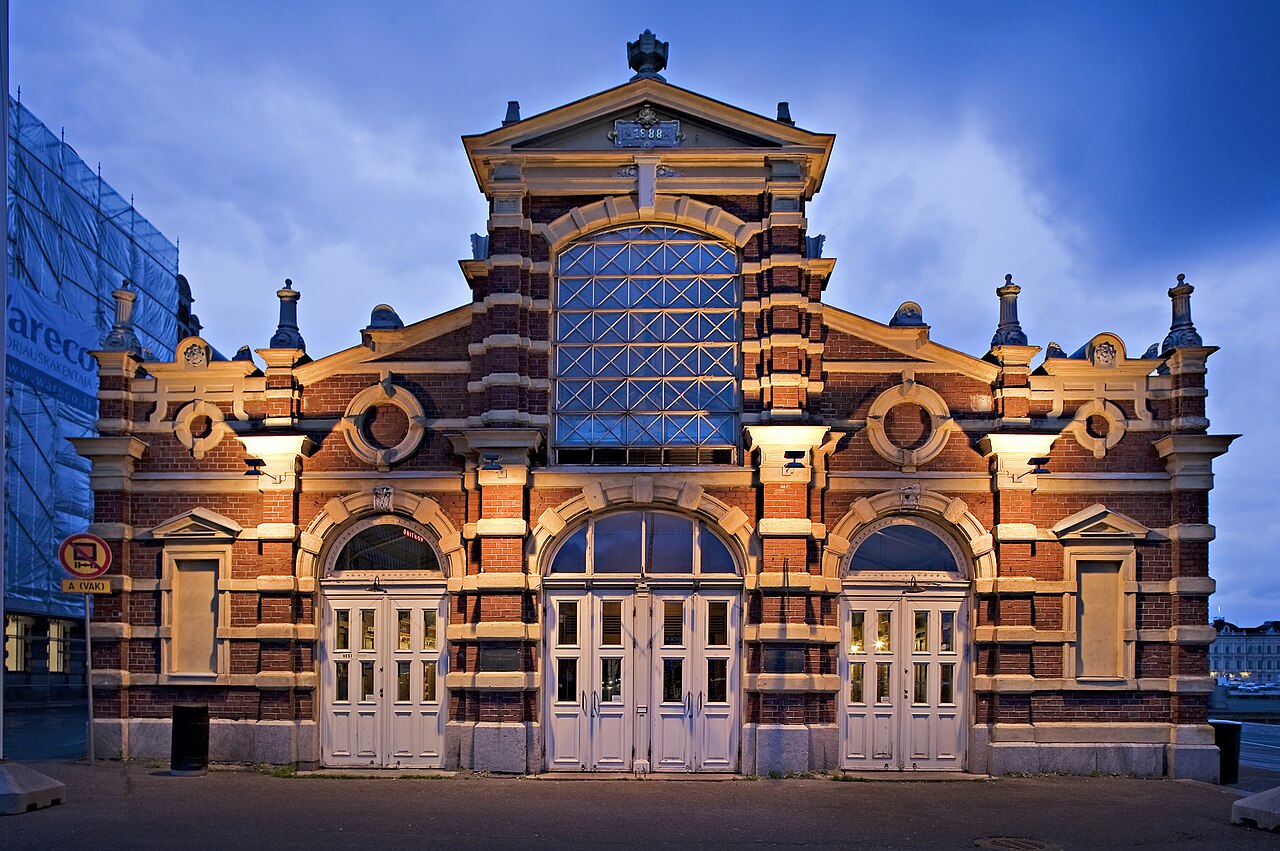
The Market Square and the Old Market Hall are the obvious first stop, and they are free to wander. The hall, on Eteläranta, has a long row of small shops selling fish, cheese, bread, deli food and coffee, and it is open from Monday to Saturday during the day. Walk a full lap before buying, then choose one counter and eat on the spot. The outdoor stalls on the square are busiest in summer, with berries, vegetables and cooked fish, and quieter in winter, when a few traders remain. Both are a short walk from the Suomenlinna ferry, so they make a good pairing with the island.
Dishes to look for
Salmon soup, lohikeitto in Finnish, is a creamy, dill-scented bowl that is the classic warming lunch, and you will see grilled and cured salmon on nearly every menu. Karelian pies, karjalanpiirakka, are thin rye pastry boats filled with rice porridge and eaten with egg butter. Fried vendace and Baltic herring appear in the market and at harbour-side stalls, and reindeer, usually sautéed and served with mashed potato and lingonberries, is the traditional Lapland dish found in many traditional restaurants. Rye bread is part of every table, and berries, from lingonberries to cloudberries and blueberries, turn up in jams, desserts and drinks. For something sweet, try a cinnamon bun, korvapuusti, with coffee, and for the adventurous, salty liquorice, salmiakki, is a famously Finnish taste that visitors tend to love or hate.
Coffee is a way of life
Finns drink more coffee per person than almost anyone, and the coffee break is a social institution. You will find filter coffee everywhere, usually light roasted, along with specialist cafes around Kallio, the Design District and Punavuori. Order a coffee with a pastry and sit as long as you like; nobody will hurry you. The cafes of Oodi, Kiasma and the Ateneum are useful stops during a museum day.
Lunch is the smart meal
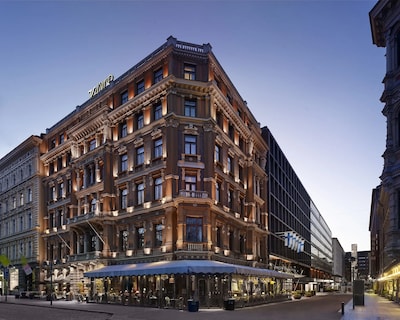
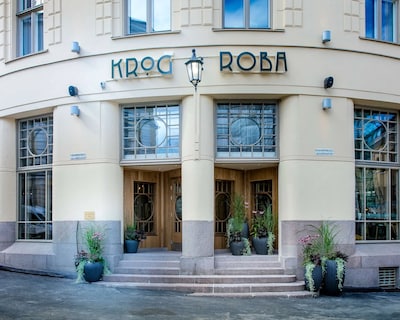
Many restaurants run a weekday lunch offer at a noticeably lower price than dinner, often including a main course, salad, bread and a drink. If you want to try a well-known kitchen on a budget, do it at lunch. At dinner, book ahead for Friday and Saturday, and consider a table at a restaurant with a view. Löyly’s upstairs restaurant serves Nordic food with one of the best sea-facing terraces in the city and is open even if you skip the sauna. Many of the larger hotels have restaurants worth a visit in their own right, among them the restaurant at Hotel Kämp and the Krog Roba restaurant at Hotel Lilla Roberts.
Learn the history
The Hotel and Restaurant Museum is a small, friendly museum that explains how Finns have eaten out and stayed away from home over the decades. It is a good wet-weather stop and gives context for the menus you will see afterwards.
Seasonal tastes
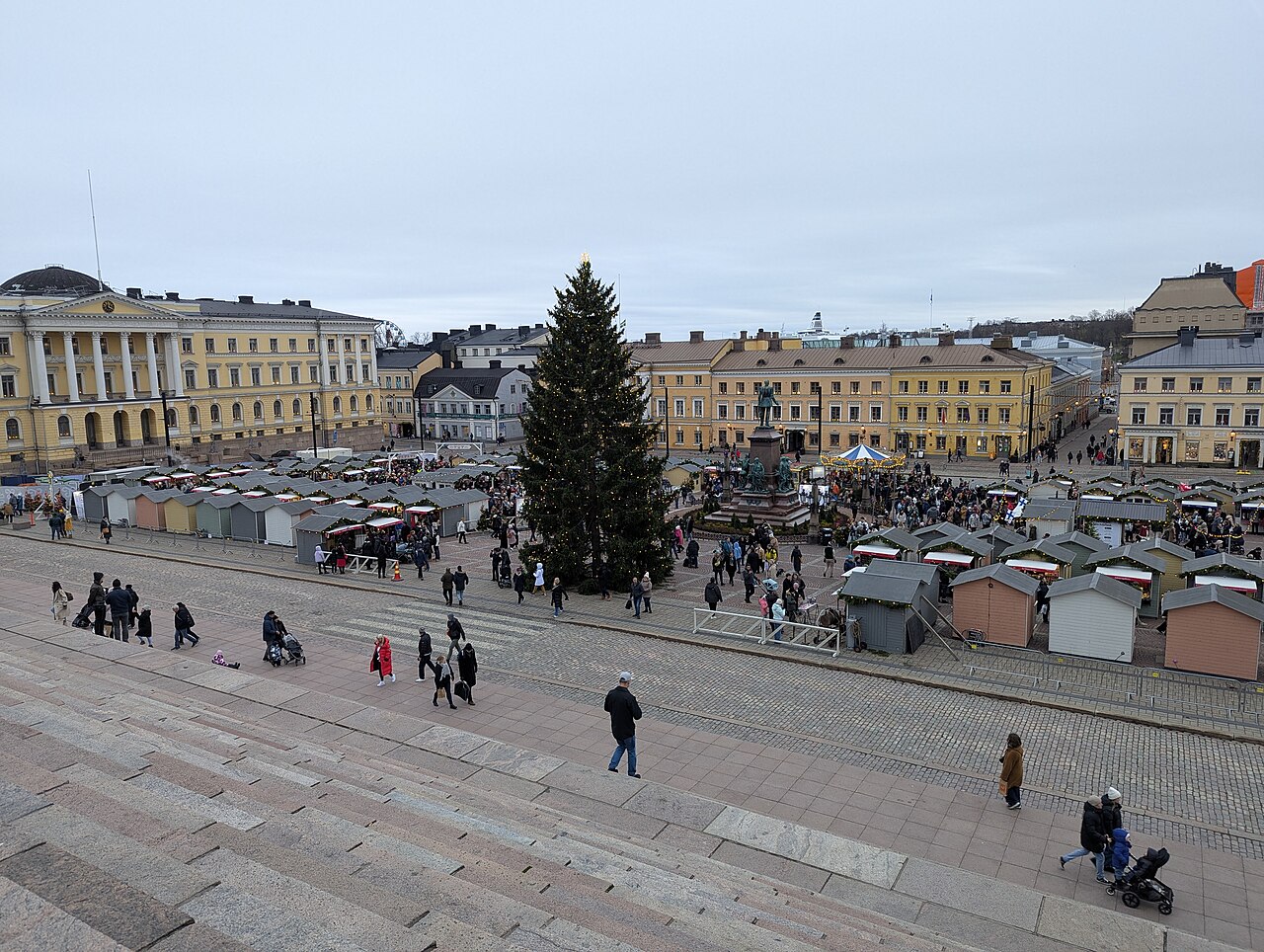
In summer, markets and terraces are full of berries, new potatoes and fresh fish, and the long evenings invite dinner outdoors. In autumn, look for mushrooms and game. In winter, the Christmas market on Senate Square, which runs from 27 November to 22 December in 2026, sells warm drinks and seasonal baking, and cafes serve gingerbread and festive pastries. Early February brings the Runeberg tart, a small almond and raspberry pastry, to every bakery.
Drinks
Tap water is excellent and free, so there is no need to buy bottled. Beer and cider are sold in supermarkets, while wine and spirits are bought at the state-run Alko shops or at restaurants and bars. Finland has a growing craft beer and distilling scene, and many bars list local products. After a sauna, cold beer or a soft drink on the terrace is an old habit.
Practical manners
Tipping is not expected, though rounding up for good service is welcome. Cards and contactless payment are accepted almost everywhere, including market stalls. Service is friendly but understated, so do not read quietness as coldness. Tell the staff about allergies and dietary needs; vegetarian and vegan options are now common, and English is widely spoken.