Winter is Helsinki’s quiet season, and it has real charm if you plan for it. Days are short, the light is low and often grey, and the temperature hovers around or below freezing, but the city is built for it. Saunas, cafes, museums and lights make the cold part of the pleasure, and hotel rates are generally gentler than in summer. Here is how to make the most of a visit between November and March.
What to expect from the weather
November is dark and damp, December and January are coldest, with the possibility of snow and a frozen sea, and by March the light returns quickly. Daylight in midwinter lasts only a few hours, so use the bright part of the day for outdoor sights and keep museums, saunas and dinner for later. Layers, a windproof coat, a warm hat, gloves and boots with good grip are essential, because pavements and cobbles can be icy.
The Christmas market
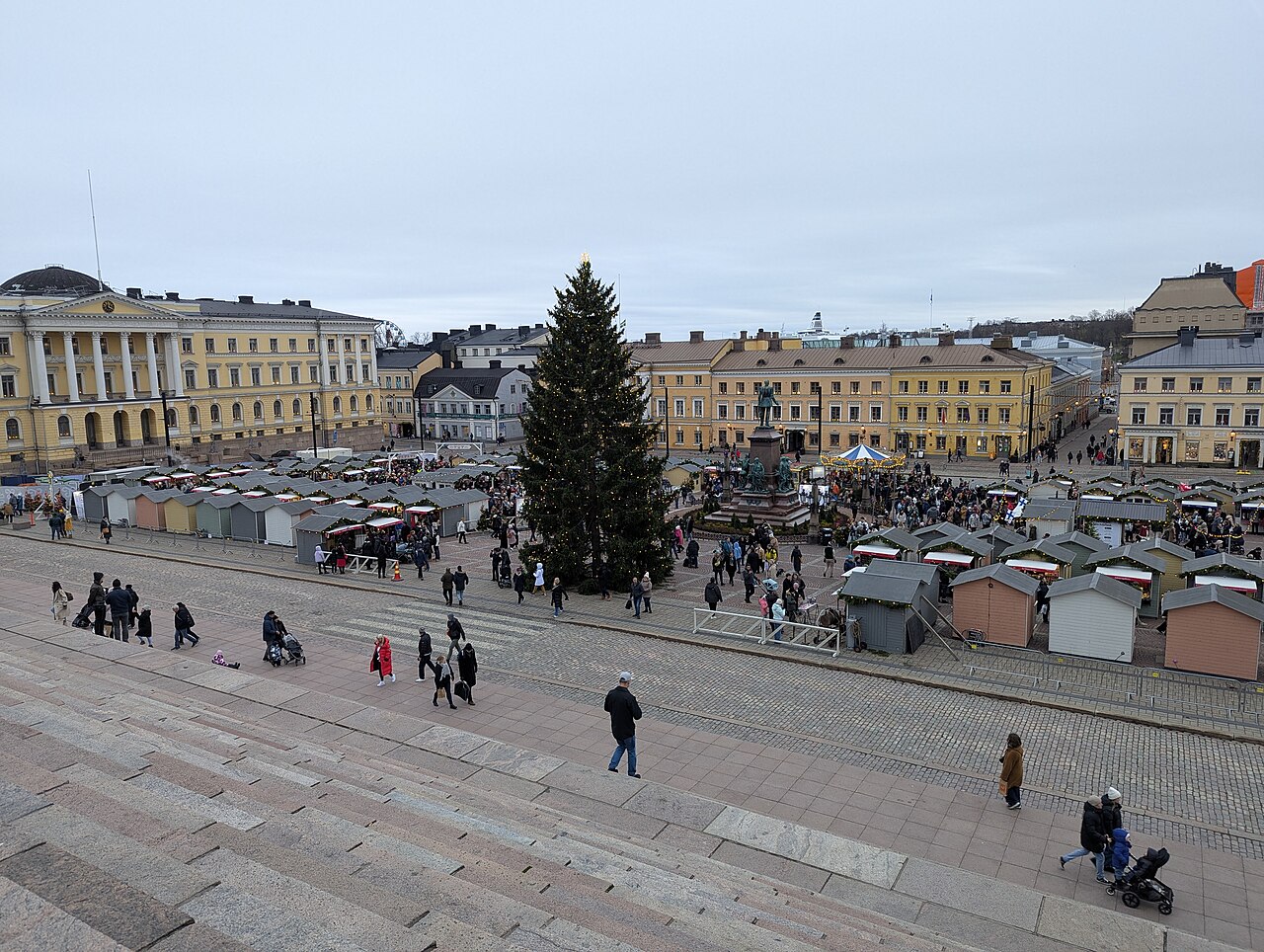
In 2026 the Helsinki Christmas Market fills Senate Square from 27 November to 22 December, with wooden stalls selling crafts, wool, candles and seasonal food beneath the lit cathedral. It is free to browse and is at its calmest on weekday late mornings. Helsinki Cathedral is closed to visitors from 2 to 4 November 2026, and from 5 November admission is voluntary until the end of May, with the crypt closed in winter. Add the Esplanadi and its seasonal lights for an evening walk.
Sauna and sea
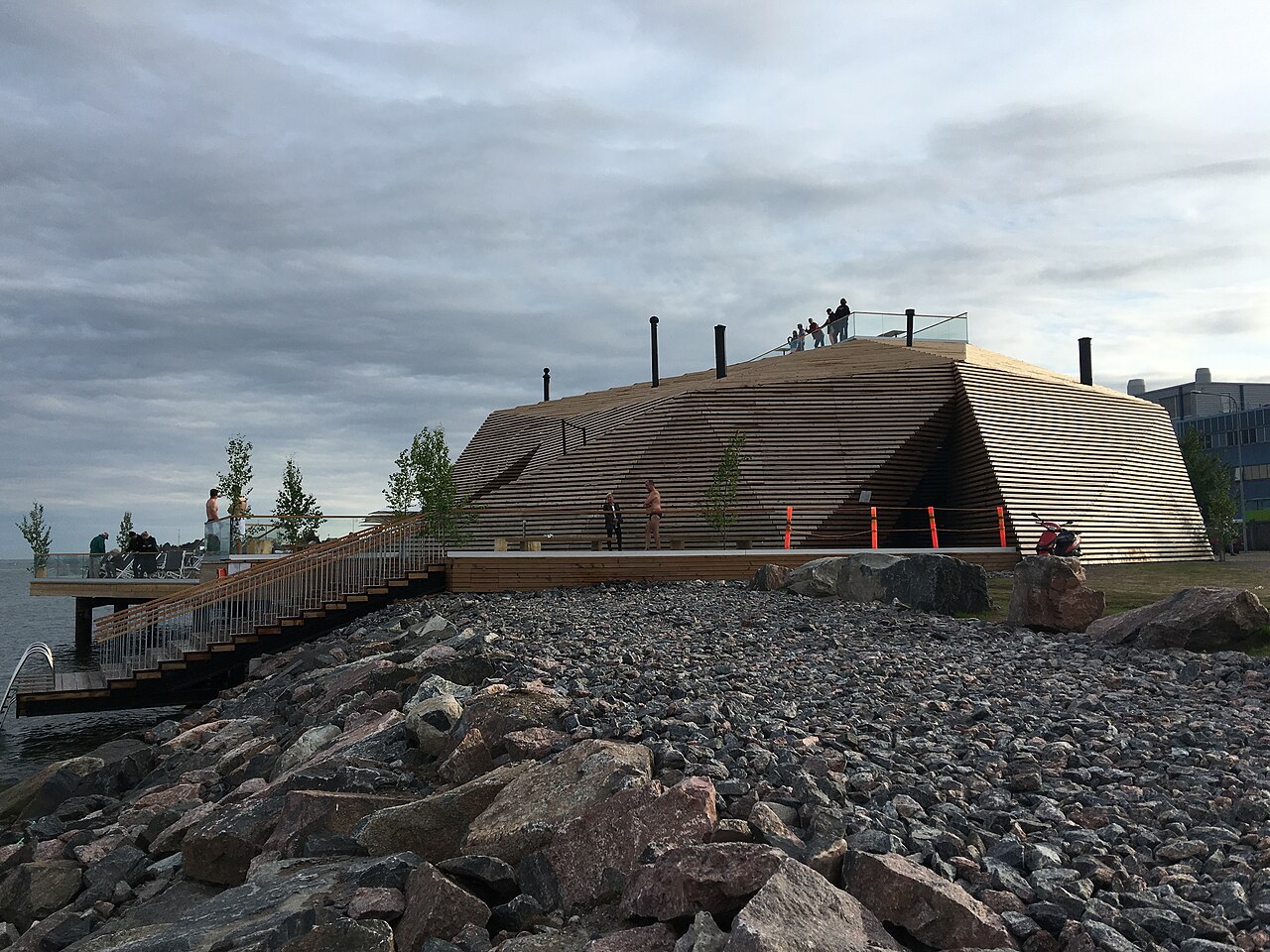
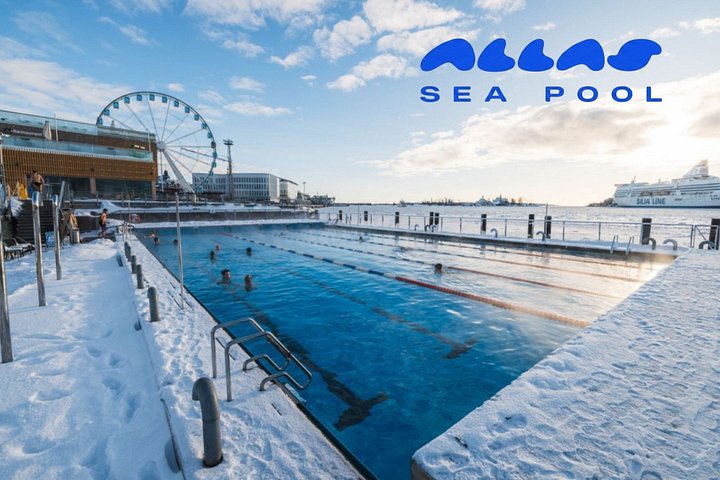
Winter is the best time to try a Finnish sauna, because the heat feels earned. Löyly in Hernesaari offers wood-heated and smoke saunas and a ladder into the Baltic, which is open all year, so in winter the sea is icy. You do not have to swim; a few minutes on the terrace or a cold shower works just as well, and the lights over the dark water are lovely. Allas Sea Pool, beside the Market Square, is the central option, with heated seawater pools to linger in. Book sessions in advance for evenings and weekends, and bring a swimsuit, since the shared areas are mixed. Many hotels, including Scandic Grand Central and Clarion Hotel Helsinki, have their own saunas.
Indoor days
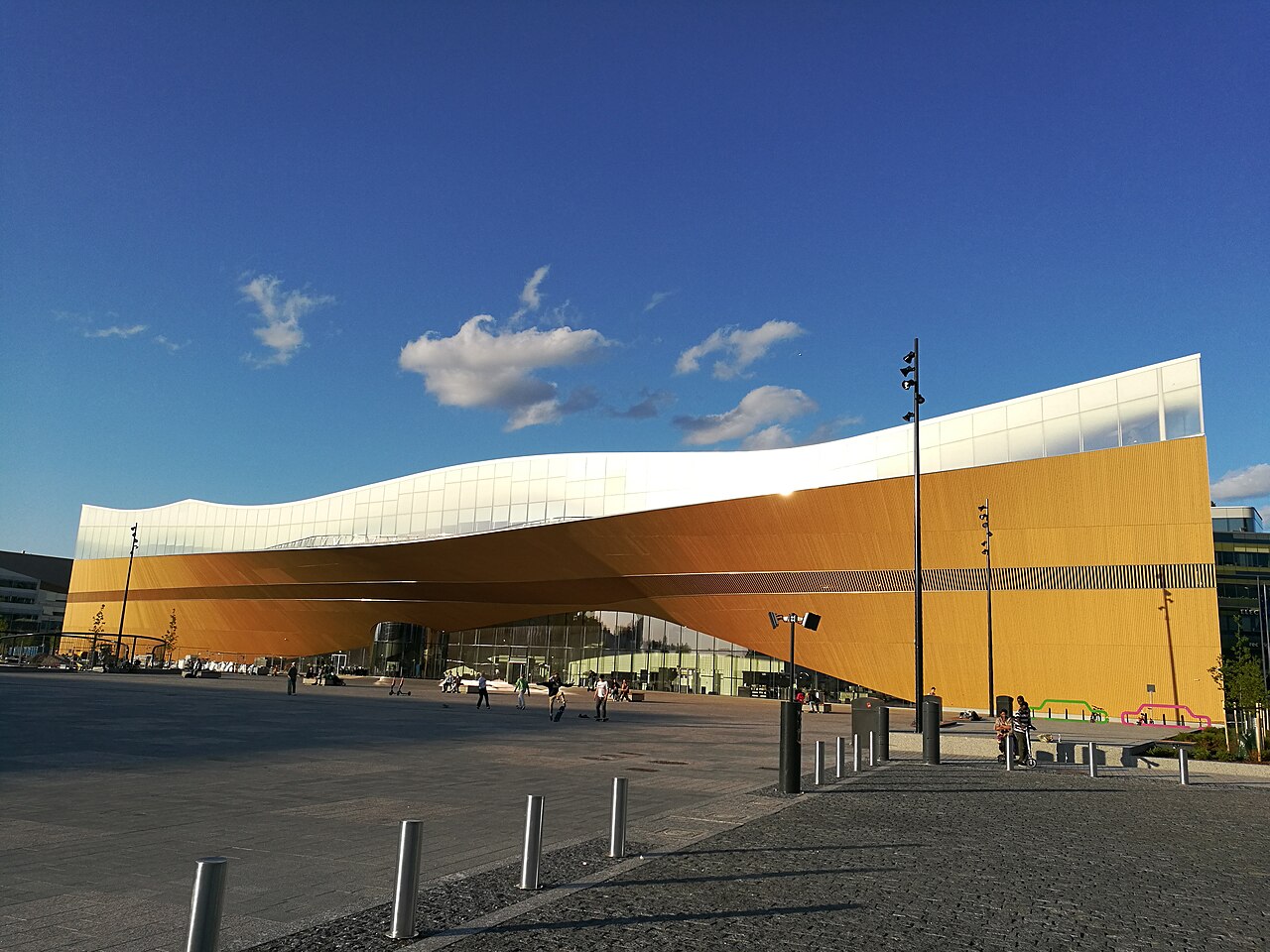
When the weather turns, Helsinki has plenty to do indoors. Oodi, the central library, is open every day and is one of the best free places to spend a wet afternoon. Kiasma and Amos Rex cover contemporary art, the Ateneum shows the classics of Finnish painting, and the Architecture and Design Museum and the Hotel and Restaurant Museum are smaller and more intimate. Check the closing days, since many museums close on a Monday or a Tuesday, and the Ateneum is closed on Mondays through to the end of the year. Uspenski Cathedral keeps shorter off-season hours and is closed on Mondays, so check before you climb the hill. The Helsinki Card is good value if you plan several museum visits and want public transport in the same ticket.
On the water
The Suomenlinna ferry runs all year, with at least one departure an hour in winter compared with several in summer, and the fortress is magical under snow. The Suomenlinna Museum stays open, but the Vesikko submarine and the Ehrensvärd Museum are closed out of season, and island cafes keep shorter hours, so bring a thermos and check times. Archipelago cruises run on a much reduced schedule or not at all in the coldest months, so confirm before planning around one. The Panorama Sightseeing bus tour is the winter alternative, a heated overview of the city that is easy for a first morning.
Nature in the cold
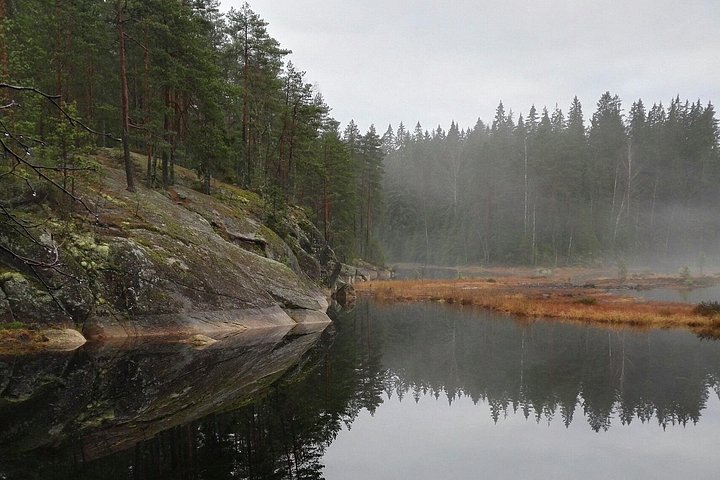
Nuuksio National Park is open all year, and in winter its forests and frozen lakes are quiet and beautiful, with snow, short days and chances for snowshoeing. Dress for conditions, carry water and a small snack, and consider a guided half day if you have not walked in snow before. Do not go out at night expecting to see the park’s famous flying squirrels; they are shy and rarely seen.
Day trips
A winter Tallinn trip is darker and quieter but atmospheric, with Christmas markets in the Old Town in the lead-up to the holiday, though ferry timetables are lighter and the sea can delay crossings. Porvoo is picturesque in the snow, but some small shops and cafes reduce their hours between November and March.
Practical advice
Book dinner for the weekends, wear shoes you can walk in, keep an indoor backup for every outdoor plan, and give yourself a warm break in a cafe every couple of hours. Finns say there is no bad weather, only bad clothing, and by the second day you will believe it.