Ho Chi Minh City sits in the tropical south of Vietnam, so it does not have four seasons. It has two: a dry season and a wet season, and the heat never really goes away. Understanding the pattern makes it easy to pick your dates and to plan each day, because the weather decides when you should be outdoors.
The dry season, December to April
This is the most comfortable time to come, with mostly sunny skies, little rain and lower humidity, especially from December to February when evenings can feel almost pleasant. It is the busiest period for visitors, so book hotels and day trips early, particularly around Christmas, New Year and Tet. November sits at the edge of this season, with the rains easing and cooler evenings, which many visitors find to be one of the best months of all.
The hot months, March to May
Temperatures peak in the spring, often just before the rains start, and the afternoons can be punishing. If you come then, do your outdoor sights in the morning, use the middle of the day for an indoor museum, a long lunch or a massage, and go out again after sunset. Carry water, wear a hat and sunscreen, and choose a hotel with a pool, which becomes a daily necessity.
The wet season, May to October
Rain usually arrives in the afternoon as a short, heavy downpour that clears within an hour or two, and the mornings are often bright. This is the green season, with fewer crowds, lower prices and good light on the rice fields and orchards outside the city. Streets can flood briefly in heavy rain, so keep a light rain jacket or a poncho handy, and allow extra time for travel. The wettest weeks are usually in the later months, and a rare multi-day storm can disrupt plans, so keep dates flexible if you can.
What to plan for each season
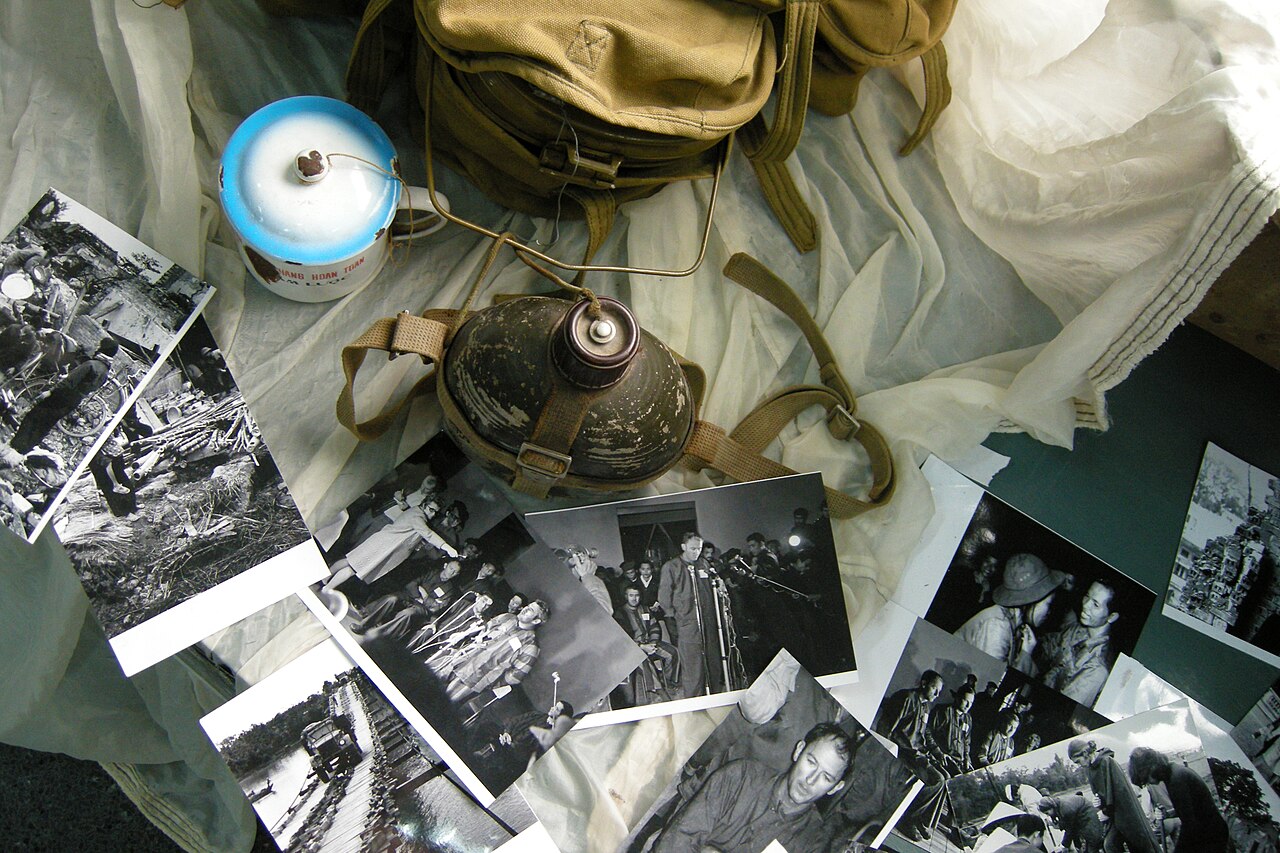
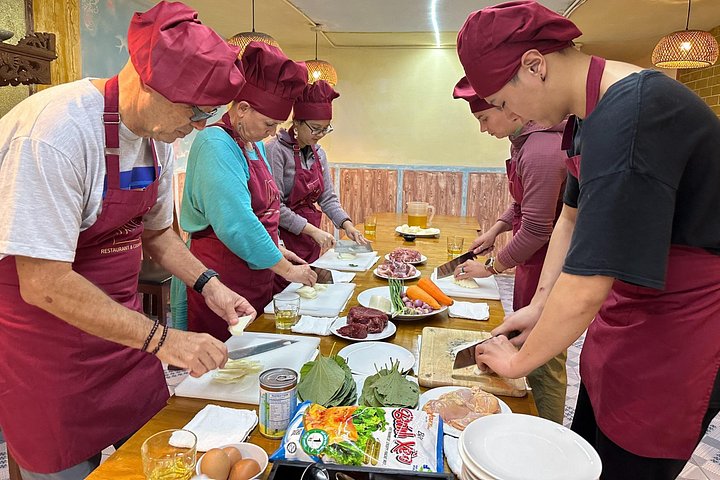
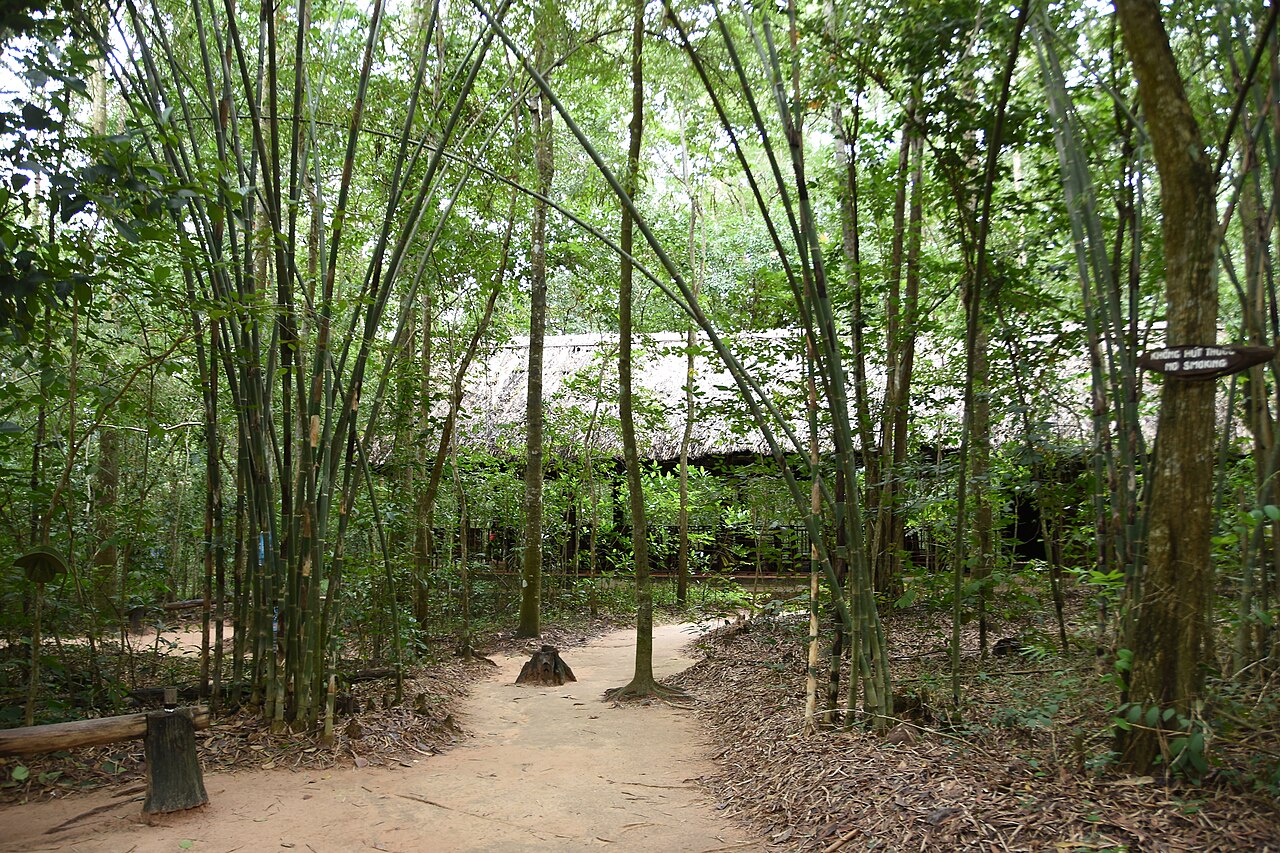
In the dry months, the day trips are at their best: the Cu Chi Tunnels are drier underfoot, and the Mekong Delta boat rides are comfortable. The Cao Dai Holy See and Ba Den Mountain day tour is a long day, and the dry season suits the climb and the views. In the wet months, put the War Remnants Museum, the Independence Palace, a cooking class, a water puppet show or an evening food tour in your plan, since they can all continue in the rain, and move the outdoor trips to the morning. The Can Gio mangrove trip is a good choice for a green-season day, though conditions on the water can vary.
Tet, the Lunar New Year
Tet falls in late January or February, and it changes the city completely. Many families leave Saigon to visit relatives, and shops, restaurants and even some attractions close for several days or up to a week. The streets are decorated with flowers and lights, and the city is calm and quiet in a way it never is otherwise. Travel into and out of the city is crowded in the days before and after, so book transport early and check which sights are open. If you want the full bustle of Saigon, avoid the Tet week itself, but if you want to see the festival atmosphere, the days before it have flower markets and decorations that are worth seeing.
Public holidays
Reunification Day on 30 April and Labour Day on 1 May usually bring a long weekend, with domestic travel and crowds at popular sights. National Day on 2 September is another holiday. Check the dates before you book, since attractions and transport fill up and prices may rise.
Our suggestion
For most visitors, November to February is the sweet spot: the weather is as good as it gets, the day trips are easy and the evenings are comfortable for walking and food tours. If you are visiting during the wet season, do not be put off: mornings are usually fine, prices are friendlier and the city feels more relaxed. In the hottest months, treat the middle of the day as a time to rest.
Packing
Light, breathable clothes, comfortable sandals or walking shoes, a hat and a rain jacket cover most of the year. Take one smarter outfit with covered shoulders and knees for pagodas and the Independence Palace, and a light layer for the air conditioning in cars, shops and cinemas, which can be very cold.