Ho Chi Minh City was the capital of South Vietnam, and many of the war's most familiar images come from its streets. Today it is also the best base in the country for understanding the conflict, because the major sites are within a day's reach and each tells a different part of the story. This guide explains how to combine them in a way that is informative rather than overwhelming, and how to approach a subject that is still personal for many families.
Start with the War Remnants Museum
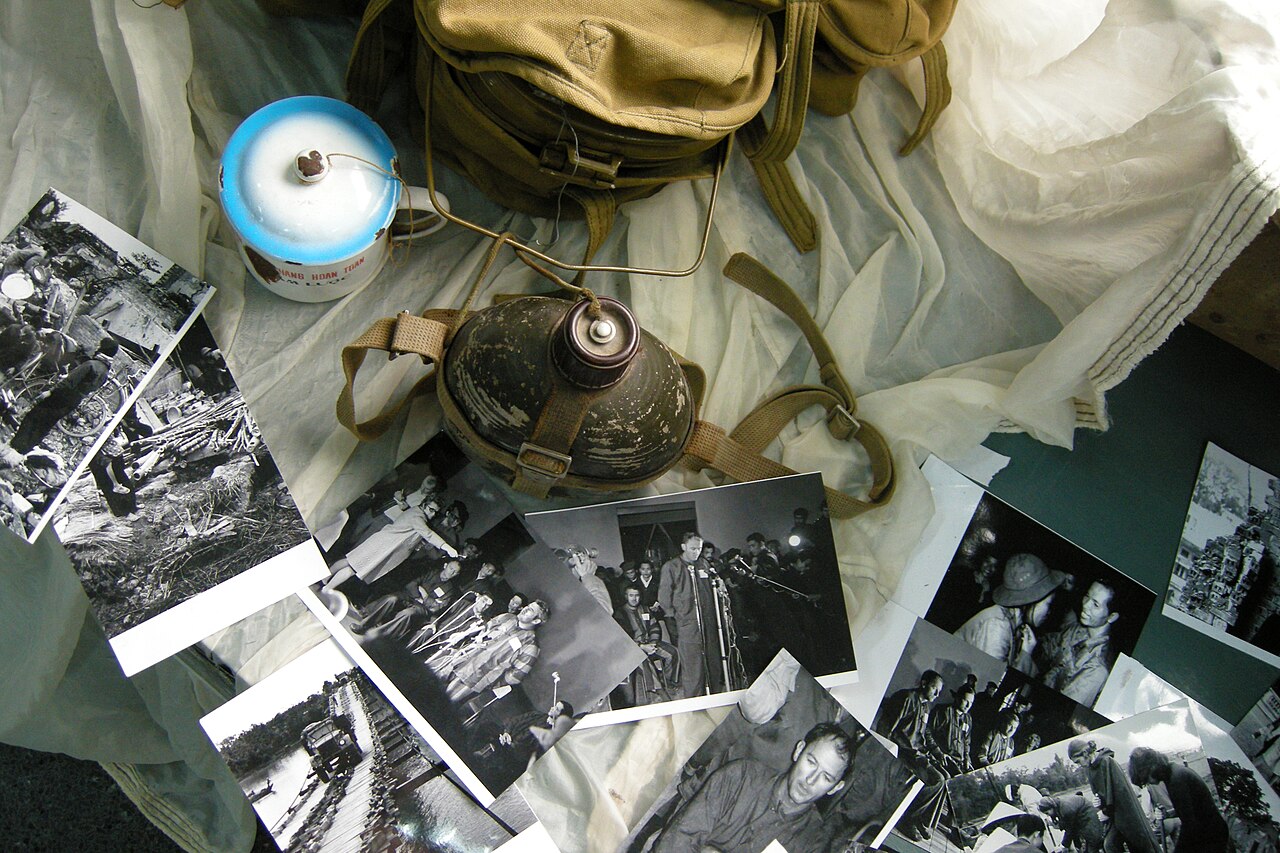
The museum on Vo Van Tan Street is the most direct introduction, with photographs, documents and military equipment in the courtyard. Its perspective is Vietnamese, and some displays are graphic, including images of the effects of chemical defoliants. Go early, allow around two hours, and be ready for an emotional visit. Many travellers find it easier to take a break in the middle, and children under about twelve may find parts of it upsetting.
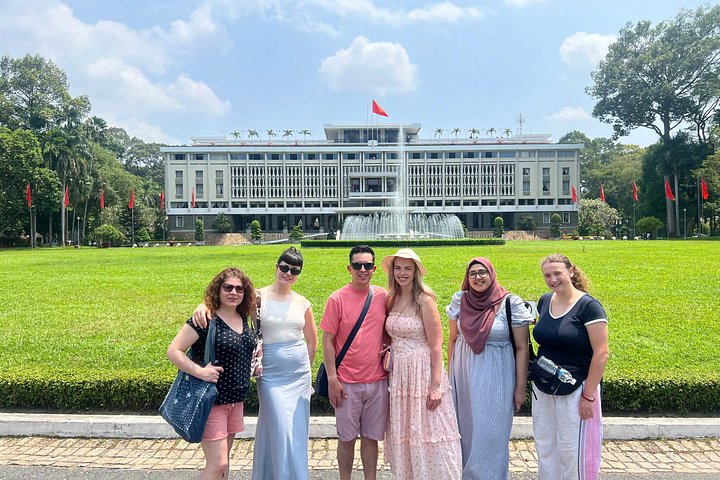
The Independence Palace
Formerly the presidential palace of South Vietnam, the building is a time capsule of the 1960s and early 1970s. You can walk through the reception rooms, the cabinet room, the war room with its maps and the basement bunker with its communication equipment. It is also where a tank crashed through the gate on 30 April 1975, ending the war. The palace is calmer than the museum and gives context for the political side of the story. Dress modestly and allow about ninety minutes.
Cu Chi Tunnels
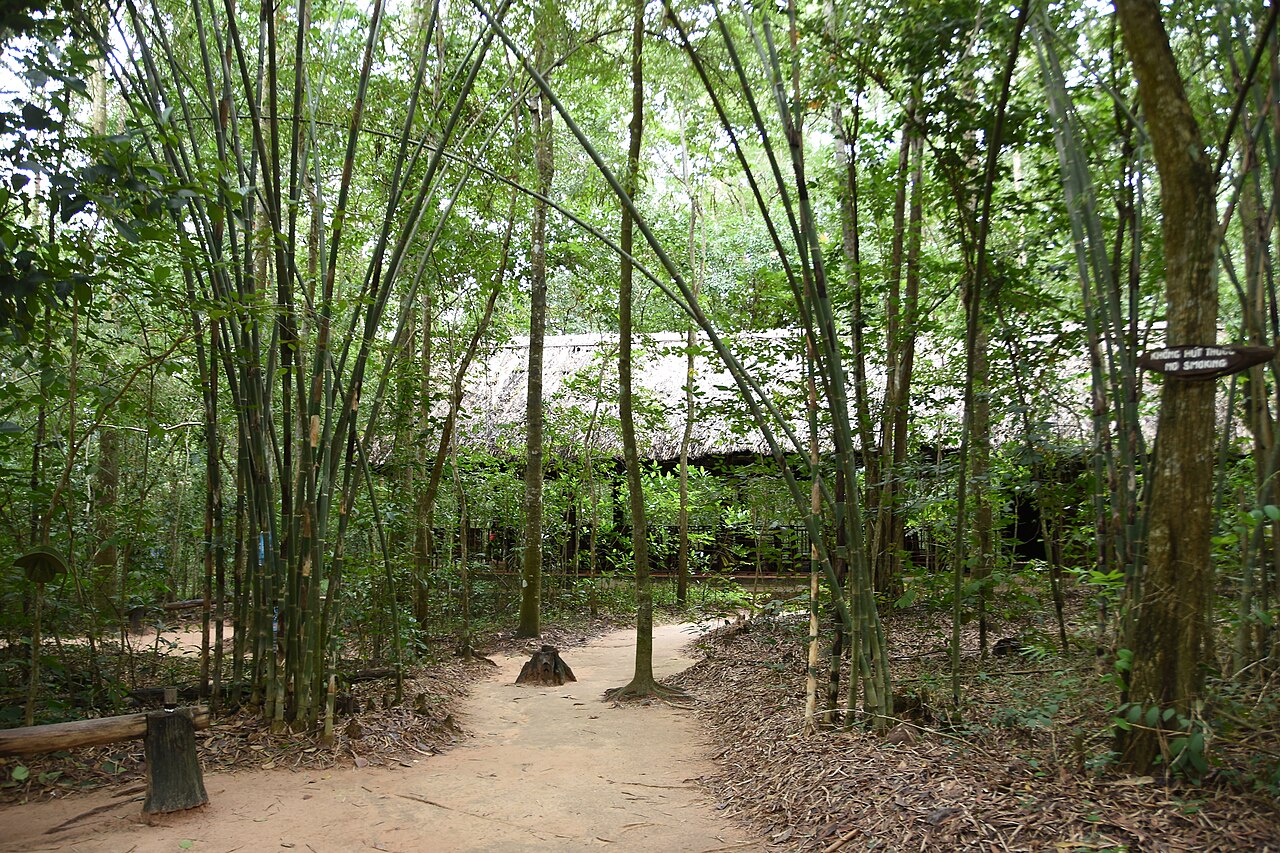
About two hours from the centre, the Cu Chi district was a stronghold of the Viet Cong, and its network of tunnels held living quarters, kitchens and hospitals. Visits include a demonstration of a hidden trapdoor, a look at booby traps and the chance to crawl through a short section of widened tunnel. The experience is part history lesson and part theme-park atmosphere, and guides vary in tone, so choose a tour that emphasises context. A morning departure avoids the worst heat, and a small-group tour allows more time for questions.
Long Tan and Nui Dat
If you have a personal or national connection to the Australian and New Zealand contribution to the war, a half-day journey to the Long Tan battlefield is a quiet and moving addition. It shows the war from another angle, in a rubber plantation where a hard fought battle took place in August 1966. The tour is serious in tone and is best suited to adults and older teenagers.
Other places that add context
The Central Post Office and Notre-Dame Cathedral show the French colonial legacy that shaped the country before the war. A walk through Cho Lon or a ghost-story night tour introduces the beliefs and communities that survived it. The Mekong Delta, with its everyday rural life, shows what the war disrupted and what endured. Many guides will happily talk about the years since the war as well, including reunification and the economic reforms that opened the country.
Suggested plans
With one day: the War Remnants Museum in the morning and the Independence Palace in the early afternoon, finishing with a stroll through the colonial centre. With two days: add a half-day Cu Chi Tunnels tour on the second day. With three days: add the Long Tan tour or an overnight in the Mekong Delta, so the war is balanced with a sense of daily life. Avoid packing the most intense experiences back to back, because the emotional weight accumulates.
Etiquette and sensitivity
Many visitors have family connections to the war, on one side or the other, and so do the people you meet. Speak quietly in memorials and museums, ask before photographing people, and avoid playing with replica weapons in a way that trivialises the subject. If a guide shares personal stories, listen with respect. Opinions about the war vary widely, and a good guide will present facts and let you draw your own conclusions.
Practical tips
Carry water and a hat, wear closed shoes for the tunnels and long trousers or a skirt for the palace. Cash is useful for small entry fees and snacks. Book day tours a day or two ahead in busy periods. Check opening hours for each site, since many close for lunch or on certain days. If you want a guide for the museums, hiring one can add depth, though audio guides and signage in English are available at most major sites.
Unwinding afterwards
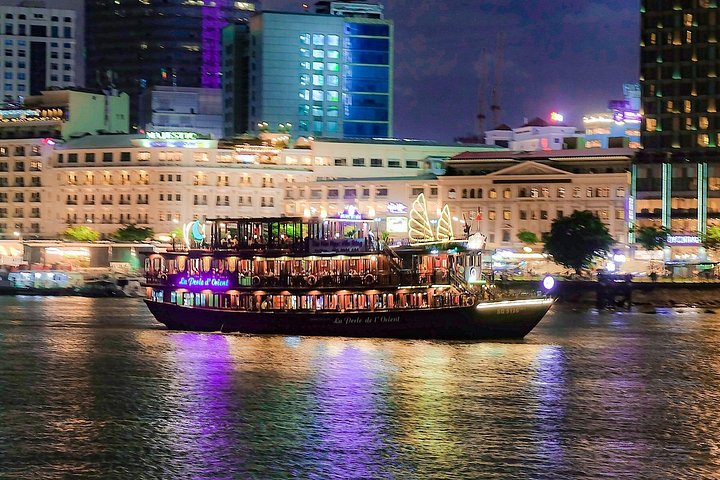
After heavy days, plan something lighter. An evening river cruise, a water puppet show or a street food tour helps balance the experience and reminds you that Saigon today is a young, vibrant city, not just a place in history books.