Hoi An has one of Vietnam's most distinctive regional cuisines, shaped by centuries as a trading port where Chinese, Japanese and Vietnamese merchants settled and cooked. Several dishes here are rarely found, or rarely done as well, anywhere else, which makes eating a reason to come in its own right. This guide covers what to order, how to eat well without overthinking it, and the classes and walks that teach you the most.
Cao lau
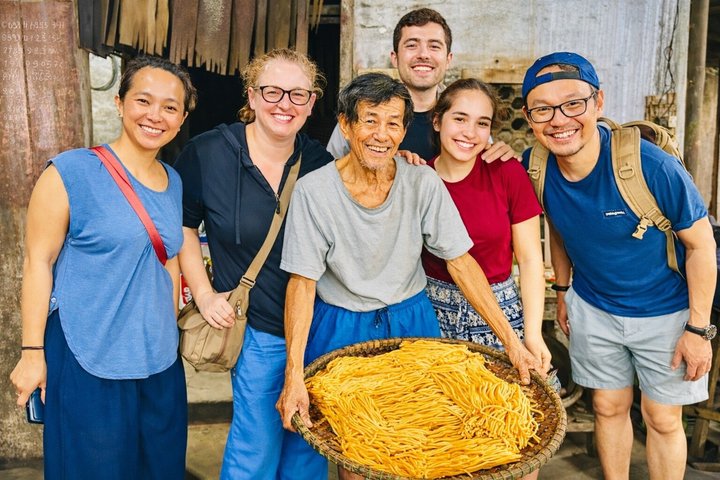
The dish most closely tied to the town. It is a bowl of thick, chewy noodles with slices of roast pork, fresh herbs, bean sprouts and crisp crackers, served with very little broth. The noodles are traditionally associated with water from old local wells, a story you will hear often. Order it once in the old town and judge for yourself, and note that the texture is closer to a dressed noodle dish than a soup.
White rose dumplings
Delicate translucent dumplings of rice dough, pleated into a rose shape and filled with minced shrimp or pork, served with crisp fried shallots and a dipping sauce. They are small, so order a plate to share. They are a speciality of the old town and a good dish to learn to make in a class.
Mi quang and chicken rice
Mi quang is a Quang Nam noodle dish with flat rice noodles, a small amount of rich broth, herbs and peanuts, topped with pork, shrimp or chicken. Com ga, Hoi An chicken rice, is rice cooked in chicken stock and topped with shredded poached chicken, onion and herbs. Both are everyday dishes that locals eat at breakfast or lunch, and both are cheap.
Banh mi, banh xeo and snacks
Hoi An banh mi has a loyal following, with a light crisp baguette stuffed with pork, pate, herbs and sauces. Banh xeo are crisp savoury pancakes folded around shrimp and bean sprouts and wrapped in rice paper with herbs. For sweets, look for sweet soups, che, and coconut treats at the night market. You do not need a reservation for any of these; follow queues of locals.
How to eat at markets and street stalls
Pick busy stalls where food is cooked in front of you, point at what you want and ask the price before you sit. Carry small dong notes, because change for a large bill can be awkward at a small stall. Most tables have chopsticks, a spoon and a tray of herbs, chilli and lime to adjust each bowl. The Hoi An Night Market has vendors along the riverside where you can try several small things in an evening, and it is free to wander.
Vegetarian and allergy notes
Many dishes rely on fish sauce, shrimp paste and pork stock, and menus do not always say so. Learn the phrase for vegetarian food, com chay, and ask clearly. Good restaurants in the old town offer vegetarian versions of local dishes, and a cooking class is a safe way to eat well, since you control the ingredients. Tell the operator about allergies when you book rather than at the table.
Coffee
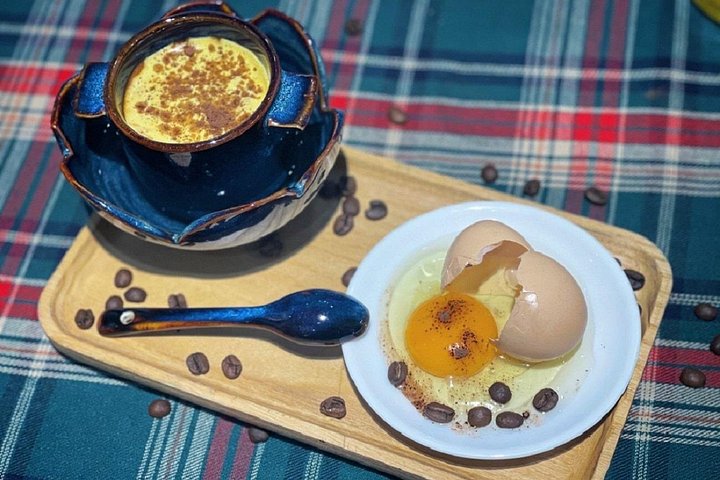
Vietnamese coffee is strong, dark and often sweet. Try ca phe sua da, coffee with condensed milk over ice, and the more theatrical coconut coffee that has become a local favourite. Many cafes in Hoi An sit in old shophouses with courtyards and are a pleasant place to hide from the midday sun. A Vietnamese Culture and Coffee Making Class shows you how beans are roasted, brewed with a small metal filter and served in several styles.
Learning to cook
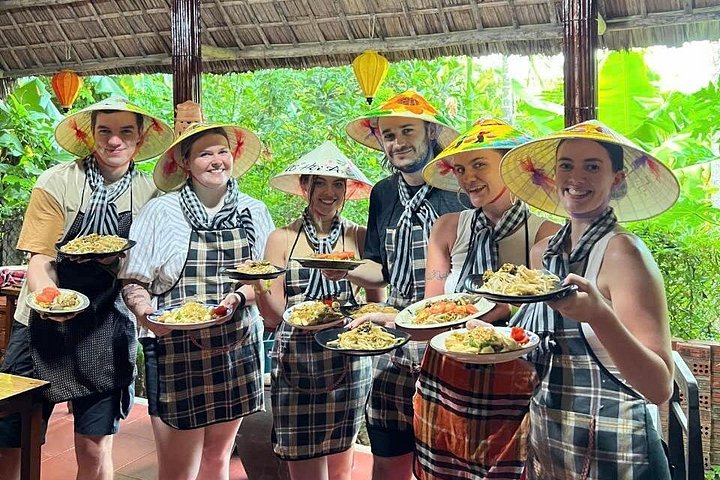
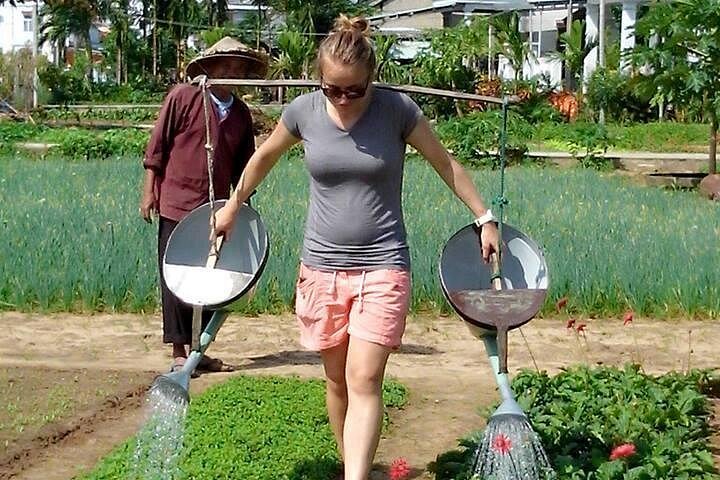
A class is the single best food experience in the region. The Hoi An Cooking Class with Market and Basket Boat takes you to a market for ingredients, then by basket boat through the coconut forest at Cam Thanh, and finally into a kitchen where you cook several dishes. If you prefer to leave the cooking to others, the Hoi An Food and Culture Walking Tour strings together tastings with stories about the merchant history behind each dish. Tra Que Vegetable Village adds a farm-to-table view, with herb gardens that supply many local kitchens, and a cycling and farming visit there is a gentle half-day.
Practical notes
Drink bottled or filtered water, choose fruit you can peel, and be sensible with ice in a small stall. Tipping is appreciated but not expected in casual places. In the wet season, heavy rain can disrupt street stalls for a day, so keep a class or a cafe in reserve. Finish the day by the river with a sweet soup or a coffee and let the lanterns do the rest.