Central Vietnam has a distinct pattern of seasons, and it does not match the north or the south of the country. Hoi An and Da Nang are dry and pleasant for several months, hot in mid year, and wet from early autumn into winter. Knowing the pattern helps you choose dates, decide how flexible to be, and pick the right sights for the weather.
February to May: the best all-round window
These are generally the driest, most comfortable months. Days are warm, skies are often clear, seas are calmer and beaches such as An Bang are at their best. This is the easiest time for the Cham Islands snorkelling day trip, the Hai Van Pass by motorbike and the Golden Bridge at Ba Na Hills, where clear weather matters most. Expect more visitors, higher hotel rates and busier lanes at holidays and weekends, so book hotels and popular tours early.
June to August: hot and sunny
Mid year is hot, bright and humid, with strong sun and a good beach climate. It suits families on school holidays and anyone happy to plan around the heat. Do sightseeing in the morning, rest at midday and walk the old town after dusk. The Cham Islands and the beaches are very good now, while My Son and Marble Mountains are best on an early start, because the climb and the exposed ruins can be tiring in the afternoon.
September to December: the wet season
Rain increases from early autumn and is heaviest in October and November. Showers can be brief or last for days, and the Thu Bon river can rise and flood the lower streets of Hoi An. Flooding in the old town is part of the town's history, and locals are well practised. A flood can close lanes and stalls for a day or more, and it often recedes as the rain eases. You can still visit, but treat the dates as flexible. Choose a hotel with a clear cancellation policy, keep an indoor option such as a cooking class, a coffee class, a lantern class or a tailor visit ready, and carry a poncho, which works better than an umbrella in narrow lanes. Check the forecast and local news before you travel, since we cannot give a day-by-day outlook.
Typhoons and storms
The storm season in this part of Vietnam runs mainly through autumn. A strong storm can disrupt flights, close roads and passes, suspend the Ba Na Hills cable cars and cancel boat trips to the Cham Islands. If a typhoon is forecast, follow the advice of your hotel and local authorities, and do not push on with sea trips. Travel insurance that covers weather disruption is sensible for this region at this time of year.
January: cooler and changeable
The new year can bring cooler, grey and drizzly days, particularly on the Hai Van Pass and at the top of Ba Na Hills, where mist is common. It is a quieter, cheaper month, good for old town walks and food, less reliable for beaches and views. Bring a light layer.
Full moon nights
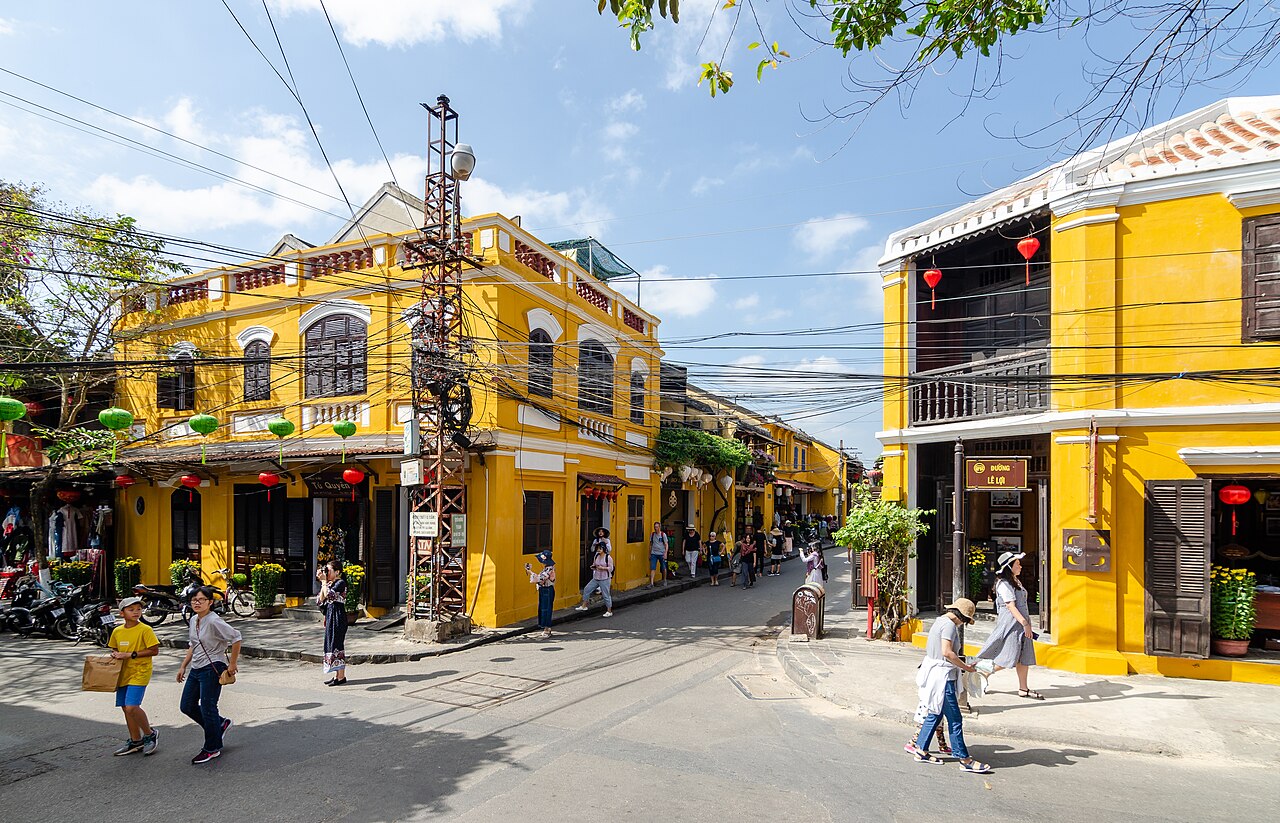
Around each full moon, Hoi An hosts a lantern festival evening in the old town. Lights are dimmed, lanterns are lit and floated on the river, and the quarter is closed to vehicles and fills with people, music and street food. It is atmospheric and busy, so book a hotel close to the centre, arrive early and expect crowds on the bridges. Dates follow the lunar calendar, so check them for your trip. The Hoi An Night Market and the Dragon Bridge Fire and Water Show in Da Nang give you evening highlights on other nights, the Dragon Bridge show being a weekend event.
Tet and public holidays
Vietnamese New Year, Tet, falls in late January or February, and the old town is decorated and beautiful, though some shops and restaurants close for several days and transport is very busy as people travel home. National holidays can also fill hotels and tours, so book early if your dates overlap.
Our suggestion
For beaches, views and day trips, aim for February to May. For lower prices and a quieter old town, accept the risk of rain in the shoulder months. If you can only travel in October or November, build a relaxed itinerary around cooking, tailoring, lanterns, food and the Hue and My Son days that work in showers, and stay flexible.