The Ancient Town is why most people come to Hoi An, but the area around it is where the town's trades still live. Within a short ride are villages that grow vegetables, throw pottery, weave silk and build boats, and a handful of workshops in town let you try the crafts yourself. This guide pulls those threads together so you can plan a day or two that feels different from the old quarter, and so you know which activities suit which kind of traveller.
Start with the old town, then go outward
The Hoi An Ancient Town gives context for everything that follows, because the craft trades grew up to serve its merchants: silk for clothes and lanterns, clay for roof tiles and household ware, wood for the houses and boats. Spend your first morning there, then use the following days to see where those materials came from. Keep your old town ticket stub safe in case you want to return for an evening walk.
Silk and lanterns
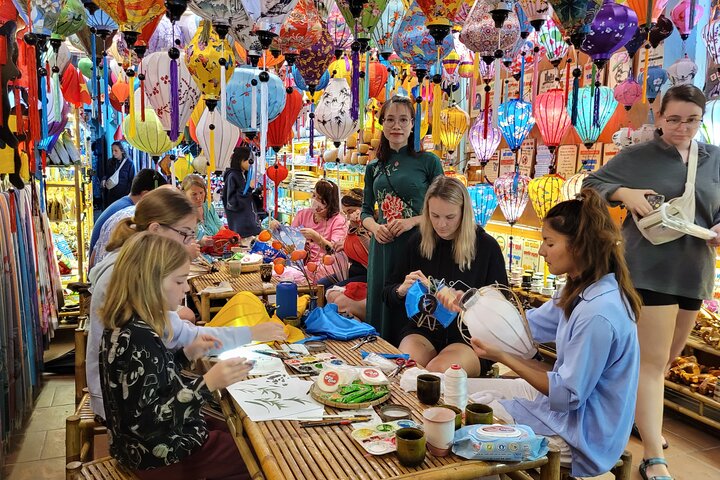
Silk is the thread that links the town's best-known crafts. A visit to the Hoi An silk village follows the material from mulberry leaf and cocoon to loom, and it makes you a smarter shopper at the tailors. The Lantern-Making Class in Hoi An then shows how the same silk becomes the glowing shapes that hang over the streets. Doing both on the same day makes a coherent theme, and the lantern class is short enough to fit around other plans. If you plan to order clothes, visit the village early in your stay and take notes on fabric textures.
Clay and wood
Thanh Ha is the terracotta village a few kilometres from town, where a session at the wheel gives you a bowl or cup and a look at the kilns. It pairs well with a morning bicycle ride, because the roads between the villages are flat and quiet. Carpentry villages, where craftsmen carve furniture and boats, are sometimes included in countryside tours, so look at itineraries if you want to see wood as well as clay. Ask whether finished pieces can be shipped, because fragile ceramics do not always survive a backpack.
Leather and small workshops
A leather class is the easiest craft to fit into a rainy afternoon, since it is indoors and short. You leave with a small item you stitched yourself. Because workshops differ in teaching style and materials, check what is included and whether stamping or personalisation costs extra. Similar small workshops exist for bamboo, embroidery and painting, and they are good ways to fill a gap in the day when heat or rain keeps you off the streets.
Villages by bike, scooter and boat
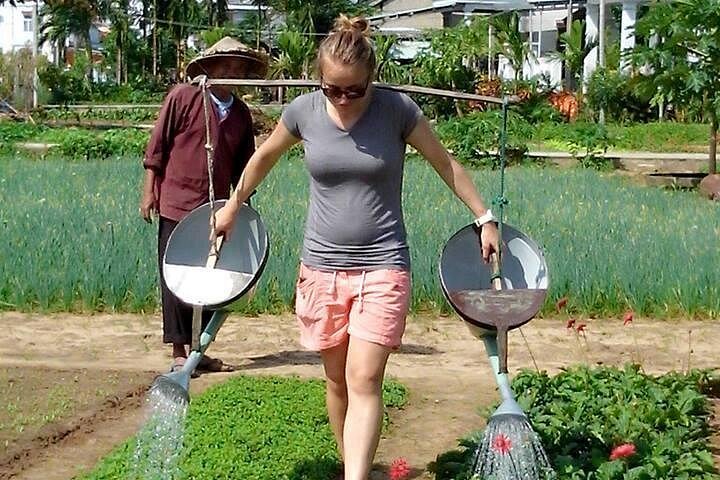
The countryside is best taken slowly. The Tra Que Village Cycling and Farming experience visits an herb-growing village famous for its vegetables and lets you work a plot. A Hoi An Countryside Vespa Tour covers more distance with a local driver, and the Basket Boat Ride at Cam Thanh takes you into the water coconut forest in a round woven boat. If you prefer an afternoon of eating, the Hoi An Bicycle Food Tour ties the villages and lanes together with street food. Choose one or two of these rather than all of them, or the days blur.
A sample two-day plan
Day one: morning silk village visit, then a lantern class, with an evening stroll through the night market. Day two: early bicycle ride to Thanh Ha for pottery, a long lunch, then a late afternoon leather workshop or spa session. Swap in the basket boat or the Vespa tour if you prefer movement over craft. Keep the evening free for the old town, which looks best after the day-trippers leave.
Practical notes
Wear light clothes with covered shoulders, closed shoes or sturdy sandals, sunscreen and a hat. Carry small notes for snacks and tips, and ask the price before you sit in a boat or accept a workshop offer. Many workshops welcome children, but age limits and tool safety vary, so check with the operator. Ask about pickup, because some villages are easy by bicycle and others need a ride.
Weather and the wet season
Outdoor plans depend on the weather. From roughly September to December rain is frequent, October and November are the peak, and river flooding can close roads and cancel departures. On those days switch to indoor crafts, such as leather, silk and lanterns, and keep the countryside for a drier window. The months from roughly February to May are the most reliable for cycling and boats, though midday can be very hot, so schedule outdoor sections for the morning.
Shopping sense
Craft villages and workshops sell their own products, usually at fair prices, but compare with the market before you buy. Ask whether a piece is handmade, what it is made from and how to pack it. Buying one good item from a maker whose process you have seen is often more satisfying than a bag of souvenirs.
Choosing what to book
If you only have time for one, pick based on what you enjoy: the lantern class for the town's signature, pottery for a hands-on session, silk for understanding what you will buy, a bicycle or boat trip for the scenery. All of these are short enough to fit around a cooking class, a My Son morning or a beach afternoon, so you can build a trip that balances heritage, craft and rest.