The best time to visit Holbox depends on what you want from it. The island has a warm climate year round, but the mix of weather, wildlife and crowds changes through the seasons. This guide breaks the year into patterns rather than exact dates, since weather is never fully predictable and local conditions change from year to year. Ask your hotel and tour operators for current advice before you finalise any plan.
The short answer
Many travellers find the drier, cooler months of the year the most comfortable, with sunny days, lower humidity and calmer nights. The hotter, wetter months bring the whale sharks and flamingos, along with more humidity, showers and storms. If you want beach weather and easy walking, aim for the drier season. If you want wildlife, check the season for each species.
Dry season
The drier months generally run from late autumn through spring. Days are warm rather than scorching, rain is less frequent and the sea is pleasant. This is the busiest time on the island, particularly around winter holidays, long weekends and school breaks, so reserve hotels and popular tours early. Evenings can feel cool when the wind is strong, so bring a light layer. Wind is also what kitesurfers look for, so this period is attractive for lessons, although local schools know best which weeks are windiest.
Wet and hot season
Summer brings heat, humidity and afternoon showers. Rain can flood sand streets and cancel boat trips, but it also brings quieter beaches and lower prices at some hotels. The Atlantic hurricane season runs from June to November, so travel insurance, flexible bookings and a watch on forecasts are wise. Mosquitoes are more active in wet weather, so bring repellent.
Whale sharks
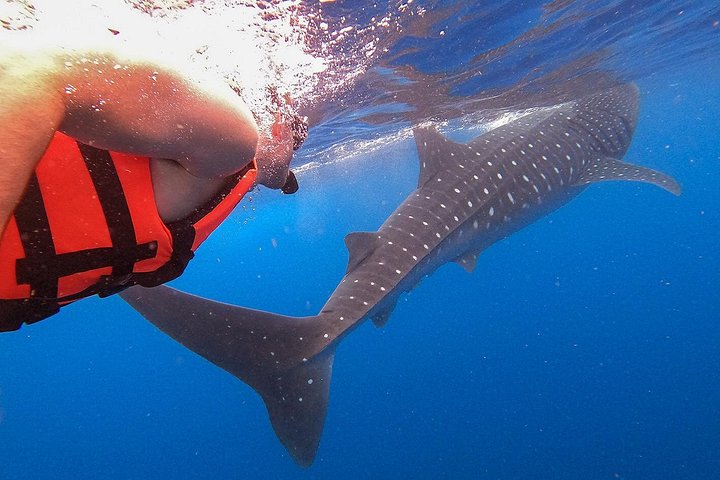
Swims are seasonal. The Mexican Caribbean tourism board says the season runs from May to September, and other local sources say June to September, so plan for the middle of that window and keep some flexibility for weather. Sightings are never guaranteed, and operators follow strict rules, such as swimming with a guide and never touching the animals. Outside the season the swim does not operate.
Flamingos and birds
According to the tourism board, flamingos can be seen from April to October, although where they feed shifts with tides and weather. Pelicans, herons and other waders can be seen across much of the year. Early morning and late afternoon are the best times for birds, whatever the month.
Bioluminescence
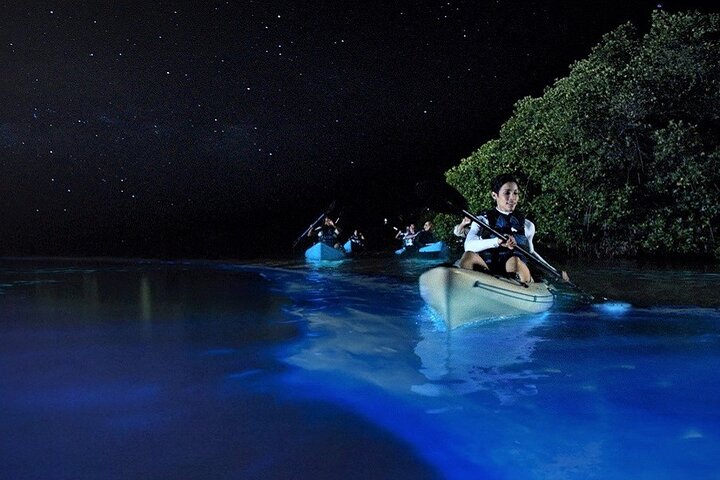
The glowing water depends on the moon, the weather and the plankton, so it is less about the month than about the night. Choose a dark, moonless night, avoid the days around the full moon, and keep a spare evening. Operators can tell you how strong the glow has been recently.
Seaweed and water clarity
Like much of the Caribbean, the area can be affected by seaweed at times, usually in the warmer months, and storms can stir up the lagoon. Conditions vary from week to week and from beach to beach, so ask your hotel for the latest local advice and be flexible about which stretch of sand you choose.
Crowds and prices
The island is quietest outside holiday periods and busiest around Christmas, New Year, Easter and long weekends. Hotels often charge more at those times and require longer minimum stays. If you want quiet, choose shoulder weeks, such as the weeks just before or after the peak.
A note on weather and boats
Tour operators watch wind and sea conditions and may postpone or cancel trips when the lagoon is rough, regardless of the season. Read cancellation terms, ask how rescheduling works and avoid stacking your key activities on the last day of your stay. A flexible plan is the best insurance against a change in the weather.
Packing for the season
Whatever the month, pack light cotton clothing, a hat, sunglasses, reef-safe sunscreen, insect repellent and sandals that can get wet. In the drier months add a light jacket for breezy evenings, and in the wetter months add a compact rain layer and a waterproof bag for electronics. A small torch helps on unlit sand streets after dark.
How to choose
For a first visit that balances weather, activities and comfort, many people prefer the drier months and plan a boat tour, a mangrove kayak and a glow night. For wildlife, aim for the whale shark window, accepting heat and showers. For kitesurfing, ask schools about wind. In every season, check the weather the day before any boat or kayak outing, and keep a day free.