Puya raimondii is one of the strangest plants in the Andes, and the stand at Titanca, in the high grasslands south of Huaraz, is one of the best places to see it. The plant is a bromeliad, related to the pineapple, but it looks like a spiky giant: a rosette of stiff, serrated leaves forms a trunk-like base, and after decades of growth a single flower spike shoots up to ten metres or more, carrying thousands of blooms. After flowering, which can take around a century to arrive, the plant dies. The Titanca stand sits at about 4,000 metres on the way to the Pastoruri Glacier, inside a protected area in the Huascaran National Park system, and shows plants at every stage of life, from low green rosettes to towering spikes crusted with flowers and seeds. Walking among them feels like entering an alien garden, especially on misty mornings when the tall candelabra shapes appear and vanish through the cloud. The species is named for Antonio Raimondi, the Italian-Peruvian naturalist who documented it in the nineteenth century, and local guides often point out that it has a few remaining stands across the high Andes of Peru and Bolivia.
The visit is simple. Most travellers see Puya Raimondi as part of the Pastoruri tour, stopping at a viewing path that winds through the stand for thirty minutes to an hour. A paved or well-trodden route leads you past plants of different ages, and signs or guides explain how the life cycle works.
A bloom spike of a mature plant can last for months, and the flowering is not synchronised, so what you see changes by season. In the rainy months from roughly November to March the surrounding grasslands are green and the plants may be in bloom.
In the dry season from May to September the air is clearer, the cold is sharper and the dry spikes stand out against a deep blue sky.There are practical reasons to take a guide. The altitude is high enough that unacclimatised visitors may feel a headache or shortness of breath, and the guide gives context that signs cannot: the role of hummingbirds and other pollinators, the way the old leaves trap small birds or insects on their spines, and the stories locals tell about the plant.
Bring a warm jacket, a hat, sunscreen and water. Do not touch the spines, which are sharp enough to cut skin, and keep to the paths; the plants take decades to mature and trampling harms the young ones. Photography is rewarding at any time of day, but mornings and late afternoons give softer light and more atmosphere.Many travellers combine the stand with a day trip to Pastoruri, which saves a separate journey. There are also full-day hikes through the area for those who want to see more of the puna and enjoy the quiet.
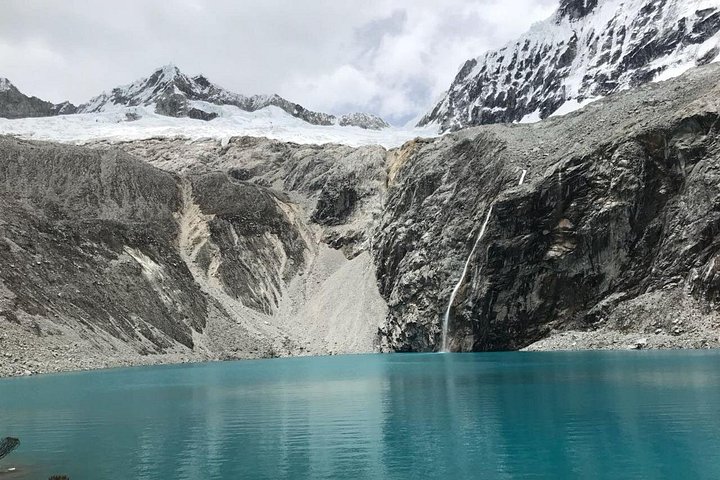
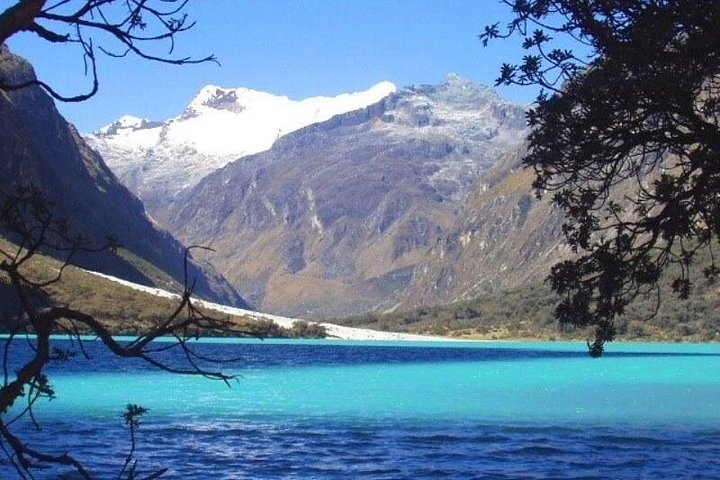
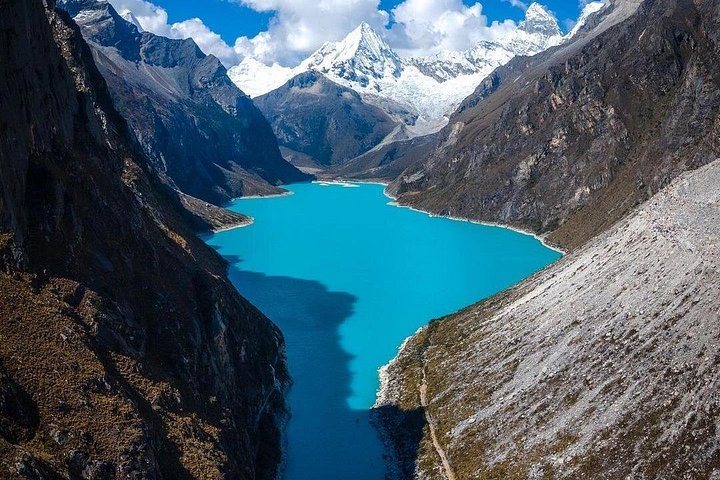
If you are interested in plants, birds or landscape photography, ask the operator whether the excursion allows extra time at Titanca. Travellers who already know the Cordillera Blanca from Laguna 69 or Llanganuco often find this a calm contrast: instead of turquoise lakes and ice faces, you get a surreal botanical landscape and a sense of how slow life moves at altitude.
It is also an easy stop for families, with a gentle path and little climbing, although the elevation still requires sensible pacing. Whichever way you visit, allow time to stand quietly among the plants rather than rushing for the next photograph.
What to expect
The experience
A short walk on a marked path through a stand of giant Puya Raimondi plants, normally combined with the Pastoruri Glacier tour.
Best time
Year-round. Rainy months bring greener grassland and possible blooms; the dry season gives clearer skies.
How long
Thirty minutes to an hour on site, within a longer day.
Tips
Keep to the path, do not touch the spines and carry warm layers. Walk slowly at 4,000 metres.
Quick picks
- Best for
- Plant lovers, photographers and anyone curious about unusual Andean landscapes.
- Families
- A gentle path with little climbing makes it one of the easier stops for children, though the altitude still counts.
- Couples
- Misty morning light among the towering flower spikes feels cinematic.
- Pair with
- Pastoruri Glacier, usually on the same route.
- Time needed
- One hour, or a full day with the glacier.
Good questions
How tall does Puya Raimondi grow?+
The flower spike can reach about ten metres, which makes it the tallest bromeliad flower stalk in the world.
How long does it take to bloom?+
Growth is slow, with the plant flowering after many decades, often cited as around a century, and dying soon afterward.
Where do I see it from Huaraz?+
The best-known stand is at Titanca near Catac, on the road to the Pastoruri Glacier, about two hours south of Huaraz.
Can I touch the plants?+
No. The leaves have sharp spines, and the plants are slow-growing and easily damaged, so stay on the path.
When is the best time to visit?+
Any season works. For blooms and green grasslands, the rainy months are good, while the dry season offers clearer views.