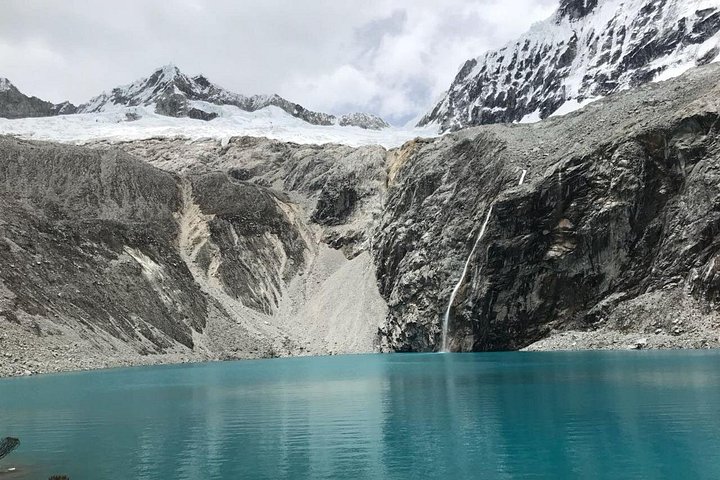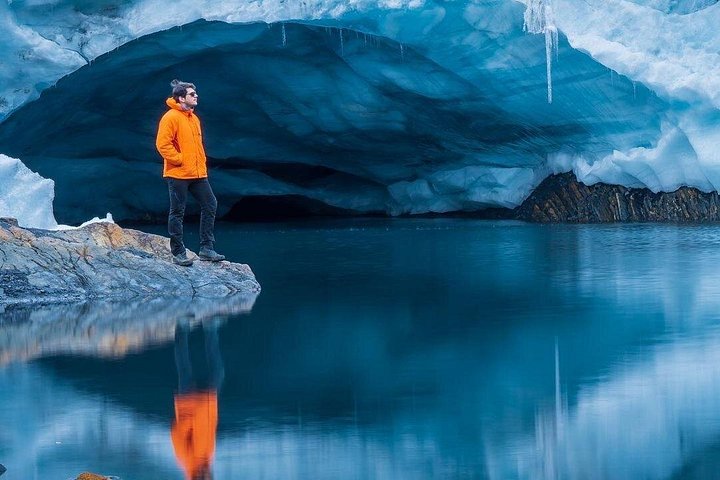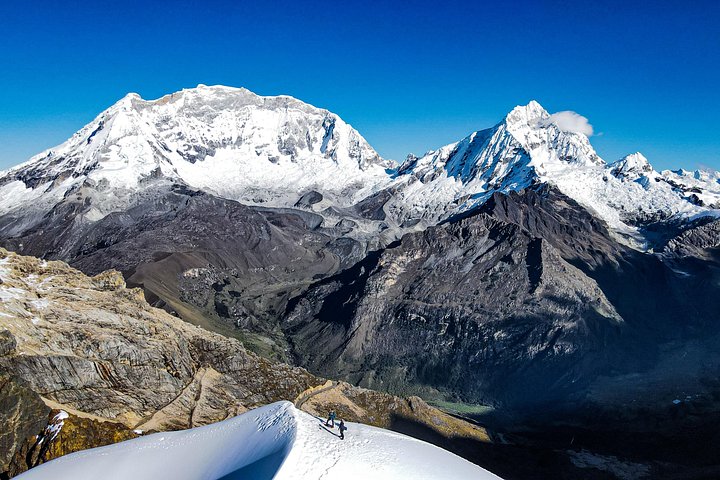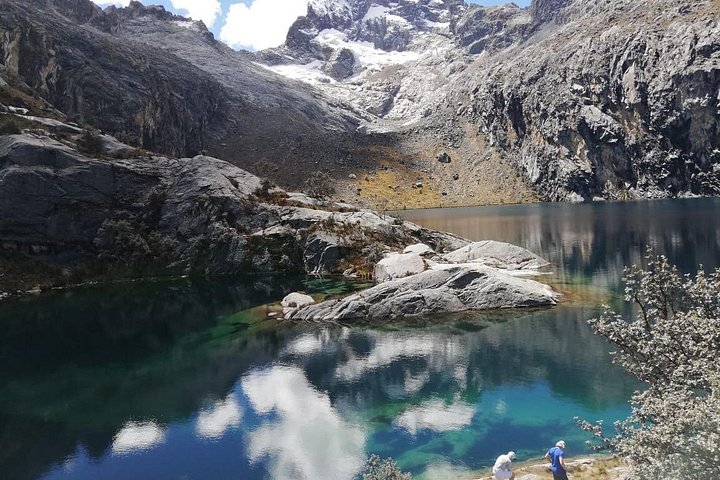
Altitude is the thing that most affects a trip to Huaraz, and also the thing most visitors underestimate. The city is about 3,050 metres above sea level. Popular outings go much higher: Laguna 69 at roughly 4,600 metres, Pastoruri Glacier near 5,000 metres and Punta Union on the Santa Cruz trek at about 4,750 metres. Understanding how the body responds and planning accordingly can make the difference between a joyful trip and a miserable one.
What happens at altitude
Air pressure falls as you climb, so each breath contains less oxygen. Your body adapts by breathing faster and eventually producing more red blood cells, but this takes days. Common symptoms include shortness of breath, a faster heartbeat, headaches, poor sleep, reduced appetite and mild nausea. These usually ease within a couple of days if you rest and hydrate. Fitness does not protect you from altitude effects, and fit people sometimes suffer more because they push too hard.
The golden rules
Go up gradually, drink plenty of water, eat lightly but regularly, avoid heavy alcohol in the first days and sleep as low as practical. Do not fly or take a quick bus from the coast and go straight to a high hike. Spend at least two nights in Huaraz before attempting anything above 4,000 metres, and ideally three or four before Laguna 69 or a trek. If you arrive from Lima, which is at sea level, the jump is significant, so take it easy on day one.
A sensible build-up
Day one: rest, walk the city and the market. Day two: a half-day hike such as Laguna Churup or a drive to Chavin and Querococha. Day three: a bigger outing such as Llanganuco, Paron or Pastoruri. Day four or later: Laguna 69, a multi-day trek or a climb. This sequence works because each step takes you slightly higher or longer than the last, and it leaves rest days when your body needs them. Climbers should aim for even more preparation, including a night or two at a higher refuge before summit attempts.
Local remedies and medicines
Coca tea is a traditional help, and you will find it offered in many hotels and cafes. Sweets and leaves are widely sold, and many guides carry them. These may ease mild symptoms, but they do not replace acclimatisation, and rules about carrying coca leaves across borders differ by country, so do not take them home. Some travellers use prescription medicine to help prevent altitude illness. Talk to a doctor before your trip, particularly if you have heart, lung or blood conditions, are pregnant or are travelling with children.
Warning signs
Mild headache and tiredness are common. A severe headache that does not ease, vomiting, confusion, loss of coordination, a wet cough, breathlessness at rest or blue lips are danger signs. They may indicate acute mountain sickness progressing to something more serious, and the only reliable treatment is to descend and seek medical help. Tell your guide immediately if you feel unwell, and do not continue to climb with serious symptoms. Descending is not failure; it is the correct response.
On the trail
Walk slower than feels necessary. Use a rhythm of steps and breaths, take short breaks, snack often and drink small amounts regularly. Wear layers so that you do not overheat or chill. Use sun protection because ultraviolet levels are high. If you are in a group, agree in advance that anyone can ask to slow down or turn back without pressure. Good guides will manage the group's pace and watch for early signs of trouble.
Sleep
Many people sleep badly in the first nights at altitude, waking often or feeling short of breath. This is normal and usually improves. Avoid sleeping pills and heavy alcohol, keep the room warm and use a pillow to raise your head slightly. Ask your hotel for extra blankets, because cold also disturbs sleep.
Children and older travellers
Children can enjoy Huaraz, but keep outings short and avoid very high destinations until they have adjusted. Older travellers should seek medical advice and consider lower-altitude excursions like Chavin, Yungay and Carhuaz. Nobody needs to reach 5,000 metres to enjoy this region.
Planning for the unexpected
Keep a spare day in your schedule, check that your insurance covers altitude and medical transport, and know where the nearest clinic is. Huaraz has pharmacies and clinics, and guides carry basic first aid, but serious cases require evacuation to a larger hospital. Preparing sensibly means you can enjoy the trip with confidence.