Huaraz is one of the great trekking bases in the world. The Cordillera Blanca and the neighbouring Cordillera Huayhuash offer routes from a single day to three weeks, among scenery that rivals anywhere on Earth. This guide explains the main options and how to prepare.
Santa Cruz: the classic
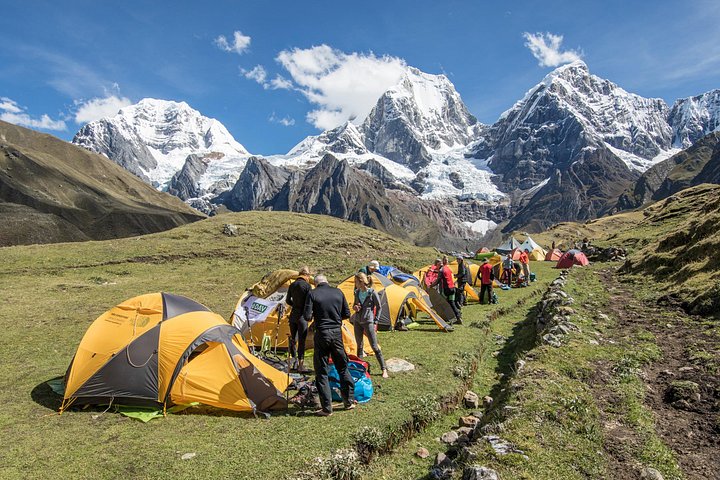
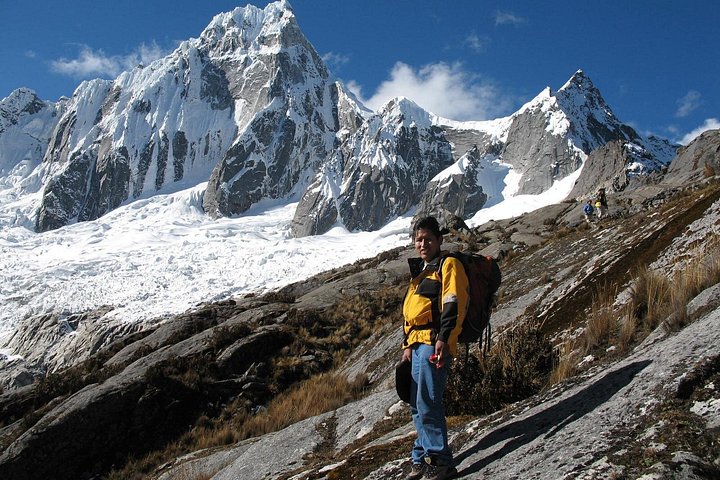
Four days and about 45 kilometres, crossing Punta Union at roughly 4,750 metres. Camps are beside rivers and under mountain walls, with views of Alpamayo, Taulliraju and Artesonraju. It is rated moderate and suits fit hikers who have acclimatised. Most tours include a cook, guide and mules, so you carry a day pack.
Huayhuash: the big circuit
Roughly 130 kilometres over eight to twelve days, with several passes above 4,700 metres, remote camps and views of Yerupaja and Siula Grande. It is demanding and not for beginners. Shorter mini-treks of three to five days sample the highlights. Community fees are charged along the route, so confirm they are included in your price.
Alpamayo and other circuits
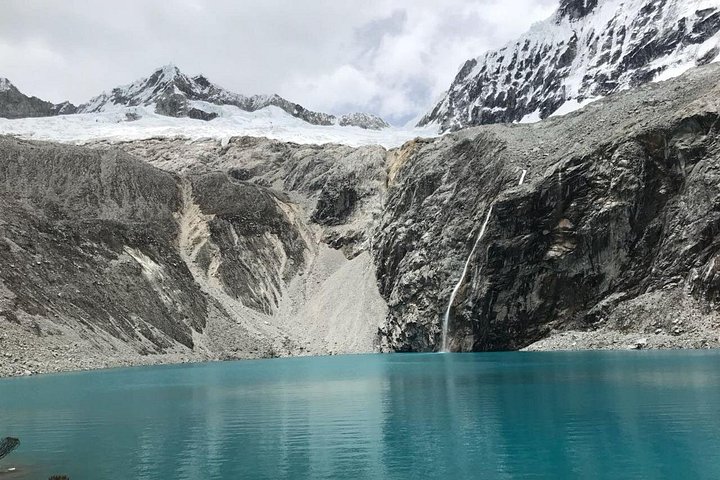
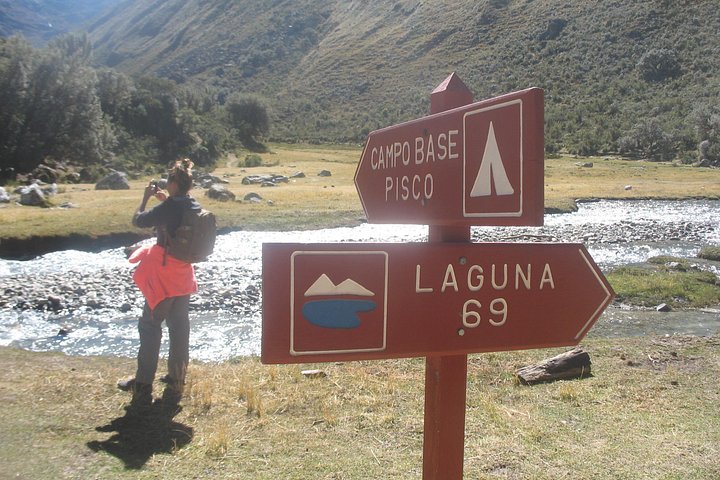
Longer treks such as the Alpamayo circuit offer quieter trails and closer views of famous peaks, though they need more time and fitness. Shorter options include Laguna Churup, Laguna 69 and three-day routes that mix lakes and passes. Think about your time: if you have a week, Santa Cruz plus acclimatisation fits nicely.
Fitness and preparation
You do not need to be an athlete, but you should be comfortable walking six to eight hours a day with a small pack. Train with hill walks and stairs in the months before. Arrive in Huaraz with at least three days to acclimatise and do one or two preparatory hikes.
Gear
A warm sleeping bag, thermal layers, waterproof jacket and trousers, a fleece or down jacket, gloves, a hat, sun protection, sturdy broken-in boots and trekking poles are essential. Many items can be rented in Huaraz, but check quality. Bring a headlamp, a water bottle, water purification tablets and a basic first aid kit. Pack light, as mules have weight limits.
Choosing an operator
Ask about group size, guide qualifications, safety equipment, emergency plans and what the price includes. Responsible operators pay fair wages to cooks and muleteers, limit weight carried by animals, carry out waste and follow park rules. Read recent reviews, compare itineraries and avoid choosing only on price. A slightly higher cost often reflects better equipment and safer practices.
Season
The dry season from May to September is best. Nights are cold, and days are clear. Outside it, trails are muddy, passes can be snowy and clouds hide views.
Leave no trace
Carry out rubbish, use toilets or follow guides' instructions, avoid washing in streams with soap and respect villagers and their animals. Buy supplies locally when you can, and tip guides, cooks and muleteers according to local custom.
If you are not ready for a trek
Many travellers enjoy shorter hikes and scenic drives instead. Llanganuco, Paron, Pastoruri and Churup show the same mountains with less commitment. You can always return for the longer routes.
A sample week
Arrive in Huaraz and rest on day one. On day two walk to Laguna Churup, then visit Chavin on day three for a lower-altitude cultural break. Day four, try Llanganuco or Pastoruri for a taste of the thin air in comfort. Day five, rest, shop for final supplies and confirm your trek details. Days six to nine, walk Santa Cruz, and use day ten to recover with a thermal soak and a long dinner. This sequence keeps risk low and gives the best chance of a successful trek.
Safety on multi-day routes
Tell someone your itinerary, carry a charged phone or satellite device if your operator recommends one, and ask what the evacuation plan is. Mountain weather can change within hours, and rivers rise after rain. Your guide will adjust the route if conditions demand it, and you should accept those decisions even if they disappoint you. Travel insurance that covers trekking at altitude and emergency transport is strongly advised, so read the policy limits before you leave home.
Food and water
Cooks on organised treks prepare hot breakfasts, packed lunches and three-course dinners, often better than you would expect on a mountain. Tell the operator about dietary needs in advance. Water is usually boiled or treated, but carry your own purification tablets or filter as a backup. Pack snacks you like, because appetite can fade at altitude and familiar flavours help.
After the trek
Most hikers return to Huaraz tired, sunburnt and delighted. Plan a rest day with a hot shower, laundry, a market visit and a proper meal. Tip your team if you were happy with their work, and leave honest, helpful feedback for the operator. Many people book a second, easier outing before they leave, such as Llanganuco or a food tour, to celebrate and wind down.