Three days is the minimum for Huaraz, and the order matters more than the list. The city sits at about 3,050 metres, the best-known excursions climb to 4,600 metres and beyond, and the people who enjoy the trip most are the ones who build height gradually. The plan below puts an easy day first, a medium day second and the headline hike third, so that your body has time to adapt before the hard part.
Day one: arrive, wander and rest
If you arrive on the early bus from Lima you will probably feel tired, so keep the first day simple. Take a slow walk around the Plaza de Armas, visit the central market and eat a light lunch. A private city tour is a good way to see the sights while moving gently, and it helps you find pharmacies, cash machines and gear shops. Drink water, avoid heavy meals and alcohol and go to bed early. If you feel energetic by late afternoon, a short walk uphill to a viewpoint tests how your lungs are coping without wearing you out.
Day two: a medium day at height
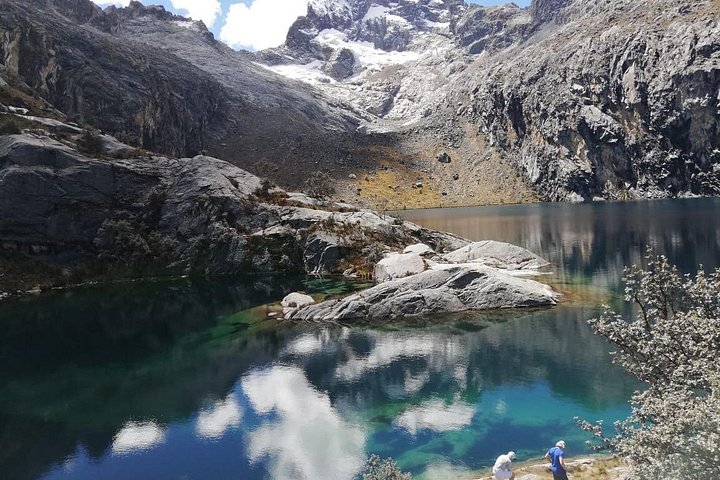
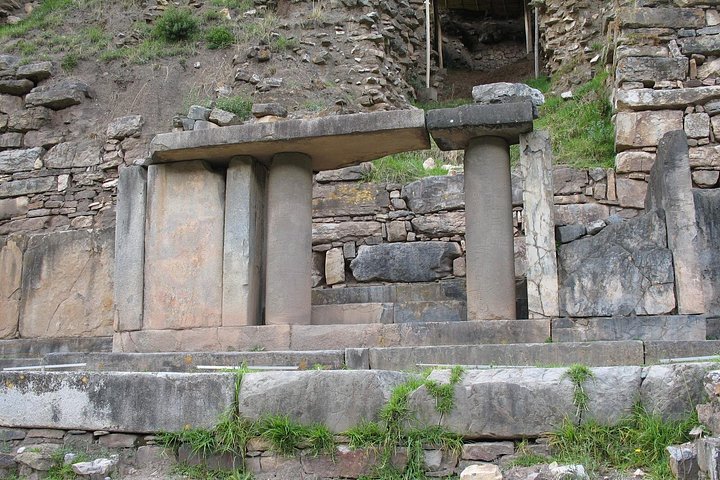
You have two good choices. The first is Laguna Churup, a half-day hike to about 4,450 metres with a short rope-assisted scramble, which gives a real feel for altitude and finishes by early afternoon. The second is a day on the road to Chavin de Huantar, which crosses the range at about 4,500 metres, stops at Querococha Lake and ends at a World Heritage temple. Both leave your legs fresh while exposing you to thin air. If you prefer scenery to effort, a Pastoruri Glacier day with the Puya Raimondi forest is a third option, though it goes higher than almost anything else you can do by vehicle.
Day three: the big day
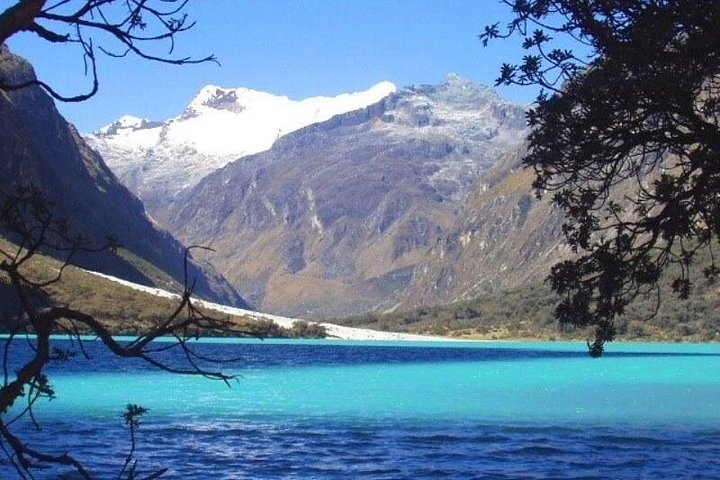
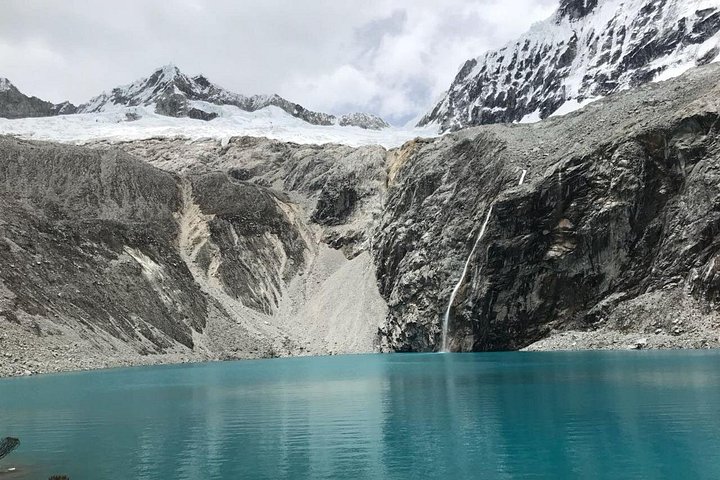
With two nights behind you, Laguna 69 becomes realistic. The minibus leaves before dawn, the trail climbs for three to four hours and the turquoise lake beneath Chacraraju is the payoff. Take layers, rain gear, lunch, water and cash for the park fee. Walk slowly, stop often and turn around if you feel seriously unwell. Descending is faster, but the drive home is long, so plan a quiet dinner and an early night. If you would rather have a gentler day, Llanganuco Lakes shows similar scenery with short flat walks.
If you have more time
A fourth day can be a rest day with a horse ride, a food tour or a visit to the Monterrey thermal baths. A fifth might be Laguna Paron, a drive to the biggest lake in the range, or a cultural day to Yungay and Caraz. For mountaineers, Nevado Mateo is a good one-day introduction to glacier climbing after you have spent four or five nights at altitude. For trekkers, the four-day Santa Cruz trek is the classic next step and usually needs a week in total once you include acclimatisation.
If you have less time
With only two days, pick one high-altitude highlight and one gentler outing. Many visitors choose Llanganuco or Pastoruri for their scenery and keep the climb for another trip. Avoid trying to squeeze Laguna 69 into the first full day after a long bus ride, because altitude sickness is real and can ruin the experience. Tell the tour operator how long you have been in Huaraz so they can advise sensibly.
Practical notes
Book tours the day before or ask your hotel to arrange them, as most operators run small groups and fill popular departures in the dry season. Carry small notes, because many shops and restaurants cannot change large bills. Bring a reusable bottle, sun protection and a warm hat even for day trips, and keep a light rain jacket in your bag. Eat well, especially carbohydrates, and try local dishes such as trout, soups and pachamanca. Do not rush; the mountains will be there tomorrow, and the best days are the ones where you have the energy to enjoy them.
What to do in the evenings
Huaraz has a relaxed night scene. Cafes serve strong coffee and pizza, restaurants offer trout and set menus, and a few bars host live music at weekends. Most visitors are in bed early because of dawn departures. Use the evening to check the weather forecast with your guide, repack your bag and confirm pickup times. Nights are cold, so bring a jacket and ask your hotel about heating or extra blankets.
Choosing hotels
A central hotel is easiest for a three-day trip, because tours collect guests near the plaza and you can walk to dinner. If you prefer quiet, Monterrey or Anta offer calmer bases a short ride away. See the hotel pages for options at different budgets.