Huế has a very distinct climate, and choosing the right season makes a bigger difference here than in many other Vietnamese destinations. The city sits on the central coast, where the dry months are warm and bright and the wet months can be rainy, grey and, in some years, flooded. This guide explains the seasons, the trade-offs and how to plan for each.
Spring: the sweet spot
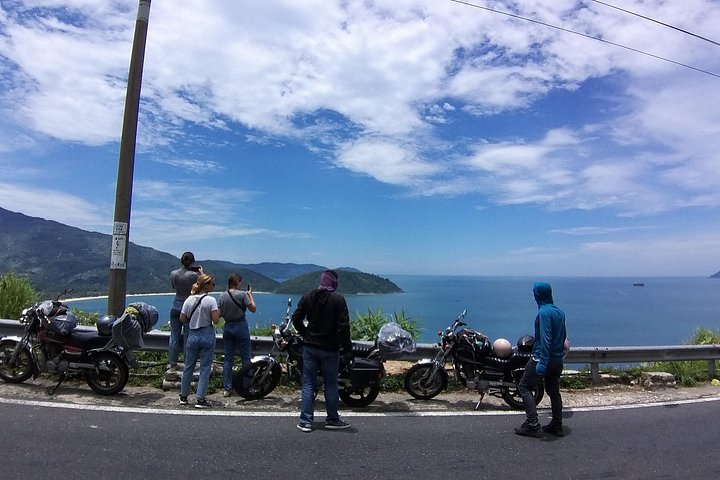
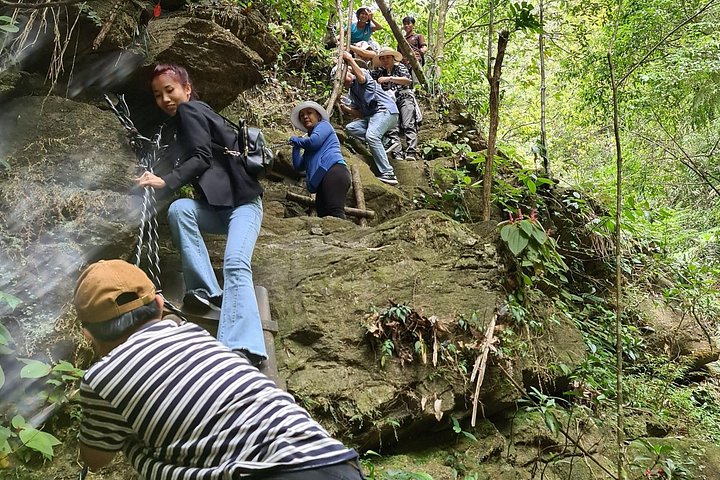
The months from roughly February to April are widely considered the best for visiting. Temperatures are mild to warm, the skies are often clearer and rain is lighter, which makes walking the citadel, visiting the tombs and riding the Hai Van Pass much more pleasant. The countryside is green, and the trekking trails in Bach Ma National Park are in better shape. Spring can be busy around the Lunar New Year, known as Tet, when many locals travel and some restaurants and shops close for several days, so book hotels and transport early and expect a quieter, more family-focused city.
Early summer: bright and warming
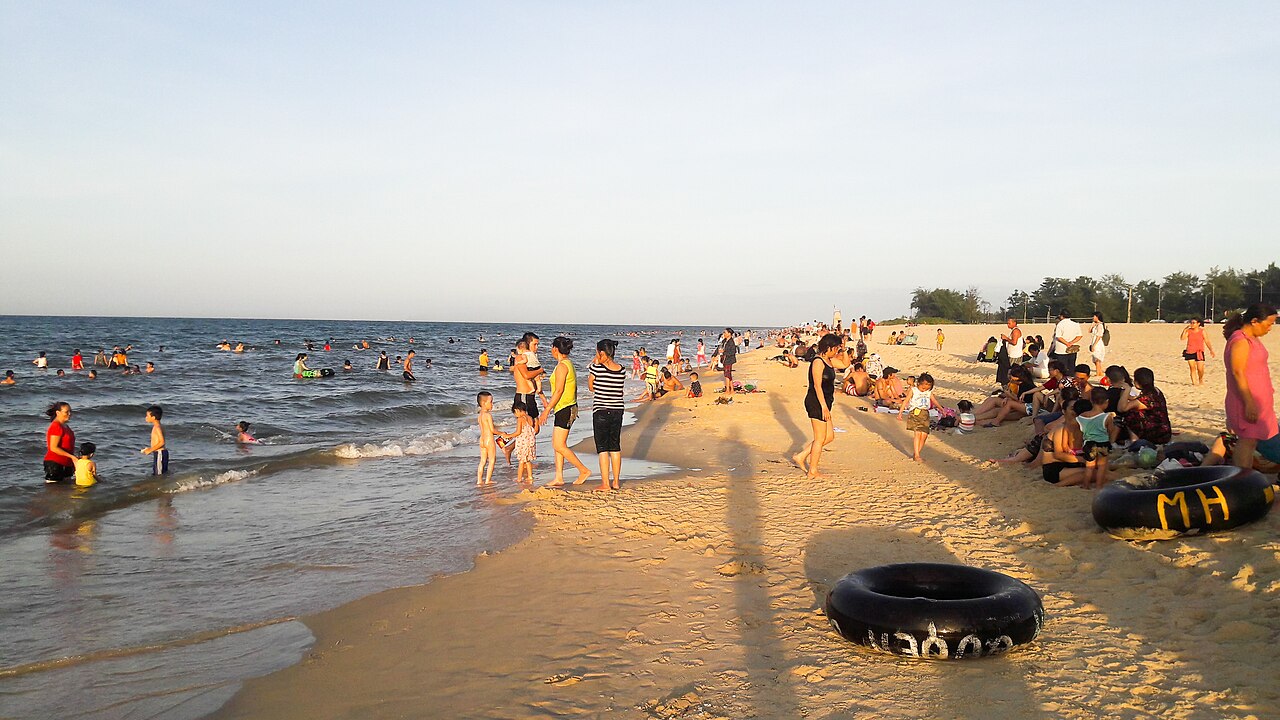
From roughly May to August, Huế gets hot and sunny, with high humidity. The heat is strongest in the middle of the day, so plan your sightseeing for early morning and late afternoon, and take a long lunch break. This is a good season for beach time at Thuan An and for river cruises in the evening, and the long days give you more hours of light. Bring sun protection, a hat and plenty of water. Cooler cafes and hotel pools become valuable in the afternoon.
Autumn: the wet season
The period from roughly September to December is the rainiest, and central Vietnam is vulnerable to storms and flooding in these months. Rain can be heavy for days, rivers can rise, roads can close and outdoor sites can shut temporarily. Mountain trips, such as Bach Ma and the Hai Van Pass, can be wrapped in cloud, and cave trips can be disrupted by high rivers. That does not mean you cannot visit. Fewer crowds, lower prices in some places and lush scenery are real benefits, and indoor activities such as cooking classes, museums, spas and long meals are excellent. If you travel in these months, choose flexible bookings with free cancellation, check the forecast daily and keep a spare day in your schedule.
Winter: cool and changeable
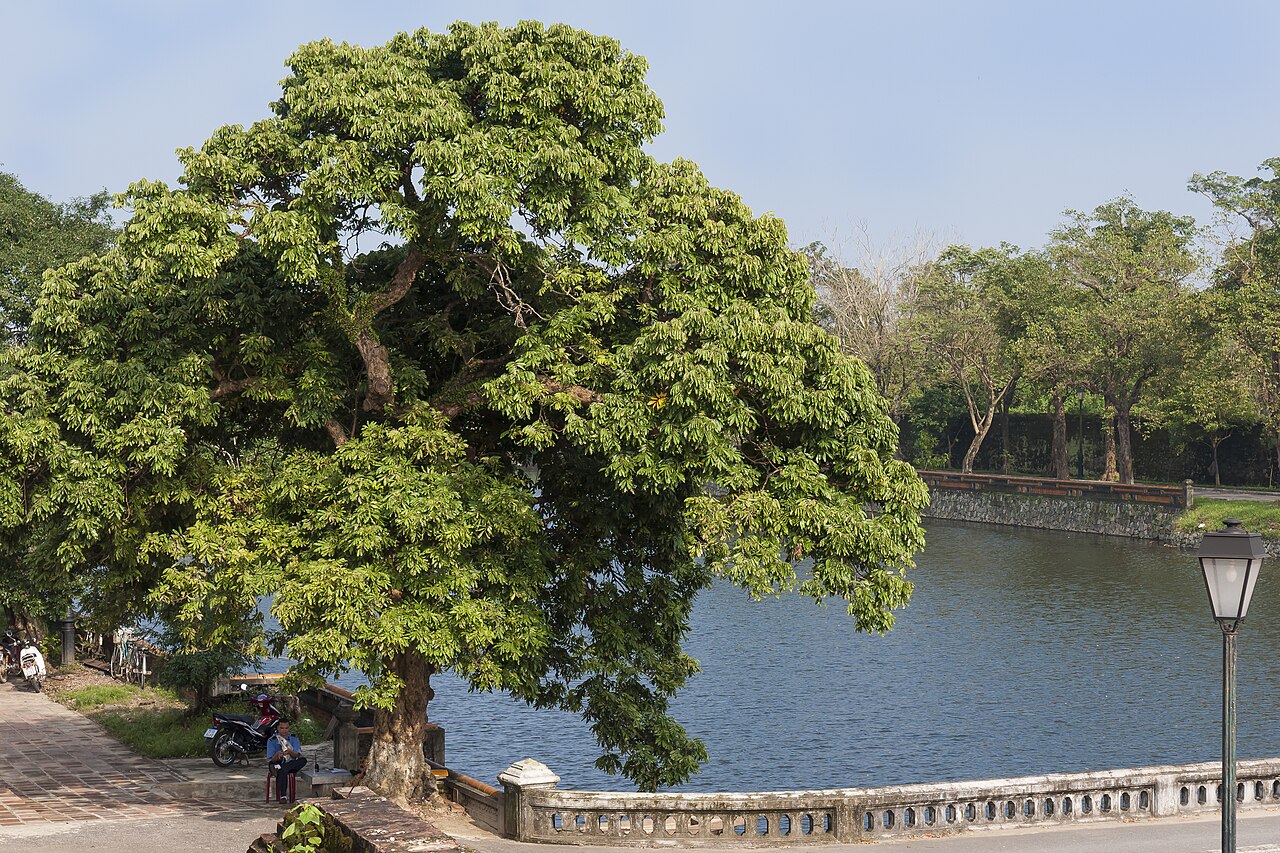
From roughly December to February, the weather can turn cool, damp and overcast, with drizzle that suits the moody atmosphere of the old capital. Evenings can feel chilly by Vietnamese standards, so bring a light jacket and long sleeves. Views from mountain roads can be hazy, but the city itself, with its misty river and quiet streets, has a distinctive charm.
Festivals and events
The Lunar New Year is the most important holiday, and the city decorates streets and temples. Huế also has a cultural festival that brings performances, exhibitions and street events to the old city and the citadel, held in different seasons, so check the schedule before you plan around it. Religious festivals at pagodas are held through the year, and visitors are welcome if they dress modestly and behave respectfully.
What to pack
In any season, bring lightweight clothing that covers shoulders and knees for temples and tombs, comfortable walking shoes with grip and a hat. In the wet months, add a rain jacket, a small umbrella, quick-drying clothes and a waterproof cover for your bag. In the cooler months, add a light fleece. Year round, pack insect repellent, sun protection and a refillable water bottle.
How to book
For a spring trip, reserve hotels and popular tours a few weeks ahead, particularly around Tet. For an autumn trip, favour refundable rates and day tours with generous change policies, and ask your hotel about flood arrangements. Whatever the season, start your outdoor days early, build in a rest period at midday and treat the weather as part of the experience rather than an obstacle.
A simple rule of thumb
If you can choose, visit between February and April for the best balance of weather and crowds, and accept a little rain in May or June as the price of lower prices. If your dates are fixed in the wet season, treat Huế as an indoor and outdoor city: pair each outdoor morning with a covered afternoon, such as a museum, a spa or a cooking class, and you will rarely lose a whole day to the weather.