Three days is the ideal length for Huế. It gives you enough time to see the big imperial sights without rushing, to taste the local food properly and to step out into the countryside, yet it is short enough to fit into a wider trip between Hanoi and Hoi An. The plan below keeps the mornings for the big outdoor sights, when it is cooler, and leaves the afternoons for rest, markets and the river. Each day has a wet-weather swap, because central Vietnam's flood season runs roughly from September to December and the city can see heavy rain in those months.
Day one: the citadel and the river
Start at the Imperial City as early as you can. Walk the central axis from the Ngo Mon Gate to the Thai Hoa throne hall, explore the ruins of the Forbidden Purple City and look for the bronze urns. A guided walk makes the history easier to follow, and two to three hours is enough for the main sights. Have lunch in the old town, then rest through the hottest hours. In the late afternoon, walk through Dong Ba Market, where you can see the produce, dried goods and handicrafts, and finish with an evening Perfume River sailing or a folk music dinner cruise. If the weather is wet, shorten the citadel visit, spend more time in the covered galleries and museum rooms, and move the cruise to another evening.
Day two: pagodas, tombs and villages
Spend the second day in the hills and countryside south and west of the city. Begin at Thien Mu Pagoda on the river, with its seven-storey tower, and continue to the royal tombs. If you only choose two, make them Khai Dinh, with its ornate mosaic interior, and Tu Duc, with its lakeside pavilions. Hiring a car and driver, or joining a small-group tour, is the easiest way to link them, because the tombs are spread out. For a quieter touch, stop at Tu Hieu Pagoda, a Zen monastery among pines, which is usually free to visit. Return to the city in the late afternoon and eat somewhere you have not tried yet. In wet weather, choose the tombs with covered walkways and halls, and keep a rain jacket in your bag.
Day three: choose your adventure
The third day is where Huế rewards different tastes. History lovers can join a full-day DMZ tour to the Vinh Moc tunnels and the old battlefields. Nature lovers can trek in Bach Ma National Park or, with time and good weather, take the long day to Paradise Cave and Phong Nha. Motorbike fans can ride the Hai Van Pass, a spectacular coastal road, while those who prefer a gentle day can cycle to Thanh Toan Bridge and the rice fields, join a cooking class or relax at Thuan An beach. If the rain is heavy, a cooking class, a museum visit and a long lunch are the best fallback, and the cloud-prone mountain trips are the ones to postpone.
Where to eat
Build each day around a few Huế specialities. Try bun bo Hue, the famous spicy beef noodle soup, at breakfast, small steamed rice cakes and savoury pancakes at lunch, and a street food tour or a night market snack crawl in the evening. Many places close early in the evening, so do not leave dinner too late. Vegetarian restaurants near the pagodas are excellent, and a cooking class on any of the three days is an enjoyable way to learn more.
Where to stay
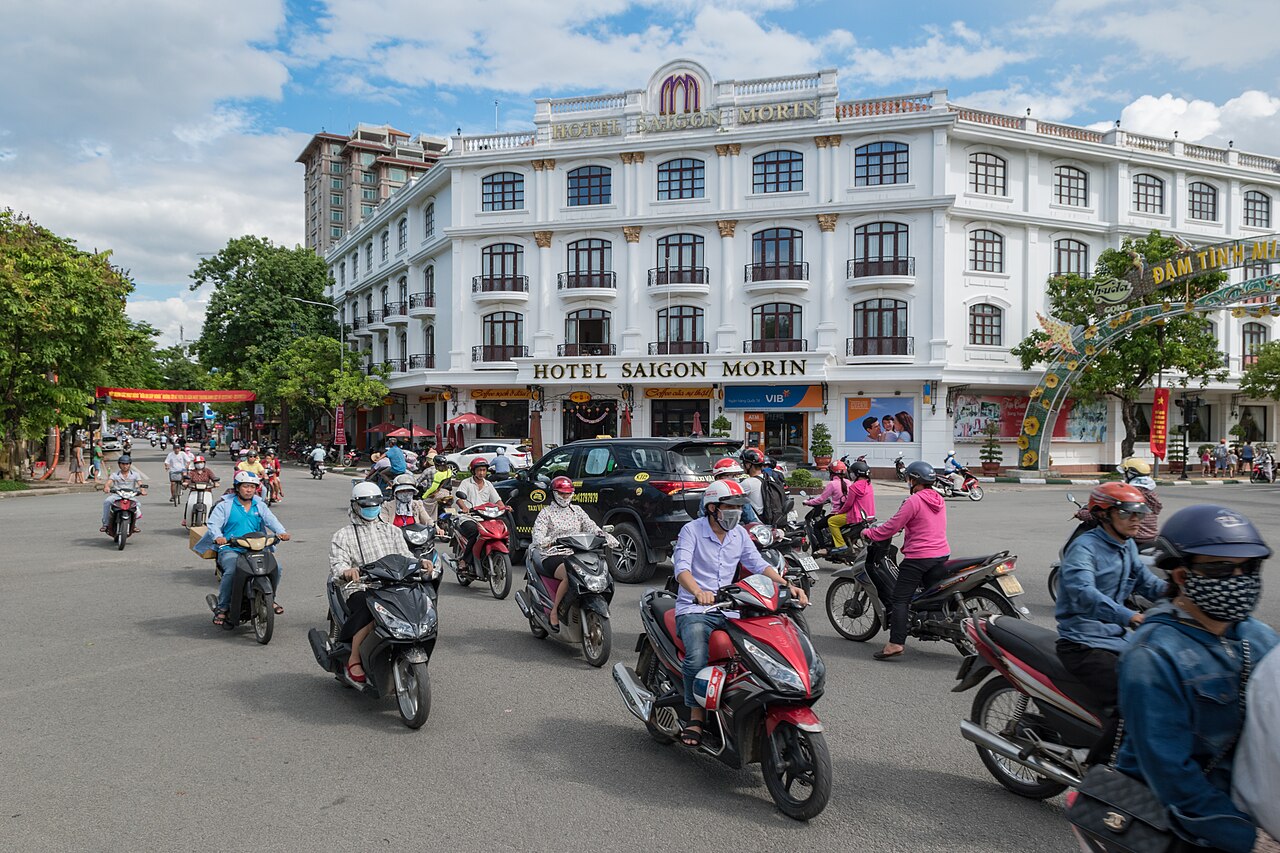
For a three-night stay, the south bank puts you within walking distance of restaurants and the river. Hotel Saigon Morin and the riverside boulevard hotels are classic choices, while Imperial Hotel Huế or Melia Vinpearl Huế give you a polished, central base with a pool. If you want to wake up among pines, the resorts near the tombs are quieter but need taxis for dinner.
Practical tips
Start early, carry water, dress modestly for pagodas and tombs, and keep small notes for entry fees, snacks and boat rides. Combination tickets for the citadel and several tombs are sold at the gates and can save money if you plan to visit more than one. Plan the outdoor days for the driest forecast and keep one day flexible, because rain and river levels can move the schedule. If you can, leave a free half-day at the end, since Huế is a city that rewards slow wandering.