Huế is widely regarded as one of Vietnam's great food cities, and many travellers say the meals are as memorable as the monuments. The cuisine grew out of the imperial court, where cooks were asked to produce dishes that were beautiful, balanced and served in small portions, and from the humbler traditions of the surrounding countryside and the temples. The result is a style that is more delicate, more colourful and often spicier than the food of other regions. This guide covers the dishes to look for, the best ways to find them and how to eat well on any budget.
Start with the noodle soups
Bun bo Hue is the city's signature, a rich lemongrass-scented broth with thick round noodles, slices of beef and pork and a spoonful of chilli paste. Eat it for breakfast, as locals do, with a plate of fresh herbs, shredded banana flower and a wedge of lime. Other noodle dishes include a thicker-noodled soup of crab or shrimp and a lighter vegetarian version. Each shop has its own recipe, so try more than one, and follow the crowds.
Taste the small dishes
Huế is famous for tiny plates. Look for banh beo, little steamed rice cakes topped with dried shrimp and spring onion oil, banh nam and banh loc, which are steamed parcels of rice dough and filling, and banh khoai, a crisp pancake served with a thick dipping sauce. Nem lui, grilled lemongrass pork skewers that you wrap in rice paper with herbs, is another classic. These dishes are meant to be ordered in plenty and shared, so go with friends and try several in one sitting.
Try the royal flavours
A few restaurants specialise in dishes that echo the court kitchen, with elaborate presentation and balanced flavours. Set menus are usually the best way to sample them, and they are a good option for a special evening. For a gentler, more affordable taste, a cooking class teaches the thinking behind these dishes and lets you make some yourself.
Do not overlook vegetarian food
Huế has a long Buddhist tradition, and vegetarian restaurants, especially near the pagodas, serve inventive dishes with mushrooms, tofu, vegetables and herbs. They are cheap, delicious and an excellent choice if you are vegetarian or just want a lighter meal. Many are open at lunch and close early, so plan accordingly.
Markets and street food
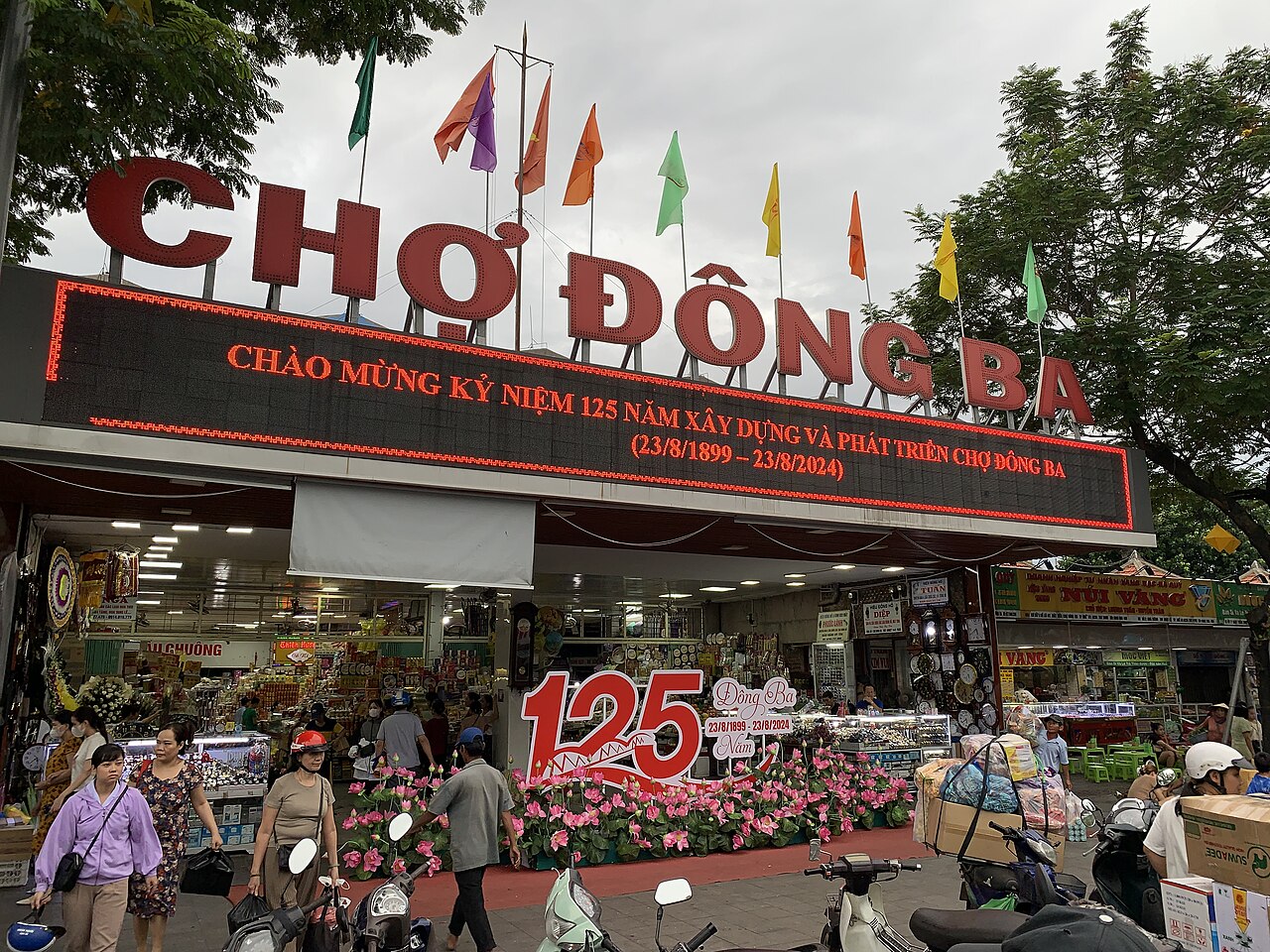
Dong Ba Market is a good place to see ingredients, sample snacks and pick up local sweets and dried goods. The evening street food scene is lively around the walking-street area and the streets near the river, where stalls serve grilled skewers, sweet soups and snacks late into the evening. A guided street food tour, on foot, by cyclo or by scooter, is a dependable way to try many dishes in a short time with someone who knows the best stalls. Choose busy stalls with fresh turnover, wash your hands and carry a small amount of cash.
Coffee, tea and drinks
Vietnamese coffee is strong, so try it with condensed milk, on ice or hot. Egg coffee and coconut coffee are popular and rich enough to count as dessert. Cafes in the old town are good places to rest through the heat of the day, and many have garden seating. You can also try lotus tea and local herbal drinks, and the regional beer is cold and light, a good partner for grilled dishes in the evening.
Learning to cook
A hands-on cooking class is one of the most rewarding food experiences in Huế. You will usually learn to make three or four dishes, sometimes after a market visit, and eat what you cook. Hosts adapt menus for vegetarians and other dietary needs if you tell them in advance. It is also a wise choice for a rainy day.
Practical advice
Many popular places open early and close in the afternoon or early evening, so check hours. Prices are generally low, but ask before ordering items sold by weight, such as seafood. Spice levels vary, so ask for less chilli if you are sensitive. If you have allergies, write them in Vietnamese or show them on your phone. Drink bottled or filtered water, and avoid ice in places you are unsure about.
A sample food day
Begin with bun bo Hue at a busy noodle shop, then walk through Dong Ba Market for fruit and snacks. Take a cooking class or a long lunch of small plates, rest through the afternoon heat and return in the evening for a street food tour, finishing with a sweet soup or a coffee by the river. Keep your appetite flexible, because portions are small and the best stalls reward an unhurried approach.