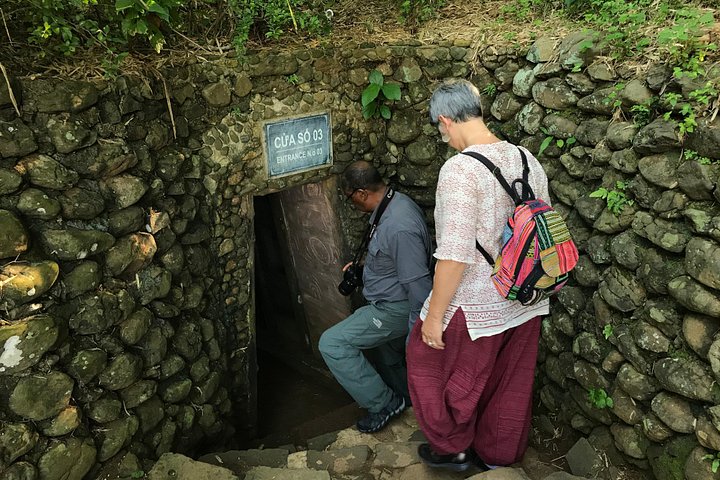
For many visitors, the history of the twentieth century is part of why they come to central Vietnam. Huế sits close to the former dividing line between north and south, and the area around it holds some of the most significant sites of the war. A visit can be sobering, and a good guide makes the difference between a long drive and a real understanding. This guide explains what there is to see, how the tours differ and how to approach the day.
Start in the city itself
The Imperial City was damaged heavily in the fighting of early 1968, when the Tet Offensive reached Huế and the city was contested for weeks. Much of the inner palace was destroyed, and the restoration work you see today is part of the response. Walking through the courtyards with a guide who explains the layers of history, from the dynasty to the battle to the rebuilding, is a good first step. Other parts of the old city carry reminders too, and local guides often share family stories.
Understand the geography
The former demilitarised zone followed the Ben Hai River, roughly along the seventeenth parallel, north of Huế. The area on either side saw intense fighting, bombing and displacement. A day tour from Huế is a long drive north, usually with a start in the early morning. The tours are popular because they gather a number of sites into one day, but the distances mean that you spend several hours on the road, so choose a tour that is realistic about time.
The usual stops
Standard tours often include the Vinh Moc tunnels, where villagers dug a network of passages to survive bombing, living underground for long periods. Walking through the narrow, humid tunnels gives a physical sense of the experience. Other stops commonly include the Khe Sanh combat base, a site in the highlands associated with a major siege, and a bridge over the Ben Hai River that symbolises the old division. Depending on the operator, you may also visit memorials, cemeteries or museums. Check the itinerary when you book, because they differ.
Consider Quang Tri
The Quang Tri Citadel was the scene of a prolonged battle in 1972 and is now a memorial. A trip that combines the citadel with the tunnels gives a different view from the classic Khe Sanh route, and it may suit those who have already done a DMZ day or who prefer a quieter itinerary. Guides explain the history carefully, and the contrast between the calm setting and the events is striking.
Choosing a tour
Group tours are the best-value option and a good way to share the day. Private tours cost more but allow you to set the pace, choose the stops and ask as many questions as you like. Small groups tend to work better than large coaches at the tunnels. Read the itinerary for the time spent at each stop, the lunch arrangements and whether entrance fees are included. Ask about the guide's background and approach, since you will spend the day with them. Travel with water, sun protection and closed shoes.
Approach with respect
These are places of loss for many families, and some of the land still contains unexploded ordnance, so stay on marked paths and follow your guide's instructions. Keep your voice low, ask before taking photographs of people and avoid treating the sites as backdrops. Be prepared for strong emotions, especially in the tunnels and at cemeteries. If you have claustrophobia or mobility concerns, tell the operator before you book, as parts of the tunnels are narrow and uneven. Children can join if they are old enough to handle the subject, but the day is long.
Balance the day
The war is one thread in a much longer story. After a heavy day, spend an evening on the river, enjoy a simple dinner and see the citadel again with fresh eyes. Many travellers find that the history makes the city feel more alive. In the flood season, roughly September to December, heavy rain can affect the roads and the sites, so choose flexible terms and keep a spare day in your plan. Pairing the history day with a cooking class or a quiet temple visit gives balance and a chance to reflect.