Inverness is a year-round city, but what you can do around it changes a great deal with the seasons. Summer brings very long days, every tour and boat running and the Highland Games; winter brings short days, quiet roads, lower prices and the chance of snow on the hills. For most visitors, the best balance is in May, June and September.
Spring (March to May)
Days lengthen quickly in spring, and by May there is daylight from early morning until late evening. Tours, cruises and seasonal attractions return to full timetables around Easter, the hills are still capped with snow early in the season and the lambs are out in the fields. May is often one of the drier months in the Highlands and comes before the midges build up, which makes it a favourite for touring and walking. Book Urquhart Castle and the popular day tours ahead, since spring is busier than it used to be.
Summer (June to August)
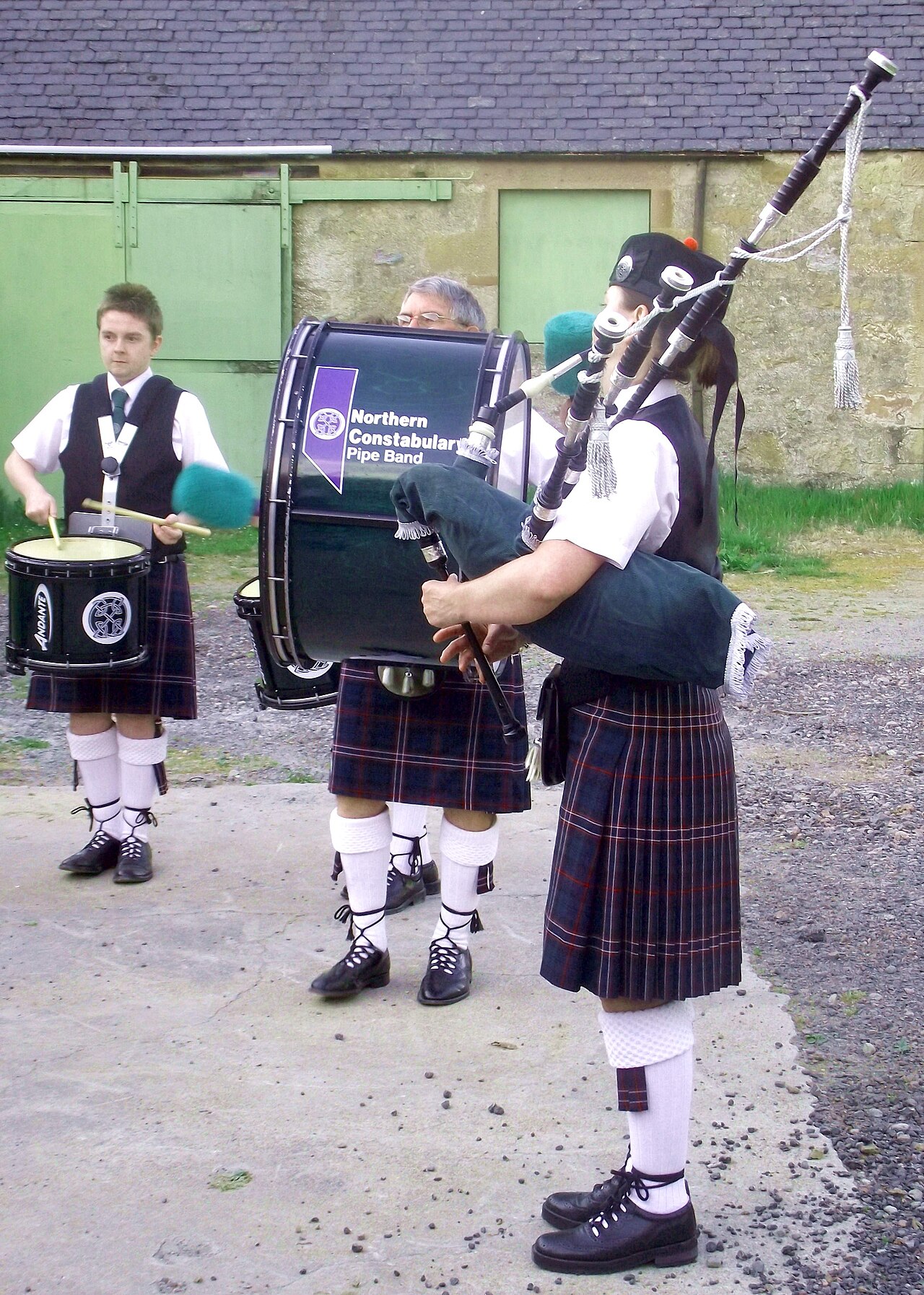
Summer is peak season. Around midsummer, the sky barely darkens at night this far north, which means very long days for touring Skye or Glencoe. Every attraction is open, the Loch Ness cruises run frequently and the Inverness Highland Games, one of the oldest gatherings in Scotland, takes place in July with piping, dancing and heavy events. The trade-offs are crowds at Urquhart Castle and on the Skye roads, higher hotel prices and midges in the glens on still evenings. Book hotels, tours and castle tickets well in advance.
Autumn (September to October)
September is many people's favourite month. The summer crowds thin, prices start to ease, the midges fade and the bracken and birches turn gold. Days are still long enough for the big tours. October brings more rain and shorter days, and some seasonal businesses reduce their hours or close for the winter, but the autumn colour in the glens and the red deer rut in the hills make it a rewarding time for photographers.
Winter (November to February)
Winter in Inverness is dark and quiet, with only about seven hours of daylight around midwinter and frequent wind and rain, and snow in the hills that can affect the higher roads. Some tours run less often or pause, and opening hours at attractions are shorter, so check before you go. In return you get low hotel prices, uncrowded castles and a cosy city of pubs and fires. Inverness Castle, Culloden and Urquhart Castle open year-round on winter hours, and long-distance tours to Skye still run in reasonable weather.
Christmas and Hogmanay
December brings Christmas markets and festive events across the area, including the market traditionally held at Cawdor Castle in mid-December, and the Victorian Market is busy with shoppers. The large free Hogmanay street party that the city once hosted no longer runs, but hotels, pubs and Eden Court theatre hold ceilidhs and dinners to see in the New Year. Book festive dinners well ahead.
Midges and weather
The Highland midge is at its worst from late May to early September on calm, damp days, especially in the glens at dawn and dusk; it is less of a problem in the city and on breezy coasts. Whatever the month, weather in the Highlands changes quickly, so bring a waterproof layer and plan a wet-weather option such as Inverness Castle, the Loch Ness Centre or a whisky tour.
Our pick
Go in May, June or September for long days, open attractions and manageable crowds. Choose July or August if you want the Highland Games and can book well ahead, and choose winter for low prices and quiet castles, accepting short days and the need to plan around the weather. Our first-timer's guide and three-day itinerary work in any season.
Wildlife by season
The Moray Firth's bottlenose dolphins can be seen all year, but the best months to watch them from Chanonry Point are roughly May to September, especially on a rising tide. Ospreys return to the Highlands from spring to late summer, red squirrels are easiest to spot in autumn, and the red deer rut fills the glens with roaring stags from late September into October. Seabird colonies are busiest in early summer. In winter, geese and wading birds gather on the firths, and on clear, dark nights there is even a chance of seeing the northern lights from the coast north of the city.