Three days is the sweet spot for Inverness. The city is small and easy to walk, but its reputation rests on what lies around it: Loch Ness to the south-west, the battlefield at Culloden and the prehistoric cairns at Clava to the east, Fort George on the Moray Firth and, further out, the Isle of Skye and Glencoe. This plan gives one day to each direction and fits the city into the mornings and evenings.
Before you go
Book the things that sell out first. Urquhart Castle tickets are released online and can be gone weeks ahead in the busy months, and parking there is tied to your booking. The popular small-group tours to Skye and Glencoe also fill early. Reserve your Loch Ness cruise and, if you want it, the Speyside whisky day before you travel, and book dinner for your first evening, since the best-known restaurants fill on summer weekends.
Day one: Loch Ness
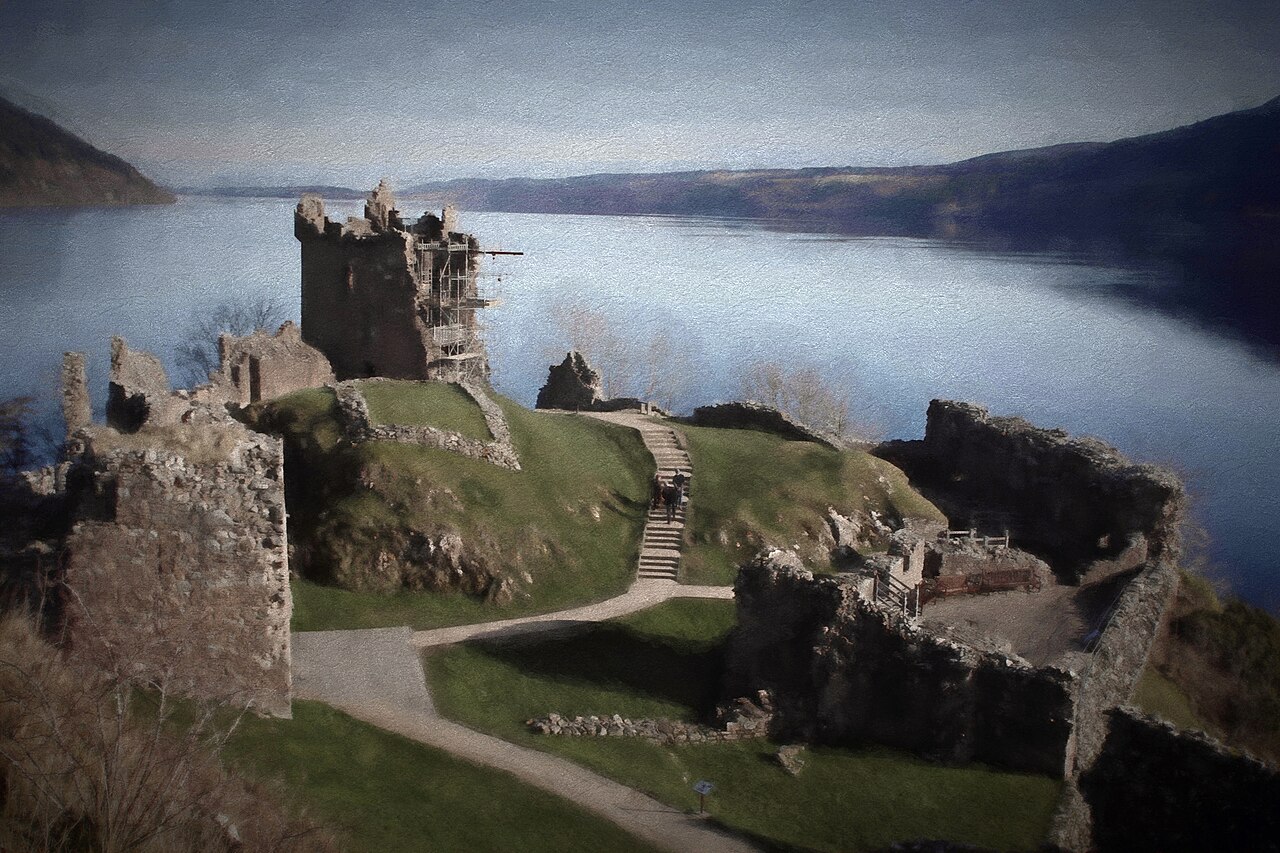
Start with a two-hour Jacobite cruise from Dochgarroch Lock, a few miles south-west of the city, which sails along the Caledonian Canal and out onto the dark water of the loch. Continue by road to Urquhart Castle, the ruined fortress on a headland above Loch Ness, where you can climb the Grant Tower and look down the length of the loch; allow one and a half to two hours. In Drumnadrochit nearby, the Loch Ness Centre tells the story of how the loch formed and the long history of the monster hunt in about an hour. If you are not driving, buses run along the loch road to Drumnadrochit, or you can combine the cruise and castle on a single organised trip. Back in Inverness, walk the river path to the Ness Islands, a string of wooded islands linked by footbridges, before dinner.
Day two: Culloden, Clava Cairns and Fort George
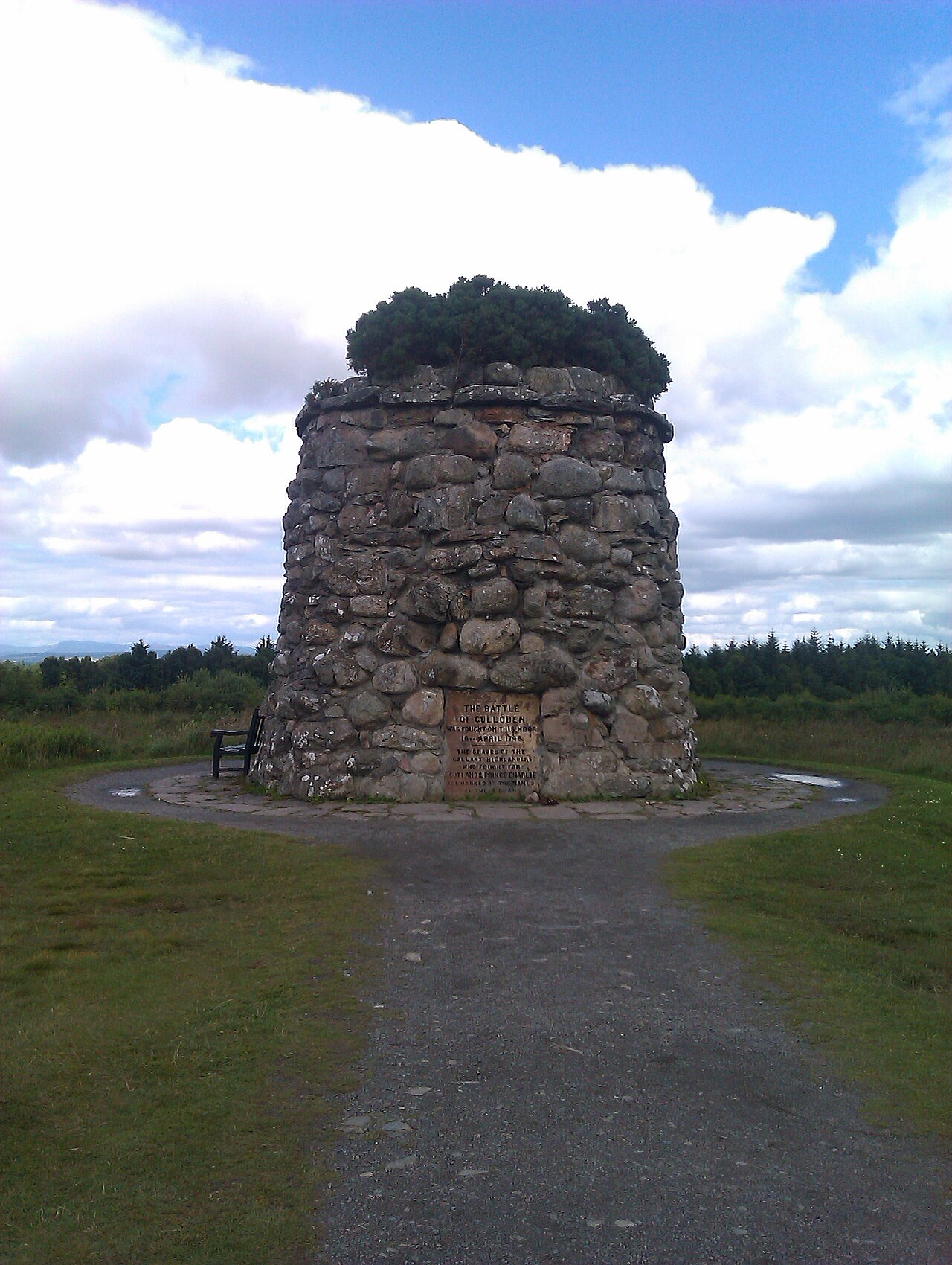
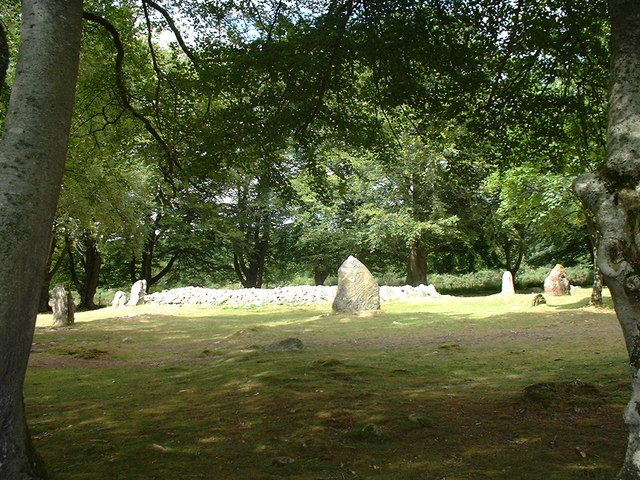
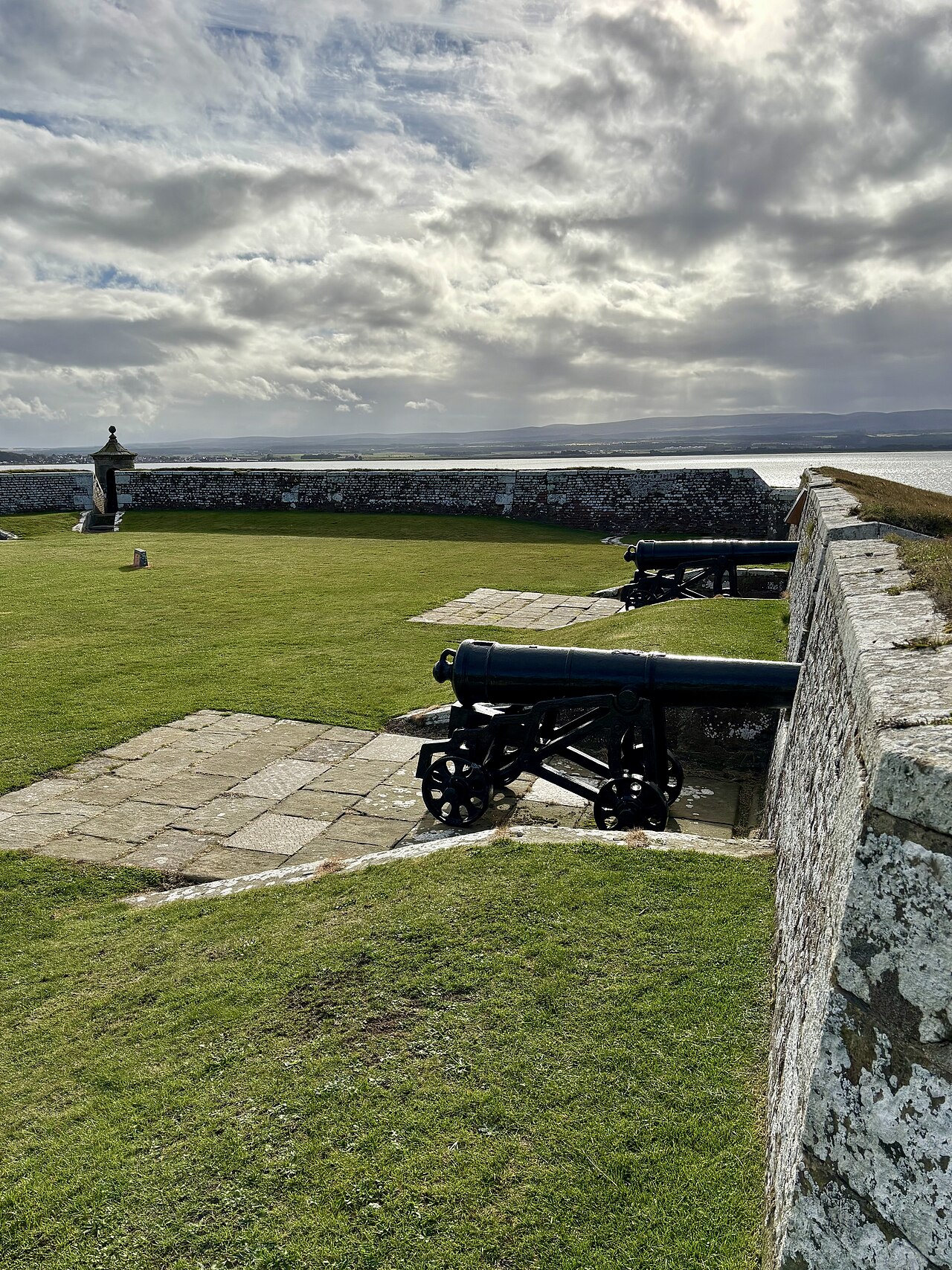
Drive east to Culloden Battlefield, about five miles from the city, where the Jacobite cause ended in 1746. The visitor centre's immersive battle film and exhibition set the scene before you walk the moor among the clan graves; allow two to three hours. Clava Cairns is only a short drive away, a Bronze Age burial site of three great stone cairns ringed by standing stones in a quiet grove, free to visit and best seen in about forty-five minutes. In the afternoon, continue to Fort George on the Moray Firth, a vast eighteenth-century artillery fortress built after Culloden and still home to the army, with ramparts you can walk and a regimental museum. Keep an eye on the water: bottlenose dolphins feed in the firth, and Chanonry Point on the Black Isle opposite is one of the best places in Britain to see them from the shore.
Day three: Skye or Glencoe
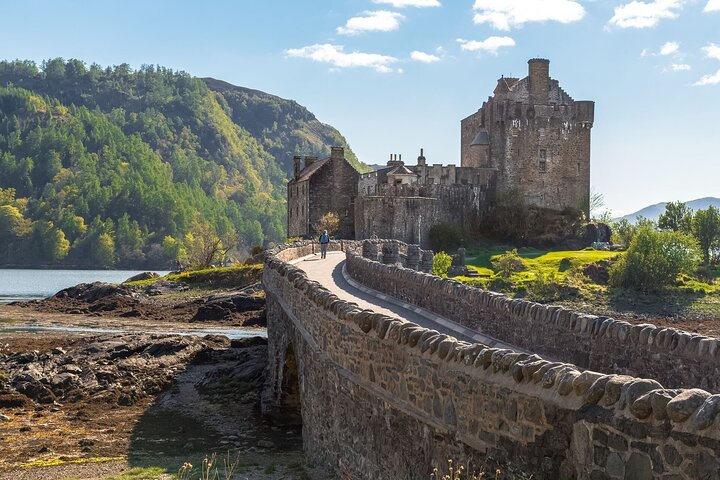
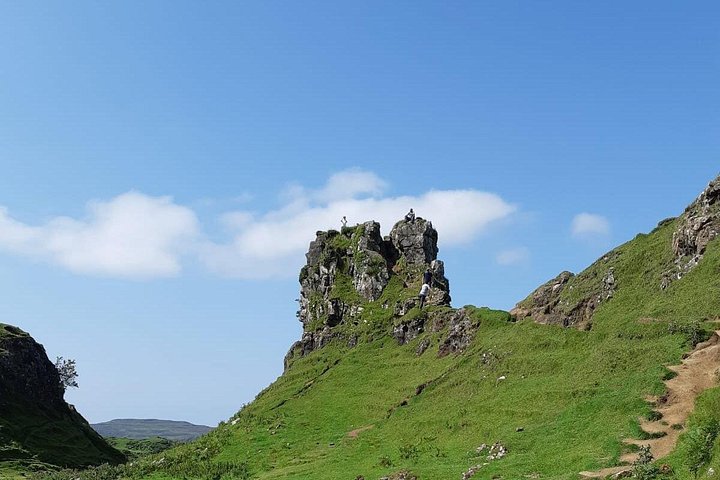
Give your last full day to a big tour. The Skye day from Inverness runs for about twelve hours, crossing the Highlands to the island for the Old Man of Storr viewpoint, Portree and, on many itineraries, the Fairy Pools, usually with a photo stop at Eilean Donan Castle on the way. The Glencoe and Fort William day, similar in length, follows the Great Glen past Loch Ness and Fort Augustus to the Commando Memorial, Fort William and the dramatic glen itself. Both are long days, but they let you see places that would otherwise need an extra night and a lot of driving. If whisky interests you more than mountains, swap in the ten-hour Speyside tour.
Fitting in the city
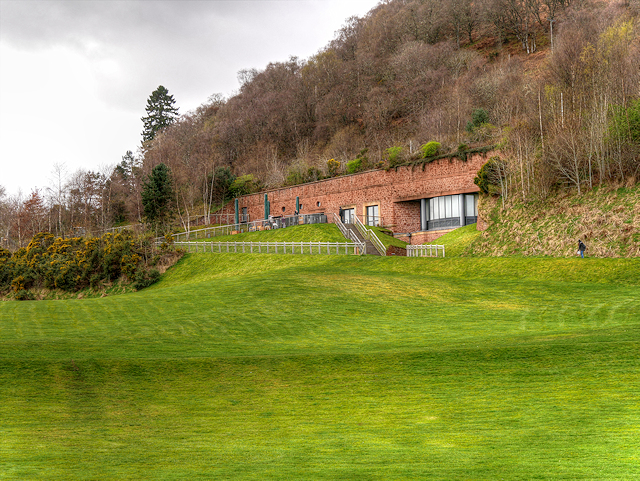
Inverness Castle, the red sandstone landmark above the river, has reopened as a visitor attraction that tells the story of the Highlands, and makes a good wet-weather morning or a first-afternoon introduction. The Victorian Market's food hall is ideal for lunch, and in the evenings the pubs on Church Street and Bank Street host live traditional music on most nights.
Getting around
You can walk everywhere in the centre. A car makes days one and two easy, but taxis and local buses work for Culloden and the Loch Ness road, and tours handle the long days. Driving in the Highlands is slow, with narrow roads and changing weather, so allow more time than the map suggests.
If you have more time
Add Cawdor Castle near Nairn, a dolphin-watching boat from the Moray Firth, the Black Isle villages of Cromarty and Fortrose, or a second big day out. Our day-trips guide compares the options, our where-to-stay guide matches hotels to your plans and our first-timer's guide covers getting to Inverness.