Three days is the length of stay that turns Skye from a rushed loop into a proper trip. The island is about fifty miles from north to south, but its roads are slow, many of them single-track, and the best walks need daylight and decent weather. The trick is to group the sights by peninsula so you are not crossing the island twice in a day. This plan assumes a base in Portree or Sligachan and a car; if you are not driving, the small-group tours from Inverness and Edinburgh cover a shortened version of the same ground.
Before you start
Check the forecast each evening and be ready to swap days around, because the clifftop walks at the Quiraing and Neist Point are not sensible in strong wind or low cloud. Fill the tank in Portree or Broadford, since fuel stops are few elsewhere. Parking at the Storr, the Quiraing and the Fairy Pools is paid, by coins or contactless card, and you should never stop in a passing place or on a verge. Book any distillery tour and any dinner you care about before you arrive.
Day one: Portree and the Trotternish peninsula
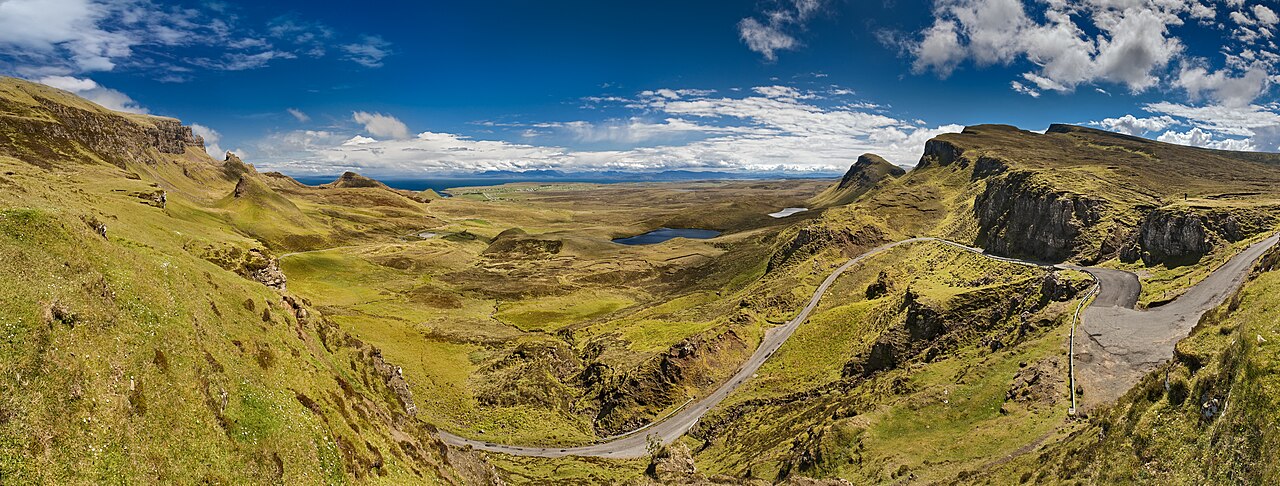
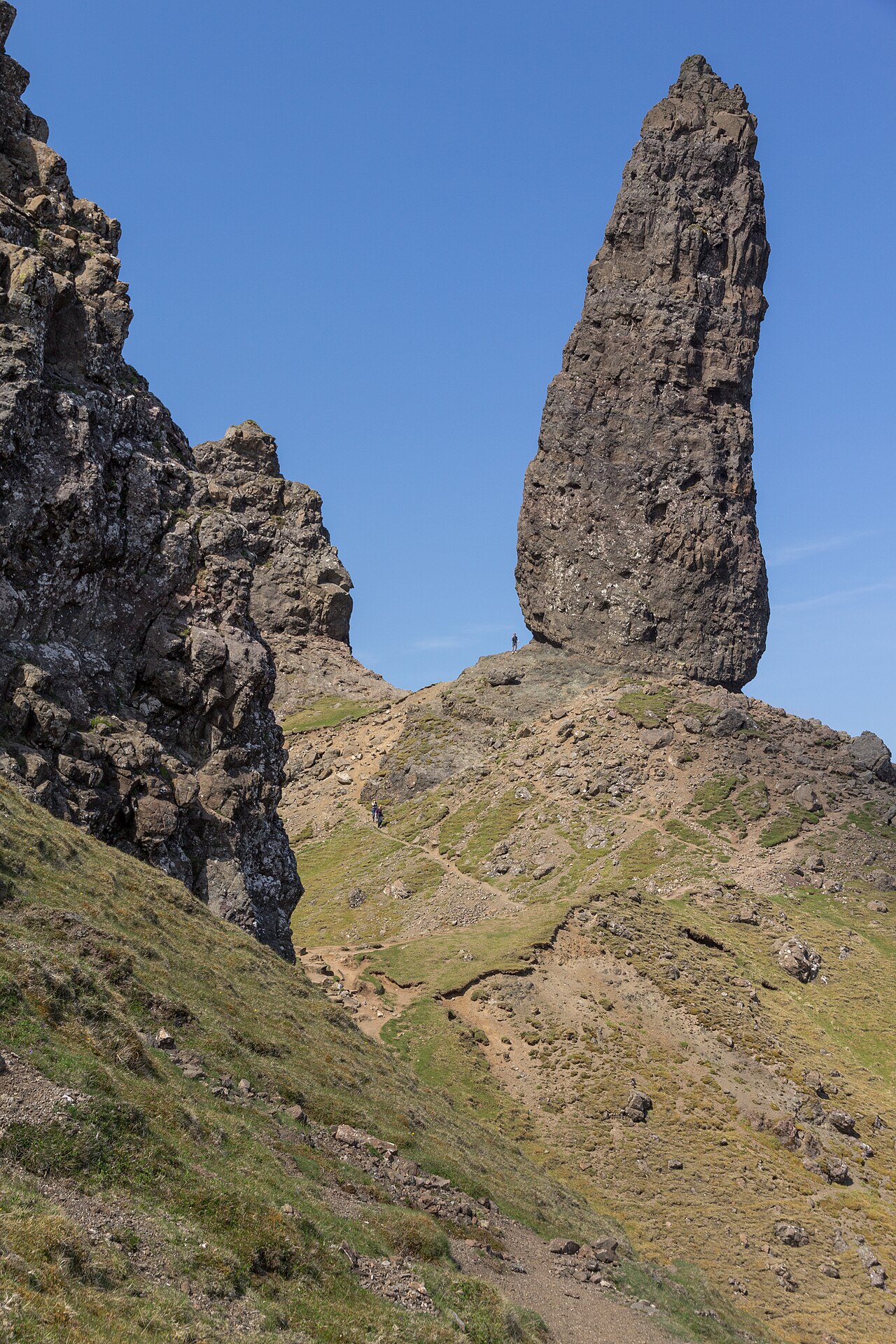
Start early at the Old Man of Storr, about eight miles north of Portree. The 3.8 km out-and-back path climbs on gravel and stone steps to the foot of the pinnacle, around forty-five minutes up and a little less down, and the car park fills quickly by mid-morning in the busy months. Continue north along the coast road to the Kilt Rock viewpoint, a short stop for the sea cliff and waterfall, then on to Staffin and up the single-track road to the Quiraing car park. The 6.8 km loop beneath the Prison and the Needle is rated hard and takes around two hours without stops; if the weather is poor, walk only the first stretch for the view and turn back. Return to Portree for the evening, with a walk round the harbour and the coloured houses on the quay before dinner.
Day two: the Cuillin, the Fairy Pools and Talisker
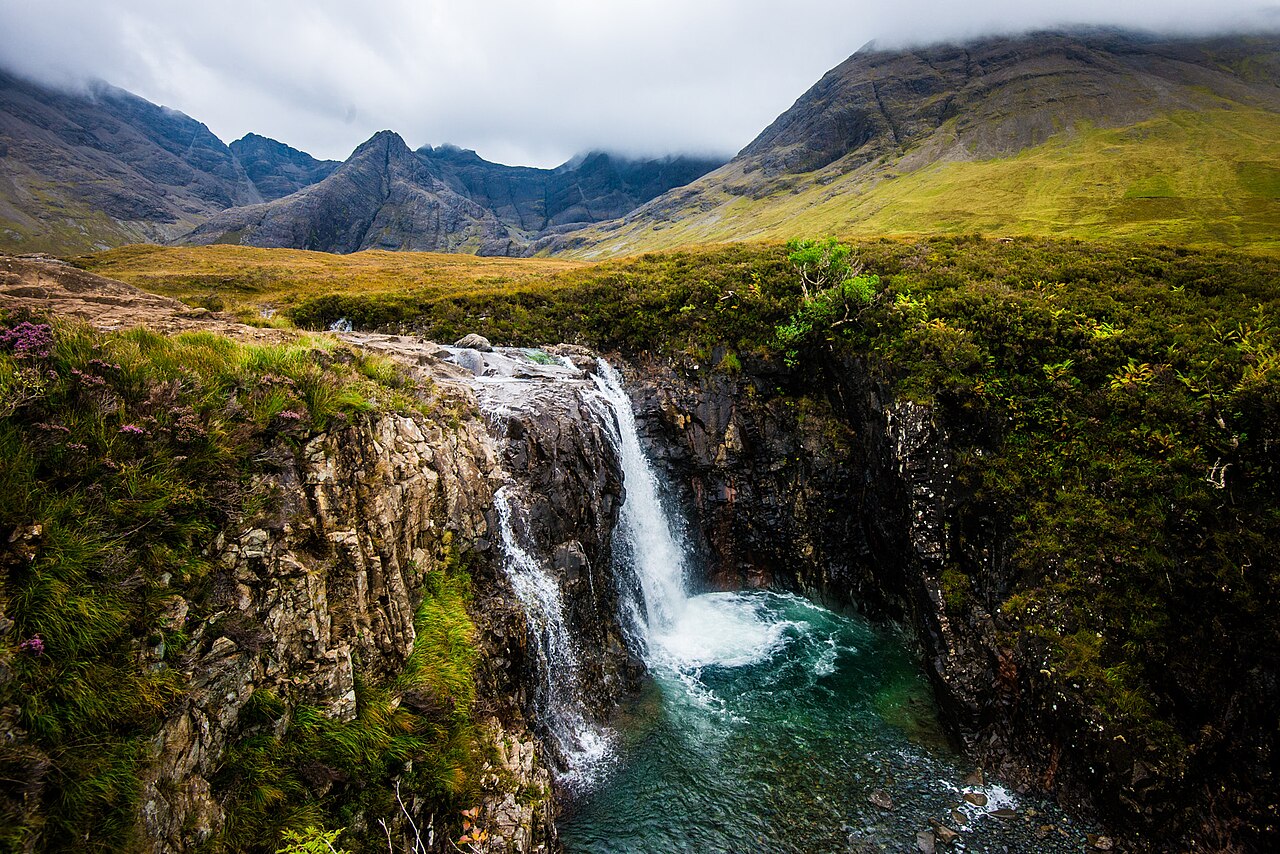
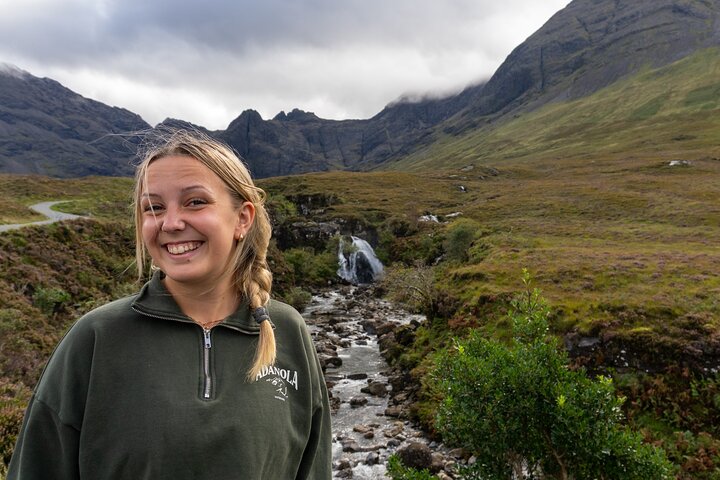
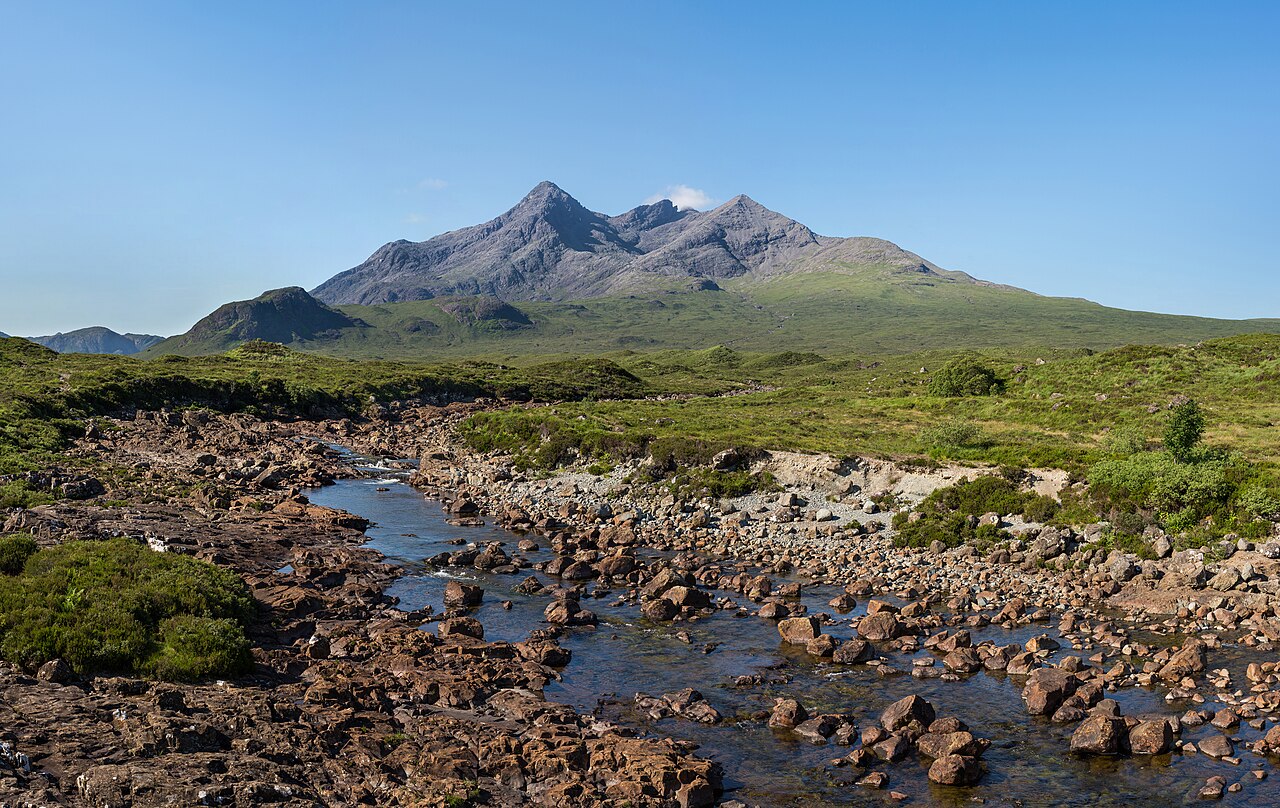
Drive south to Sligachan, where the old bridge frames the Cuillin ridge, then take the road to Carbost and the single-track road into Glen Brittle. The Fairy Pools walk follows the river past a chain of clear pools and small waterfalls; allow one and a half to three hours depending on how far you go, and wear boots, because the stream crossings can be slippery or impassable after heavy rain. In the afternoon, visit Talisker Distillery at Carbost, the oldest working distillery on the island, for a booked tour or tasting. If you prefer a quieter day, Elgol on the south coast has one of the finest views of the Cuillin from sea level, and in the season boats run from there to Loch Coruisk.
Day three: Duirinish, Neist Point and Dunvegan
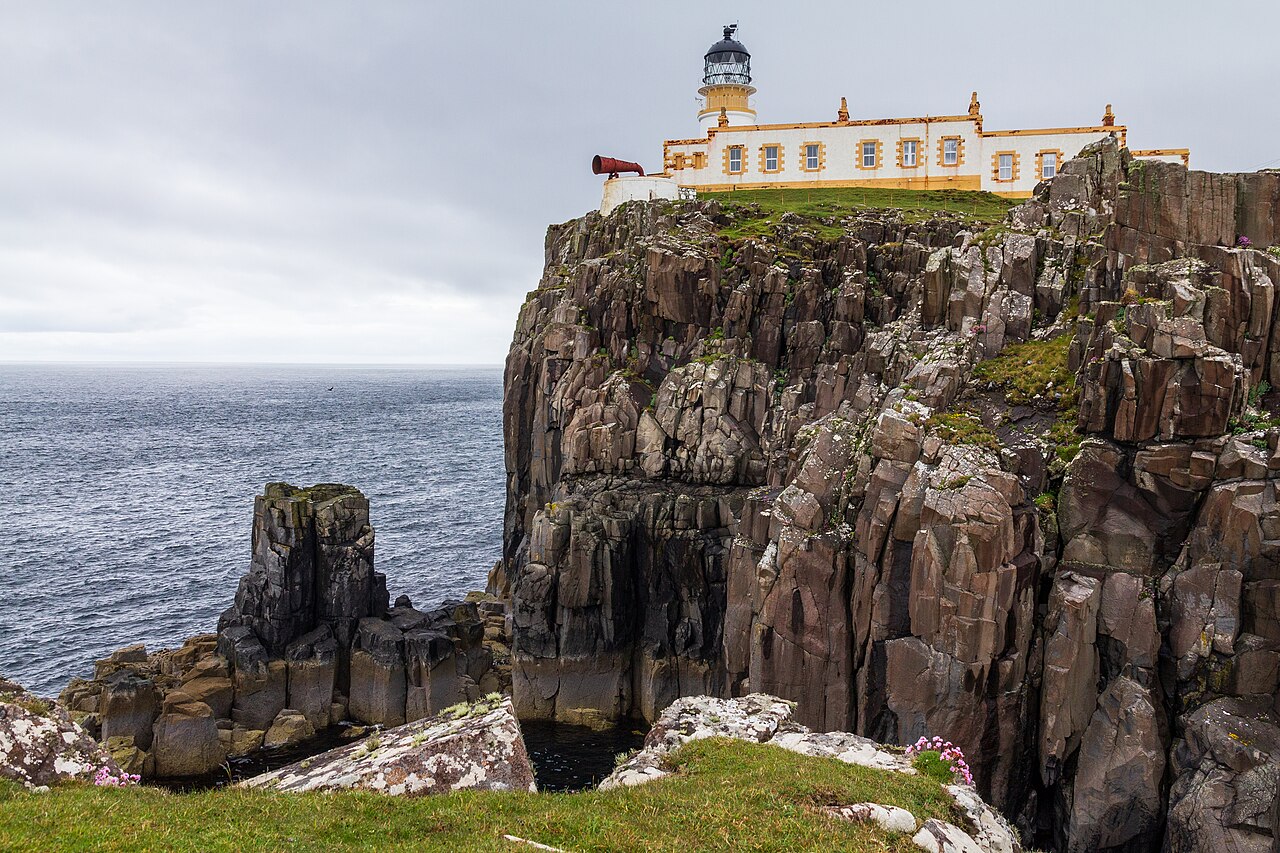
Head west to Dunvegan. From spring to mid-autumn, Dunvegan Castle and its gardens are open, and seal trips run from the castle jetty in fair weather; allow two to three hours. Out of season the castle is closed, but the village and the loch are still worth the drive. Continue to Neist Point, roughly thirty minutes and ten and a half miles beyond Dunvegan on a narrow road. The path to the lighthouse is about 2.2 km there and back, around forty-five minutes, with a steep concrete stretch and steps on the return, so take it slowly. Neist Point faces west, so it is the island's classic sunset spot when the sky is clear.
If you have a fourth day
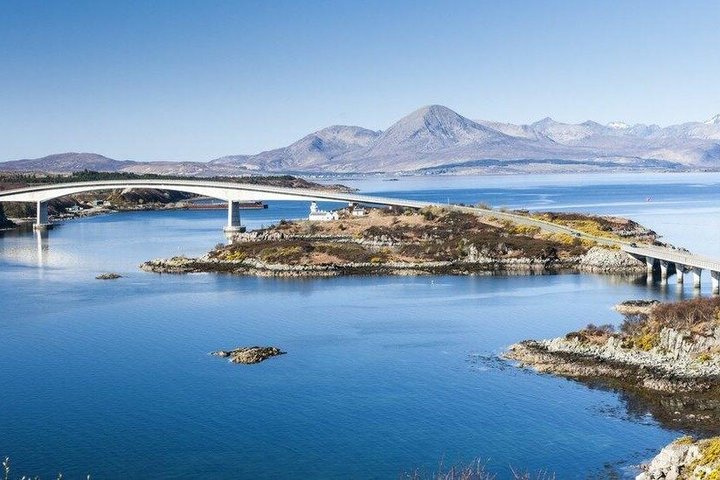
Spend it on the way in or out. Eilean Donan Castle at Dornie sits on the mainland road a few minutes before the Skye Bridge and is the obvious stop, with a short visit of an hour or two. Alternatively, explore Sleat in the south, the greenest and quietest part of Skye, or simply give yourself a spare day for the weather, which on Skye is never wasted.
Pacing and daylight
Daylight decides how much you can fit in. In June there is light until late evening, so the plan above is relaxed; between November and February you have well under eight hours, so keep to one long walk a day and use the afternoon for the distillery, the castle or a long lunch. Whatever the season, start early, because the car parks and paths are quietest before ten.
Where to sleep for this plan
Portree suits days one and three, Sligachan suits day two and puts you between the north and the south-west, and a split stay works well if you are not keen on repeating the long drives. Our where-to-stay guide matches hotels to each base, and our first-timer's guide covers getting to the island and what closes in winter.