İzmir has a reputation as Turkey's most relaxed food city, and it earns it. The Aegean gives it olive oil, wild greens, vegetables and fish, the old Levantine and Sephardic communities left pastries and habits behind, and the bazaar keeps small snacks cheap and constant. You can eat very well here without a booking, simply by following what locals queue for.
Start with the morning snacks
Boyoz is the city's own pastry, a flaky, oily, savoury bun that came with Sephardic Jewish families and is traditionally eaten with a boiled egg and tea. Gevrek, the local name for simit, is a sesame ring that is sold from carts and bakeries. Another classic is the kumru, a toasted sandwich that people eat on the coast. A proper Turkish breakfast with cheeses, olives, tomatoes, eggs, jam and honey is a long, slow meal, and weekend breakfast is a social ritual along the seafront and in Alsancak.
Lunch in the bazaar
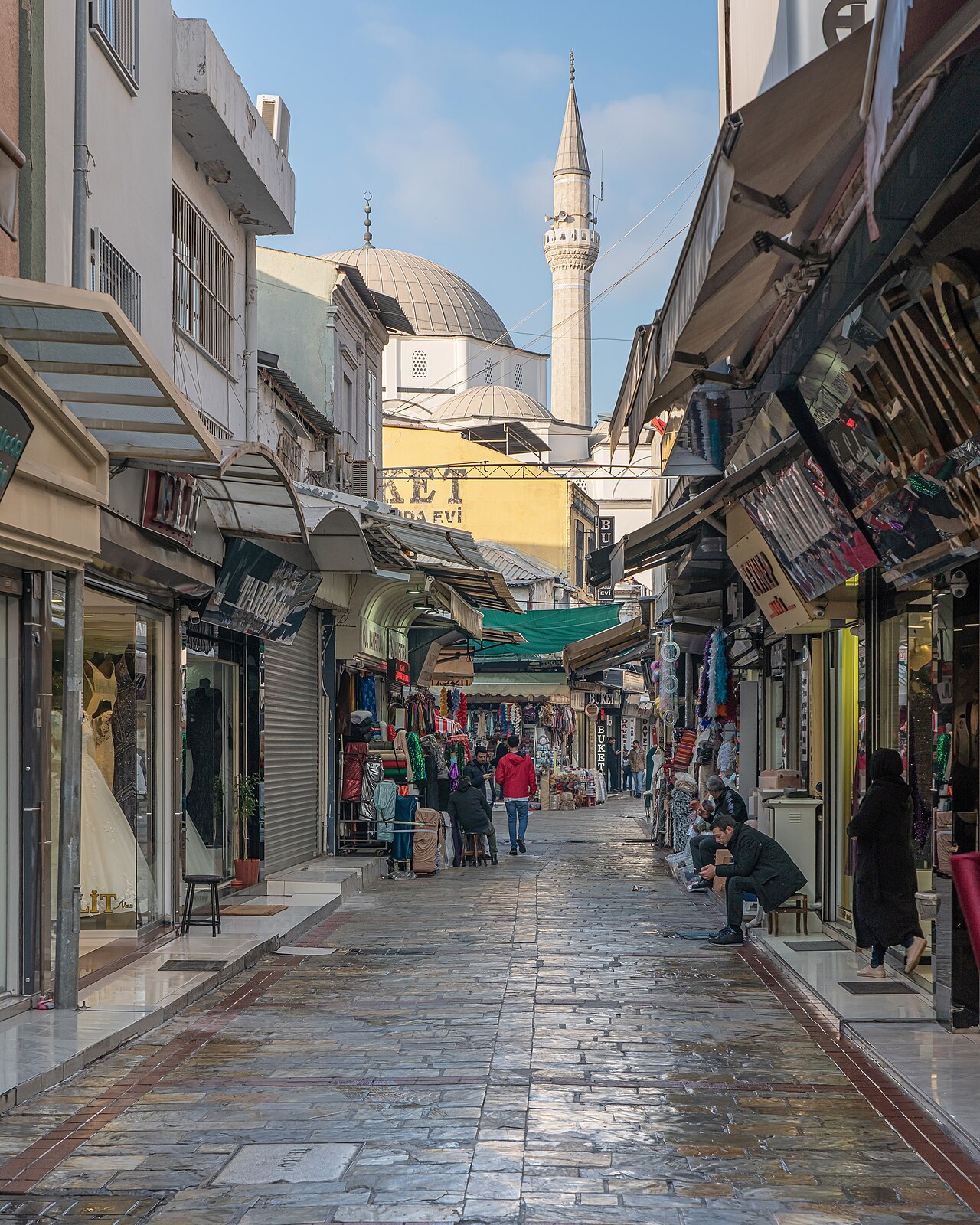
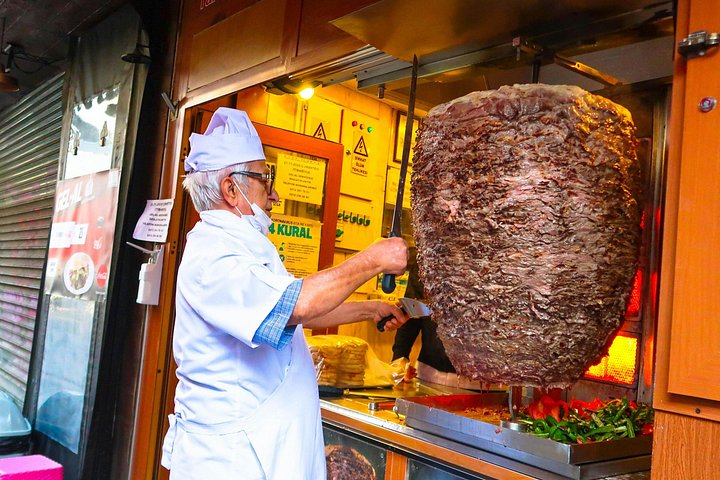
Kemeraltı Bazaar is the best place for lunch because the options are small and honest. Look for İzmir köfte, grilled meatballs baked with potatoes and tomato sauce, as well as lahmacun, the thin pizza-like flatbread topped with spiced minced meat, and gözleme, a thin pastry cooked on a griddle and served with ayran. Beans with rice and pickles is a modest, filling lunch for many locals. Choose busy stalls and ask the price when something is sold by weight. If you would like a guide to do the ordering, the İzmir food walk covers the main stops in about four hours and ends where it begins, at the Clock Tower.
Vegetables, olive oil and herbs
The Aegean table is built on olive oil. Zeytinyağlılar are vegetable dishes cooked in olive oil and eaten at room temperature, such as stuffed vine leaves, artichokes in season, broad beans and green beans. Wild greens, called otlar, are boiled or sautéed and dressed with lemon, and they are a highlight if you visit in spring and cool months. Vegetarians do better here than in most of Turkey, but always ask whether a dish includes meat stock.
Fish and the evening meal
On and around the Kordon, fish restaurants sell fish by weight, so the way to avoid surprises is to ask the price per kilo before you order and to check the bill. Seasonal local fish, grilled or baked, comes with salad, rocket, a plate of meze and, if you like, rakı, the aniseed spirit that turns water cloudy when you add it. Many locals drink it slowly with a long meal. Stuffed mussels, called midye dolma, are a street snack to try if you are comfortable with seafood, and you should choose a busy vendor.
Sweets, coffee and tea
Lokma, small fried dough balls soaked in syrup, are sold from street stands. Şambali is a syrupy semolina cake, and local desserts also include simple milk puddings. Turkish coffee is brewed in a small pot and served with its grounds, and in the bazaar you may see it cooked on hot sand. Tea arrives in small tulip glasses and is the punctuation of every conversation. Look for black mulberry juice, a local summer cooler, from stalls and cafes.
Wine and drinks beyond the city
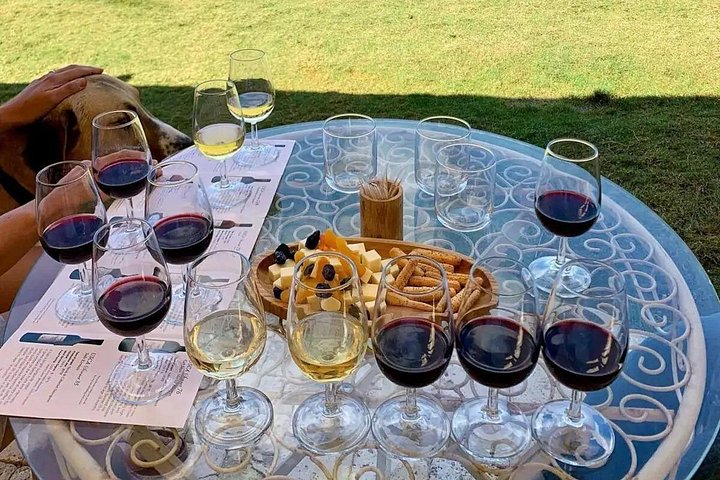
The Urla peninsula west of İzmir is one of Turkey's better-known wine areas, and a small-group tasting tour visits two wineries in an afternoon with appetizers on the side. It is the best way to taste local wine without driving. The coast toward Çeşme and Alaçatı adds herbs, cheeses and cafes, and the village of Şirince is known for its fruit wines, which are sweet and strongly flavoured and are best tasted in small amounts before you buy.
Where to eat by neighbourhood
Kemeraltı is for snacks, köfte and tea at lunchtime, and many stalls wind down in the late afternoon. Alsancak is the evening district, with pedestrian lanes of meyhanes, bars and cafes and a lively weekend crowd. The Kordon is for slow seafront coffee, breakfast and fish. Across the gulf, Karşıyaka is reached by a short ferry ride and has its own cafes and promenade, which makes the crossing a pleasant part of the meal plan. Whichever area you choose, follow the crowd, because a full table of locals is the best review you will get.
Practical tips
Restaurants usually add a service charge or expect a tip, so round up or leave a modest percentage if service was good. Cash is useful for bazaar stalls and street food, while restaurants take cards. Evening meals start late, and fish restaurants fill up at weekends, so reserve a table if you have a particular place in mind. Tell restaurants about allergies clearly, because dishes are often cooked in shared pans.