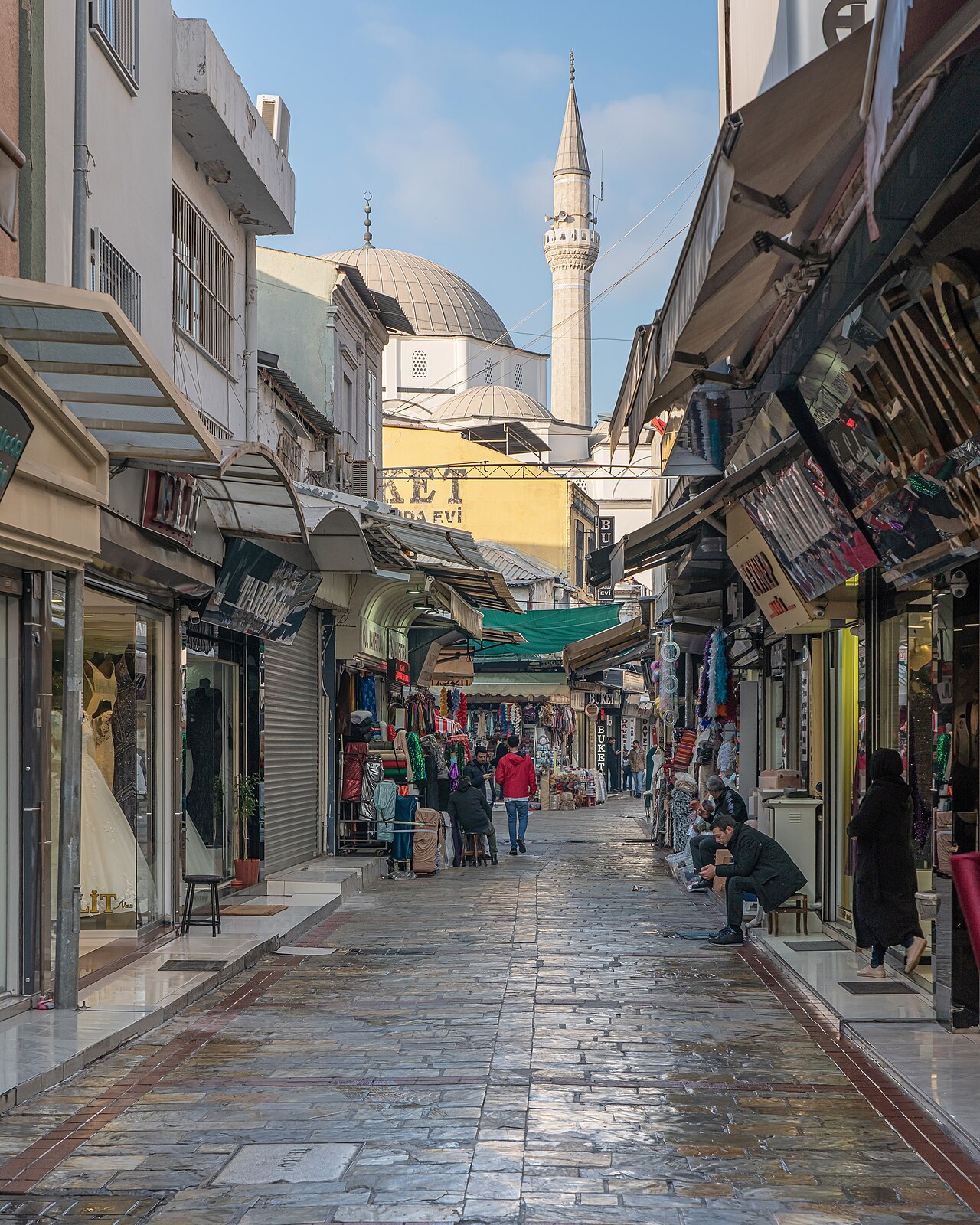
Three days is the sweet spot for İzmir. It is long enough to see the city properly, with a bazaar morning, an ancient agora, a museum or two and an evening on the waterfront, and still leaves a full day for the great ruins nearby. The plan below keeps the walking sensible and puts the big excursion on the day when you will have your bearings. Swap days around if the weather turns.
Day one: Konak, the bazaar and the Kordon
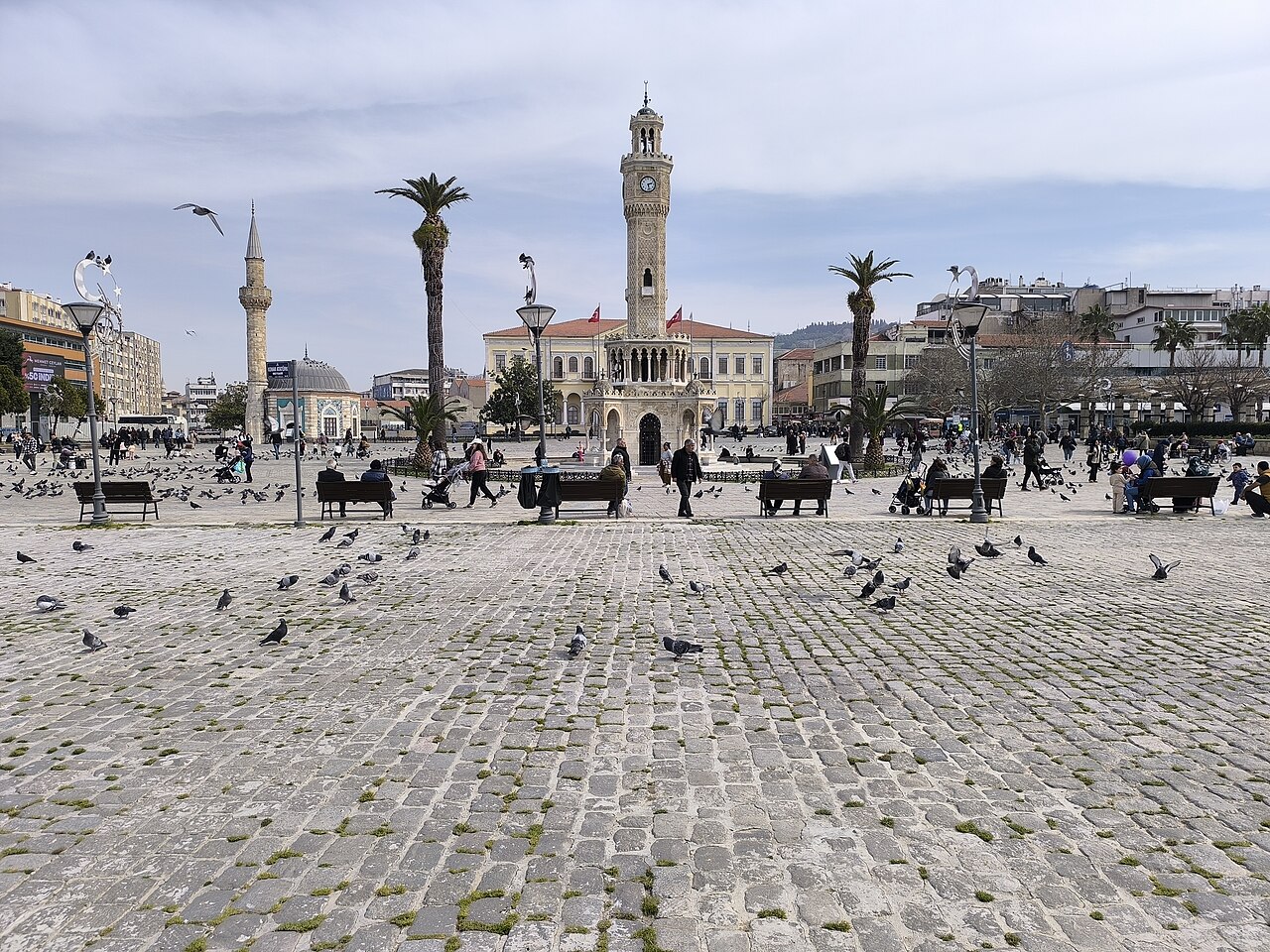
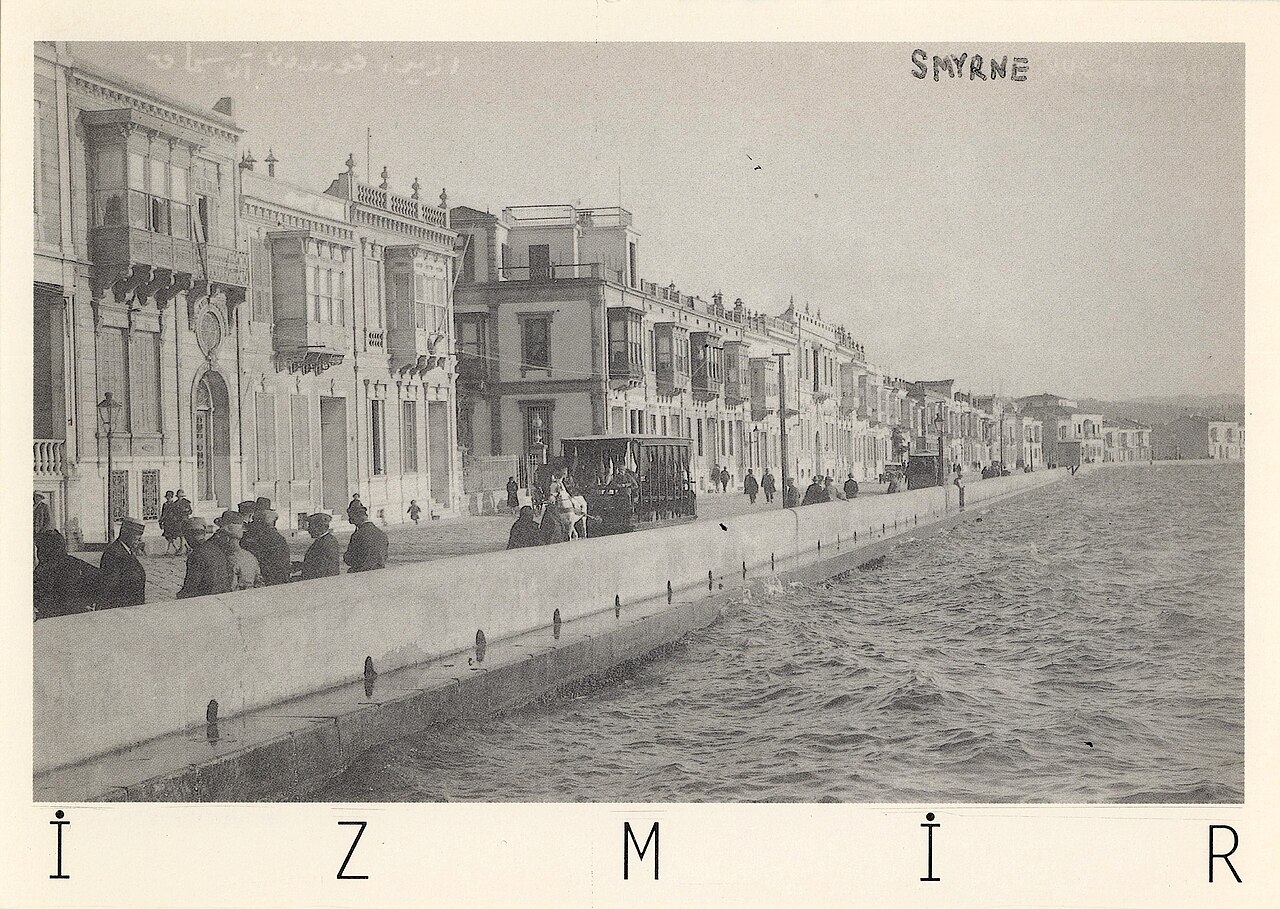
Start at Konak Square, where the Clock Tower and the small tiled Yalı Mosque are the city's postcard. From there walk inland into Kemeraltı Bazaar, the old trading quarter, and wander without a plan for a couple of hours. Pause in Kızlarağası Han, the grandest of the Ottoman inns, for tea in its courtyard, and graze on boyoz, simit and Turkish coffee as you go. Lunch can be anything the lanes offer, from köfte to a lahmacun. In the afternoon, stroll back toward the water and take the Kordon seafront, the long promenade where İzmir comes out to walk, jog, fish and watch the light fade over the gulf. Finish with dinner in Alsancak, whose pedestrian lanes are packed with restaurants and bars.
Day two: ruins, museums and a view
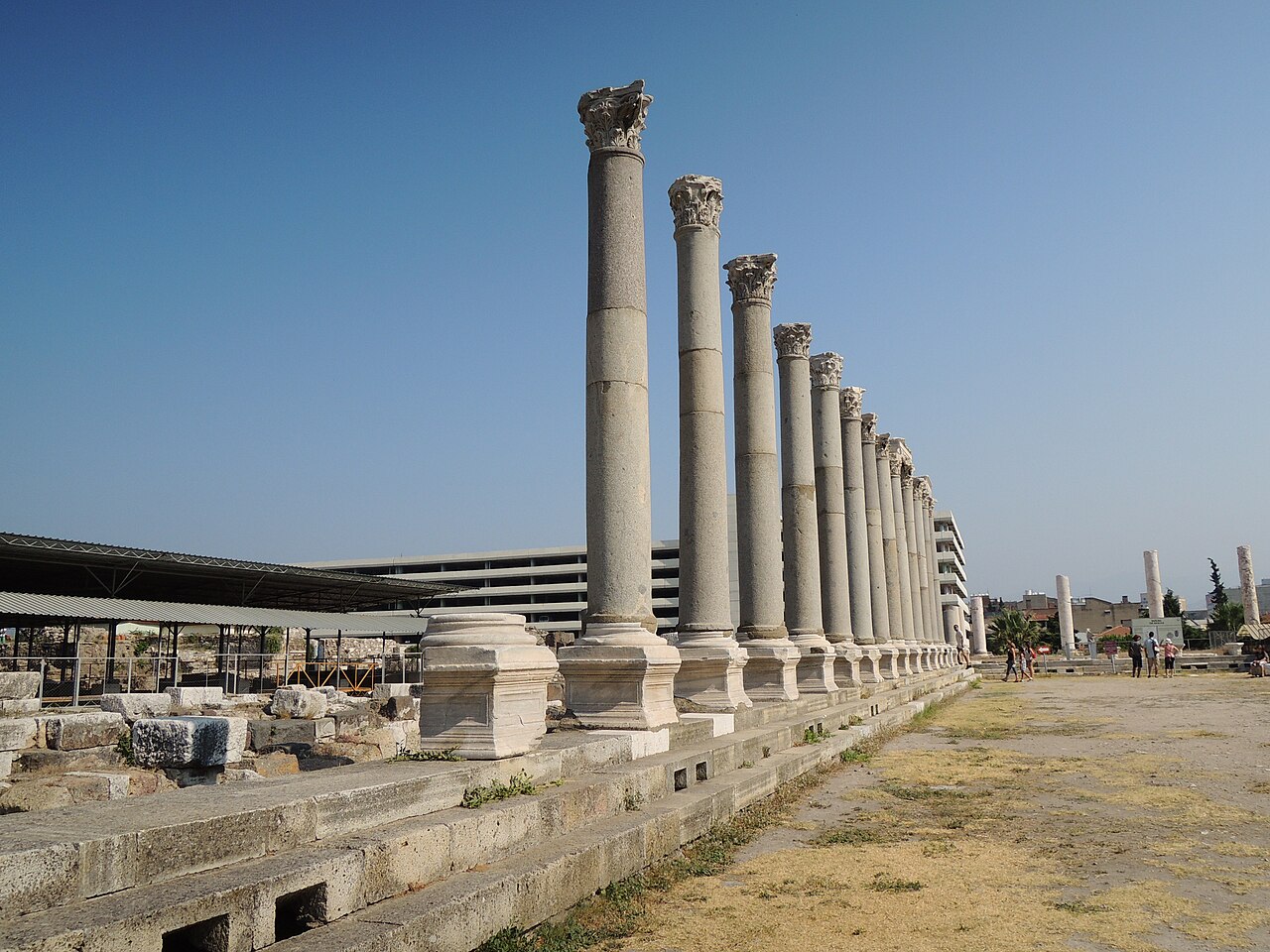
Begin at the Agora of Smyrna, the Roman market square on the southern edge of the bazaar district, with its arcades and vaulted cellars. Visit it in the morning when it is calm and cool. Then choose your museum. The İzmir Archaeology Museum holds the larger classical finds, while the History and Art Museum in Kültürpark is smaller and quieter, and the Ethnography Museum shows nineteenth-century city life. Most visitors pick one or two, not all three. After lunch, ride the Asansör, the historic elevator whose upper terrace gives a wide view of the gulf, or taxi up to Kadifekale, the hilltop castle that looks over the whole city. Both are best in the late afternoon, and Kadifekale should be visited in daylight. Dinner can be fish near the Kordon, where fish is sold by weight, so ask the price before you order.
Day three: choose a day trip
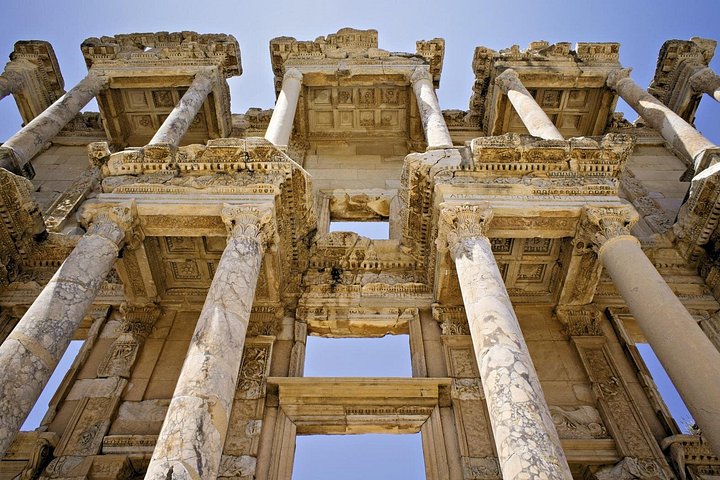
The one most visitors want is Ephesus, the best-preserved classical city in the region, about an hour and a half south. A guided day tour with lunch saves you the logistics, and an early start avoids the late-morning crowds. If you prefer a quieter site and enjoy hilltop acropolises, choose Pergamon instead, with its steep theatre and the Asklepion. If you want a village and a glass of fruit wine as well as ruins, the Şirince tour combines Ephesus with a hillside village. For sea air rather than stone, the Çeşme and Alaçatı day takes you to the stone-house lanes and a castle, and it is best in spring and autumn. Whichever you choose, return in time for a last walk along the Kordon.
Pace and logistics
The centre is walkable between Konak, the bazaar and the Kordon, and the metro, trams, buses and passenger ferries fill in the gaps, all payable with a rechargeable transit card. Taxis are inexpensive for hilltop trips and for late evenings. Winter hours at state museums and ruins run from 1 October to 1 April, typically 08:30 to 17:30 with the ticket office closing at 17:00, so in the cooler months plan sightseeing for the middle of the day. In summer the heat peaks in the early afternoon, so save the Agora and the museums for midday and keep walks for the morning and the evening.
Where to base yourself
For a three-day stay, Alsancak and the Kordon are the most convenient, with restaurants at your door and a short walk or ride to Konak. If you want to be inside the old city, choose the Konak side and the streets around Basmane. See our guide to where to stay for the difference, and choose a hotel with easy access to the metro if you plan to go out in the evening.
If you have a fourth day
Add a second excursion: the Urla wine country west of the city is an easy half day, and Pamukkale is a very long but memorable trip if you can spare a night. If you have only two days, drop the day trip and keep the museum and the Asansör, and save Ephesus for your next visit.
Rainy-day swaps
If the weather turns, move the museums forward and keep the open-air sights for a clear day. The Ethnography Museum and the History and Art Museum are both good indoor hours, and the bazaar has plenty of covered lanes where the rain hardly matters.
A few finishing tips
Carry small notes for tea and bazaar snacks, dress modestly if you enter a mosque, and wear shoes with grip for the stone lanes and the ruins. Mornings are the best time for the bazaar and evenings for the waterfront, and Sundays are quieter in Kemeraltı because many traders close.