İzmir is one of the easiest big cities in Turkey to enjoy on a modest budget. The best things to do are outdoors and free, local food is inexpensive and public transport is cheap. The few places where spending pays off are the big day trips, and even those can be done sensibly. Exchange rates in Turkey move, so this guide avoids exact prices and tells you where the savings are.
The free list
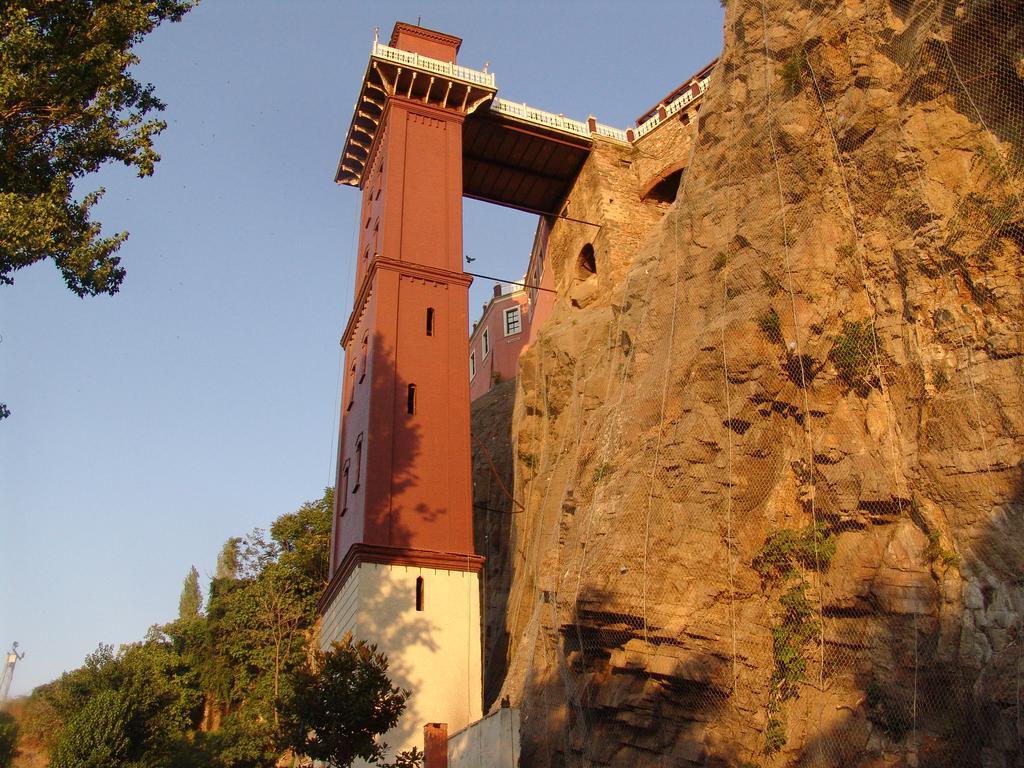
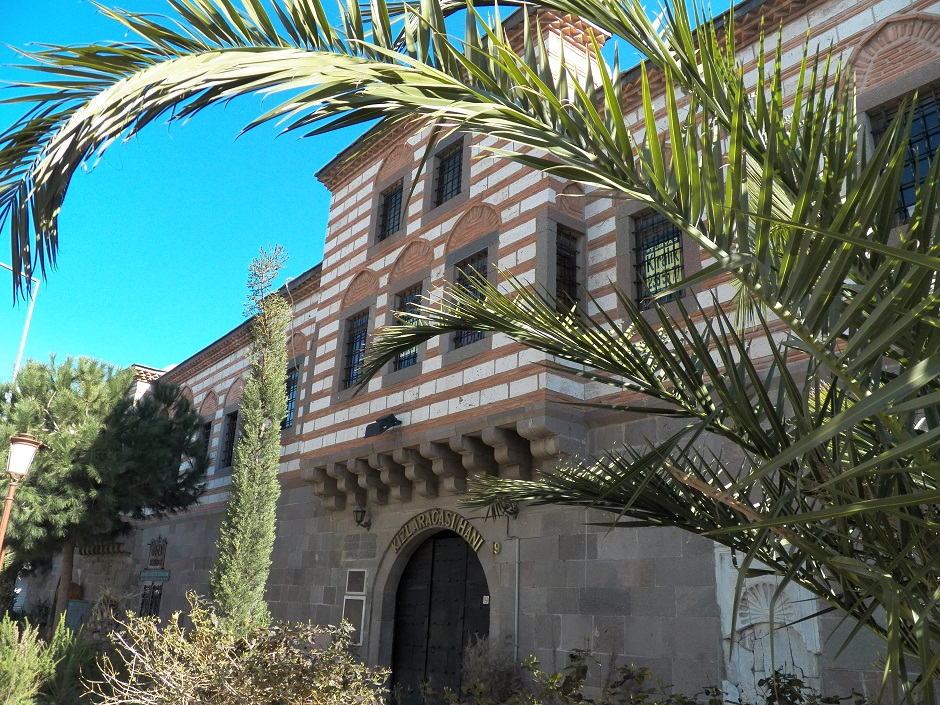
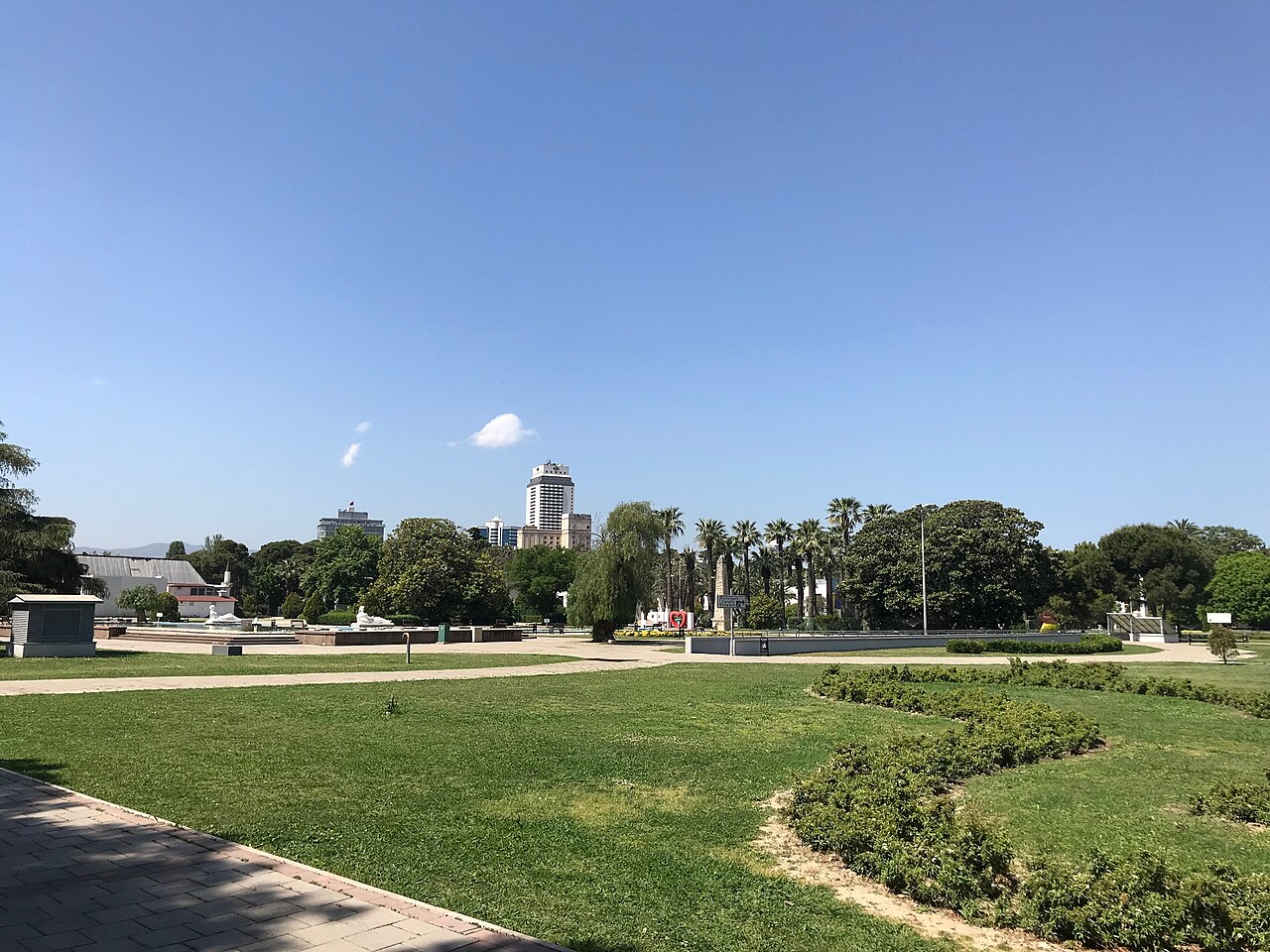
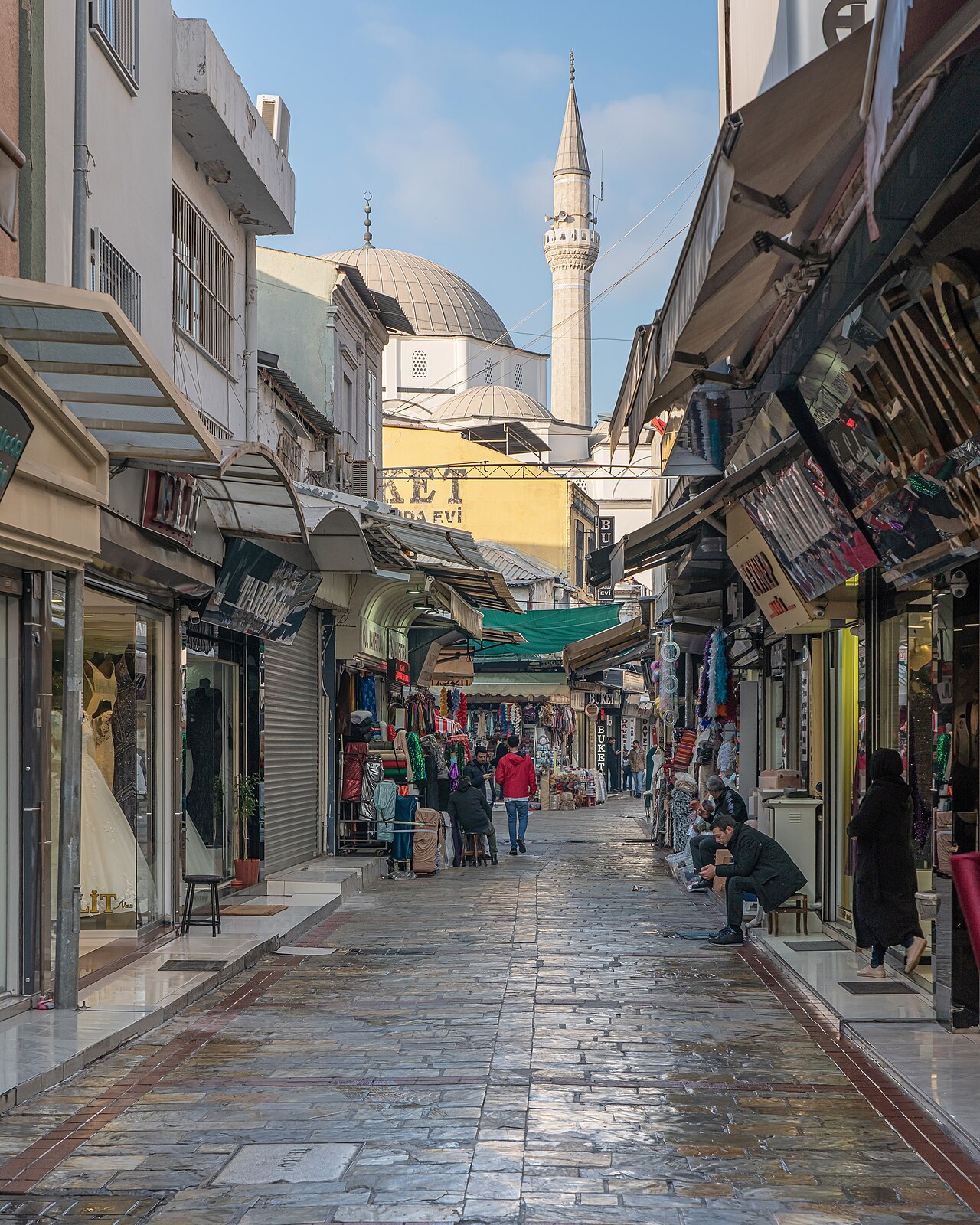
Many of the city's best sights cost nothing to enter. Kemeraltı Bazaar is a free walk through lanes, hans and mosques, and Konak Square with its Clock Tower and Yalı Mosque is open all hours. The Kordon seafront is the city's long promenade and a free evening show, with sunsets over the gulf. The Asansör, the historic elevator, leads up to a terrace with a wide view, and Kadifekale, the hilltop castle, gives a free panorama, though you should visit in daylight. Kızlarağası Han, the grandest Ottoman caravanserai, is free to enter, and a tea in its courtyard costs little. Kültürpark, the big central park, is free to walk through, with shaded paths and plenty of space.
Low-cost culture
The Agora of Smyrna, the Archaeology Museum, the Ethnography Museum and the History and Art Museum are state museums with modest entry fees, so check the current price and opening days with the culture and tourism directorate. If you plan to see several state sites across a week, including Ephesus or Pergamon, ask about the Museum Pass The Aegean, which can be worth it. Winter hours run from 1 October to 1 April, and shorter days make it sensible to visit in the middle of the day.
Eating cheaply and well
Food is where you save most. Boyoz, gevrek and tea from bakeries and street carts make a quick breakfast. Lunch in the bazaar can be köfte, lahmacun or gözleme, all filling and inexpensive, and the beans-and-rice places are the cheapest. Avoid ordering fish by weight if you are watching your budget, and ask the price per kilo before you decide, or choose the simpler grilled dishes. Drink tea and Turkish coffee in the local style in small cafes rather than in the seafront places.
Getting around cheaply
The centre is very walkable. For longer hops, the metro, suburban trains, trams, buses and passenger ferries across the gulf all work with a rechargeable transit card, which is cheaper than paying single fares. A ferry crossing is also one of the best low-cost experiences in the city, with views of the skyline and gulls following the boat. Taxis are inexpensive compared with western Europe but are still the largest transport cost, so use them for hilltop trips and late nights. The airport is linked by suburban train, which is the budget way in and out.
Where to sleep
Budget travellers do well around Basmane, near the station and the old city, where simple hotels such as Hotel Baylan sit close to the bazaar. Alsancak and the Kordon are pricier but more pleasant for evenings. Rates rise during the international fair and conferences, so book early if your dates overlap, and winter rates are usually lower. Compare a mid-range option like the Hilton Garden Inn in Bayraklı if you have a car and want free parking.
Free and cheap evenings
The best evening plan costs almost nothing: walk the Kordon at sunset, buy a gevrek or a corn cob from a cart, sit on the sea wall and watch the gulf turn gold, then cross to Karşıyaka on a ferry for a different view of the skyline. Alsancak has plenty of lively lanes where a single glass of tea or beer lets you enjoy the atmosphere. Local events, outdoor concerts and the park's seasonal programmes are often inexpensive or free, so ask at your hotel what is on during your visit.
Where to spend
If you only splurge once, make it a day trip, and choose a tour with lunch and entry included. Ephesus is the best value for first-time visitors, with Pergamon a good alternative. A small-group wine tasting or a food walk is a pleasant extra but not essential. Cheaper alternatives are to take public transport to Selçuk and visit Ephesus independently, or to choose a shared tour rather than a private one.
Money tips
Carry some Turkish lira in small notes for the bazaar and cafes, and use cards in restaurants and shops. Bargain politely for souvenirs, carpets and leather goods, but not for food. Tipping is modest, a round-up or a small percentage. Watch for menus without prices and ask first, and keep your phone and wallet in a front pocket in the busiest lanes.