A cooking class in a local home is one of the most relaxed ways to meet people in Jaisalmer and to learn how the food of the Thar is actually made. You arrive at a family house, usually in the old city or a nearby neighbourhood, and your hosts guide you through preparing a few dishes from scratch. You might knead dough for flatbread, temper spices in hot ghee, simmer lentils and stir a vegetable curry, all in a home kitchen rather than a commercial studio. Then you sit down together to eat, and conversation with the family often becomes the highlight. It suits solo travellers, couples and families alike.
Classes usually begin with a short introduction to the spices and ingredients, such as cumin, coriander, turmeric, red chilli, mustard seed and asafoetida, and how they are used to build flavour. You will learn why ghee is so important in desert cooking, how lentils are soaked and cooked, and how the heat of the pan changes the character of a spice. Notes and recipes are often shared, so you can recreate the dishes at home.
Typical menus include a lentil dish, a seasonal vegetable, a flatbread such as chapati or bajra roti and a simple sweet or raita. Some hosts also teach regional dishes, which might include dishes built on gram flour or dried desert vegetables. Because the class is hands-on, you will be rolling, stirring and tasting yourself, and the pace is usually relaxed. Vegetarian menus are the norm, and hosts can often accommodate allergies or preferences if told in advance.
The social side is just as valuable. Sitting in a family home, hearing stories about daily life in Jaisalmer, festivals, marriages and food traditions, gives you a view of the city that is hard to get on a monument tour. Many hosts are women who run the classes as a way to earn independent income, so your booking supports the household directly. Ask questions, be open to new foods and share a little about your own home as well.
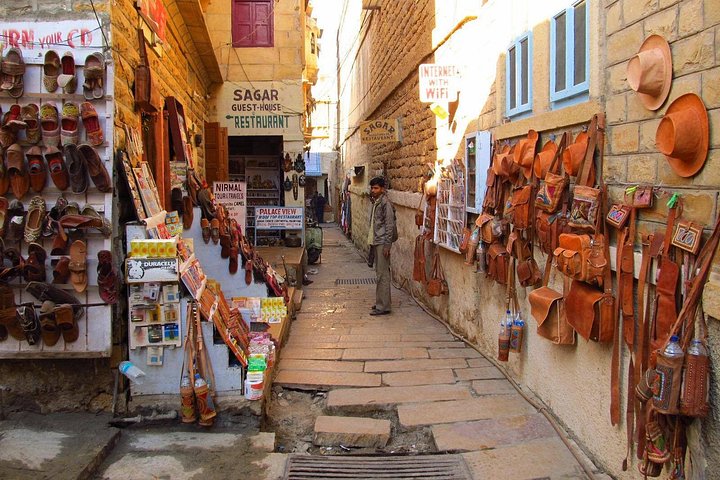
Practical details are simple. Classes run for about two to three hours, often in the late morning or afternoon, and end with the meal. Wear clothes that you do not mind getting splashed, tie back long hair and expect to remove your shoes at the door. Confirm the meeting point in advance, because family homes can be hard to find in the lanes of the old city, and many hosts offer to meet you at a landmark.
Combine the class with a street food crawl for a complete culinary day, or schedule it between sights to give your feet a rest. It is a good choice in the hot months, when the kitchen is a welcome break from the midday sun. Leave with a notebook of recipes, a stronger sense of how to use spices and perhaps an invitation to return for a festival meal.
To get the most from the lesson, come with questions about local ingredients and substitutions you can use at home. Ask how the hosts adjust recipes for the seasons, which spices they buy fresh and which they grind themselves, and what dishes they cook for festivals. Taking photographs of the steps, with permission, helps you remember the techniques. If you enjoyed the class, consider buying a small packet of spices on the way home, so that you can recreate the flavours as soon as you return from the trip.
What to expect
The experience
A hands-on class in a family kitchen followed by a shared meal with your hosts.
Best time
Late morning or afternoon, outside the hottest hours.
How long
Two to three hours.
Tips
Tell hosts about dietary needs, wear clothes you do not mind staining, and confirm the meeting point.
Quick picks
- Best for
- Food lovers and curious families.
- Families
- Children can help roll bread and stir, with supervision.
- Couples
- A shared, hands-on activity.
- Pair with
- The street food crawl and a market walk.
- Time needed
- Two to three hours.
Good questions
What will I cook?+
Usually a lentil dish, a vegetable, a flatbread and a simple side or sweet, though menus vary.
Is it vegetarian?+
Most classes are vegetarian, and hosts can often adapt to dietary needs if told in advance.
Do I get recipes?+
Many hosts share recipes or notes so you can cook the dishes at home.
Is it suitable for children?+
Yes, with supervision, as children enjoy kneading and rolling.
Where does it take place?+
In a family home, with a meeting point arranged when you book.