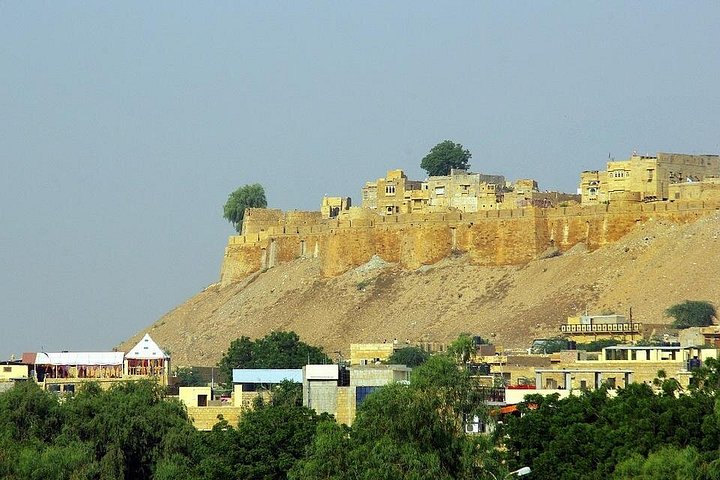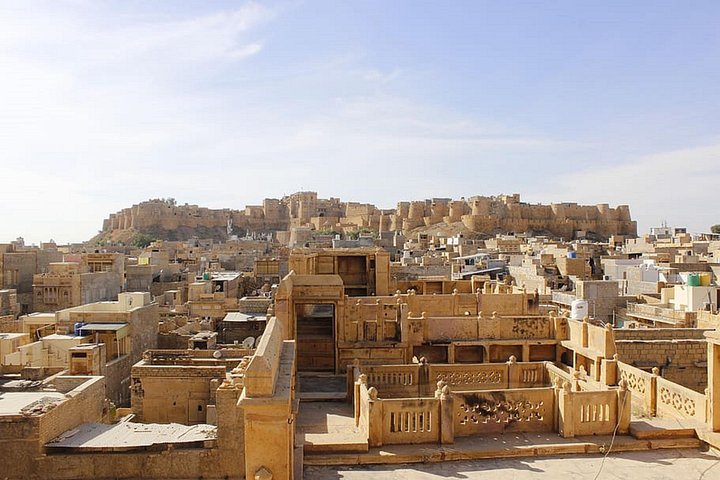
Jaisalmer lies in the far west of Rajasthan, close to the border with Pakistan, and getting there takes some planning. The reward is a city that feels remote and unspoiled. This guide explains the main ways to arrive, how to move around once you are here and which excursions are worth including.
By road from Jodhpur
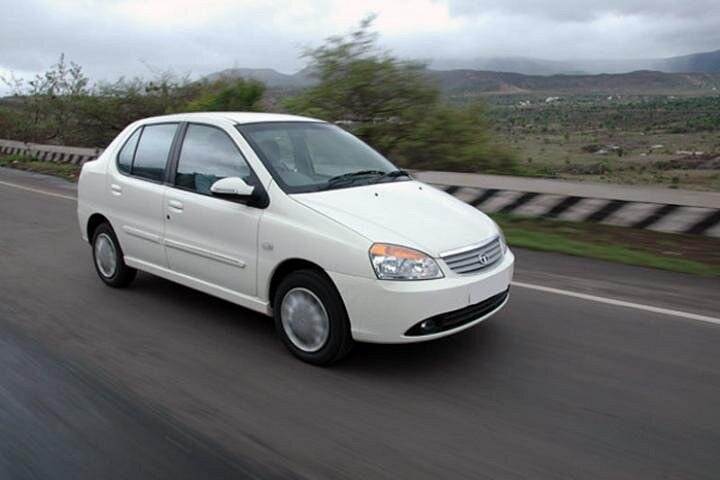
The most common route is from Jodhpur, the Blue City, about five or six hours by road depending on stops and traffic. Private transfers, taxis and buses make the trip, and some travellers stop at Osian or other places on the way. A private car with a driver is comfortable and flexible, and several transfer options exist at modest prices. Jodhpur has its own guide on this site, so combine the two cities in one trip.
By train
Jaisalmer has a railway station, and overnight trains connect it with Jodhpur, Delhi and other cities. Sleeper services are a classic way to arrive, with the added benefit of saving a night of accommodation. Book well ahead for popular dates, and choose a class that suits your comfort level. Check current timetables, as services change.
By air
Jaisalmer has a small airport, but flight options have been limited and change over time. Check current schedules before planning around a flight. Many travellers fly into Jodhpur and continue by road. Airport transfers to town are short and inexpensive.
From other cities
Bikaner is a few hours away by road, and private transfers link the two. Some routes to Udaipur, Jaipur and Pushkar take a full day, so plan an overnight stop if you can. Long drives are tiring in the heat, so start early and carry water.
Getting around town
The fort and old city are best on foot. Tuk-tuks and taxis cover the lake, Bada Bagh and the camps. Agree prices before you start, or hire a driver for a day or half-day, which is easy to arrange through hotels. A tuk-tuk tour of the main sights is an affordable option for travellers on a budget. Renting a bike or scooter is possible, but traffic and heat require care.
Day trips and excursions
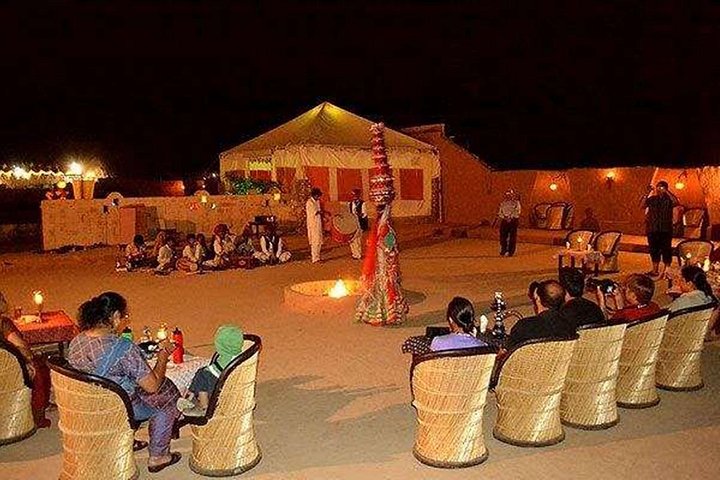
The Sam and Khuri sand dunes are the obvious choices, easily reached by car or tour for a sunset camel ride and an evening show. Kuldhara, the abandoned village, lies on the way and is worth an hour for its ruins and legend. Bada Bagh is a short drive and ideal for sunset. For something different, consider a village or farm visit, a cooking class or a stargazing night.
Longer excursions
Further afield, travellers visit desert villages, temples and wildlife areas. Some border areas require permits, so use a licensed guide and check requirements before you go. If you wish to explore beyond the usual circuit, ask your hotel or a reputable operator to arrange the details.
Money and practicalities
Carry cash for markets, tips and small purchases, as card acceptance is patchy outside hotels. ATMs are available in town. Mobile signal can be weak in the dunes. Carry water, sun protection and a power bank. Dress modestly and respect local customs, especially in temples and villages.
A simple route
For a classic Rajasthan loop, start in Jaipur or Delhi, move to Jodhpur, then continue to Jaisalmer for three nights, and end in Udaipur or Bikaner. Give Jaisalmer at least two full days to avoid feeling rushed. The long journey is part of the adventure, and the desert at the end makes it worthwhile.
Safety, scams and sensible habits
Jaisalmer is generally welcoming, but a few habits help. Book safaris and tours through your hotel or well-reviewed operators, and be wary of touts who intercept you at the station or bus stand with offers of cheap rooms. Confirm prices and inclusions before you set off, keep copies of your passport and travel documents, and avoid travelling long distances at night where you can. Carry a charged phone, share your plans with your hotel and keep emergency numbers handy. With simple care, the journey is smooth. Allow a buffer day before any onward flight or train, because distances in the desert are long and delays on the road are common.