Jaisalmer sits in the heart of the Thar Desert, and its climate is one of extremes. Summers are fierce, winters bring cold nights and the rains, when they arrive, are brief. Choosing the right season changes what you can do, what you pay and how comfortable you are. This guide breaks the year into its main phases.
Winter, from November to February
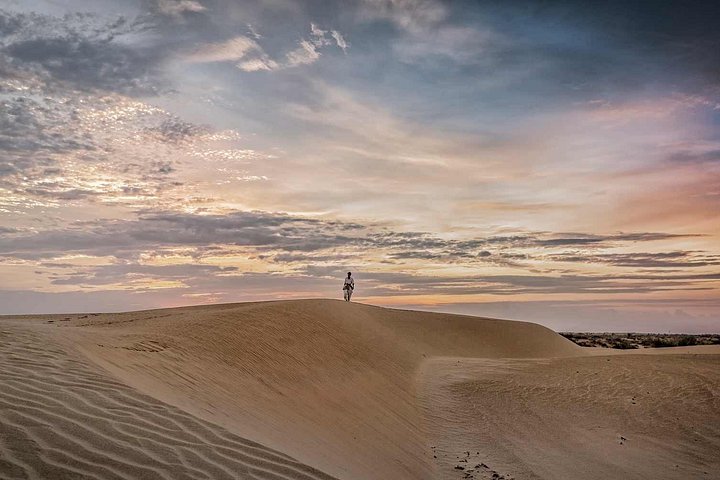
This is the peak season and the best time for most visitors. Days are warm and sunny, often pleasant for walking the fort and havelis, and nights can be cold, particularly in the open desert, where temperatures can approach freezing. Skies are clear, which makes sunsets and stargazing at their best. The trade-off is crowds and higher prices. Book fort stays and desert camps early, particularly around holidays. Pack layers, including a warm jacket and hat for the dunes.
Spring, March and early April
Temperatures rise quickly, but mornings and evenings remain pleasant. Crowds thin out, prices drop and sightseeing is still comfortable if you start early. Desert trips are enjoyable, though midday sun can be strong. This is a good shoulder season for travellers who want fewer people. Many local festivals fall in this period, and colourful celebrations take place in the lanes.
Summer, from late April to June
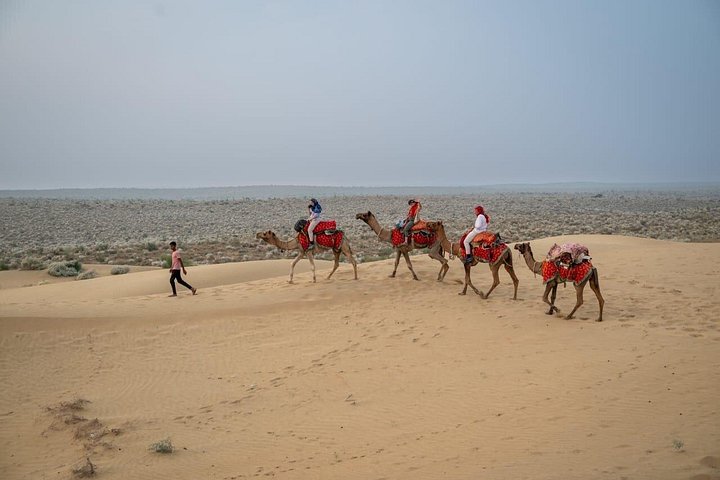
Heat is intense, with daytime temperatures often well above those that most visitors find comfortable, and hot winds can blow across the desert. Sightseeing is best limited to early morning and late afternoon. Desert camps may close or reduce services, and camel safaris are shorter. The upside is very low prices and almost no queues. If you must travel at this time, stay in a hotel with strong cooling and plan indoor midday breaks.
Monsoon, July to September
Rainfall in Jaisalmer is light compared with much of India, but the monsoon brings humidity, cloud and occasional showers that cool the air and turn the scrub green. Dunes can be firm and damp, and some tracks become difficult. Skies are often cloudy, which reduces sunset and star views. Fewer visitors come, and rates are low. For travellers who love empty landscapes and dramatic skies, it can be rewarding.
Early autumn, October
The weather improves, though days can still be hot. The festival season begins, with celebrations in the lanes and bazaars, and crowds start to grow. Evenings begin to cool, making dune visits pleasant. It is a good time to book before winter prices set in.
Festivals
The Jaisalmer Desert Festival is usually held in February and features turban-tying, folk music and dance, camel races and cultural displays. It is lively and crowded, so book early. Local festivals such as Holi in spring and Diwali in autumn fill the lanes with colour and light. Dates vary by lunar calendar, so check the calendar before you plan your travel.
Best months for particular plans
For general sightseeing and comfort, choose November to February. For stargazing, aim for a moonless night in winter. For fewer people and good prices, choose March or October. For a camel safari, avoid the hottest months. For photography, the low sun of winter gives the best colours on the golden stone.
Packing by season
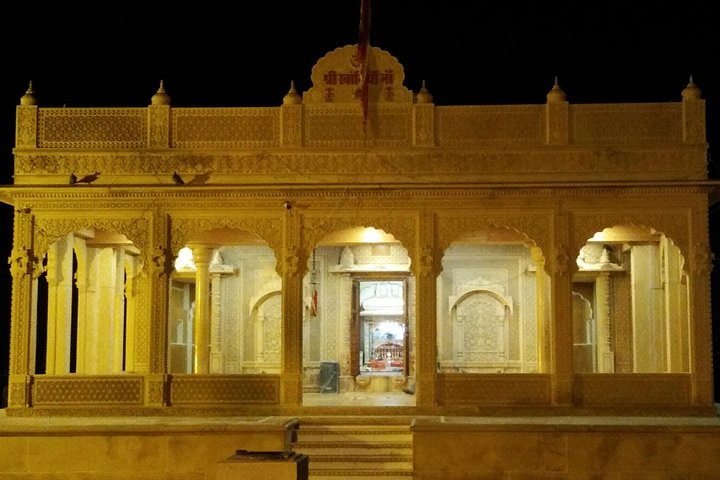
In winter, bring warm layers, a scarf and gloves for desert nights. In spring and autumn, bring light clothing, a hat and a layer for evenings. In summer, bring loose cotton, a wide-brimmed hat, sunscreen and plenty of water. In the monsoon, carry a light rain jacket and shoes with grip. Whatever the season, dress modestly in temples and the fort.
A simple verdict
If you can choose, plan for late October to early March, with the sweet spot in the cooler middle of that period. If you must travel at another time, adjust your schedule to the heat, favour early mornings and evenings, and choose accommodation with excellent cooling.
Health and comfort tips
In any season, drink more water than you think you need, wear a hat and sunscreen and avoid long outdoor stretches between late morning and mid-afternoon in warm months. Choose lightweight cotton clothing that covers shoulders and knees, which protects you from sun and respects local custom. In the cold months, a thin thermal layer under your clothes makes desert nights far more pleasant. If you plan a camel safari, choose trousers rather than shorts to avoid chafing, and carry lip balm and moisturiser against the dry air.