Jakarta can feel like a city to cross rather than a city to enjoy, and many first-time visitors tick off monuments and head home with a camera roll but little sense of local life. A better approach is to mix a few sights with experiences where you take part: making, tasting or moving through the city the way residents do. This guide covers the best hands-on options and how to combine them.
Why hands-on works here
Distances are long and traffic is heavy, so every extra stop costs time. Experiences that happen in one place, such as a workshop or a class, give you a deeper connection without a lot of transit. They also work in any weather, and they usually involve a local host who can answer questions you would never think to ask a guidebook.
Batik: the cloth of Indonesia
Batik is the wax-resist textile found across the country, and a workshop is the clearest way to understand the craft. You learn to draw a pattern with hot wax, apply dye and finish a small piece to take home. Hand-drawn batik, called tulis, can take days or weeks for a single garment, while stamped cap batik is quicker. Knowing the difference helps you choose and value what you buy in shops. A session takes a couple of hours, suits beginners and fits neatly into a morning or afternoon.
Cooking: from spice paste to supper
Indonesian food is built on pastes of shallot, garlic, chilli, ginger, galangal and turmeric, softened with coconut milk and brightened with lime and tamarind. A cooking class teaches these building blocks, usually after a tour of ingredients or a tasting walk, and finishes with a meal. Tell the organiser about dietary needs in advance, especially if you avoid pork, shellfish or meat, because menus can often be adapted.
Street food and the old town
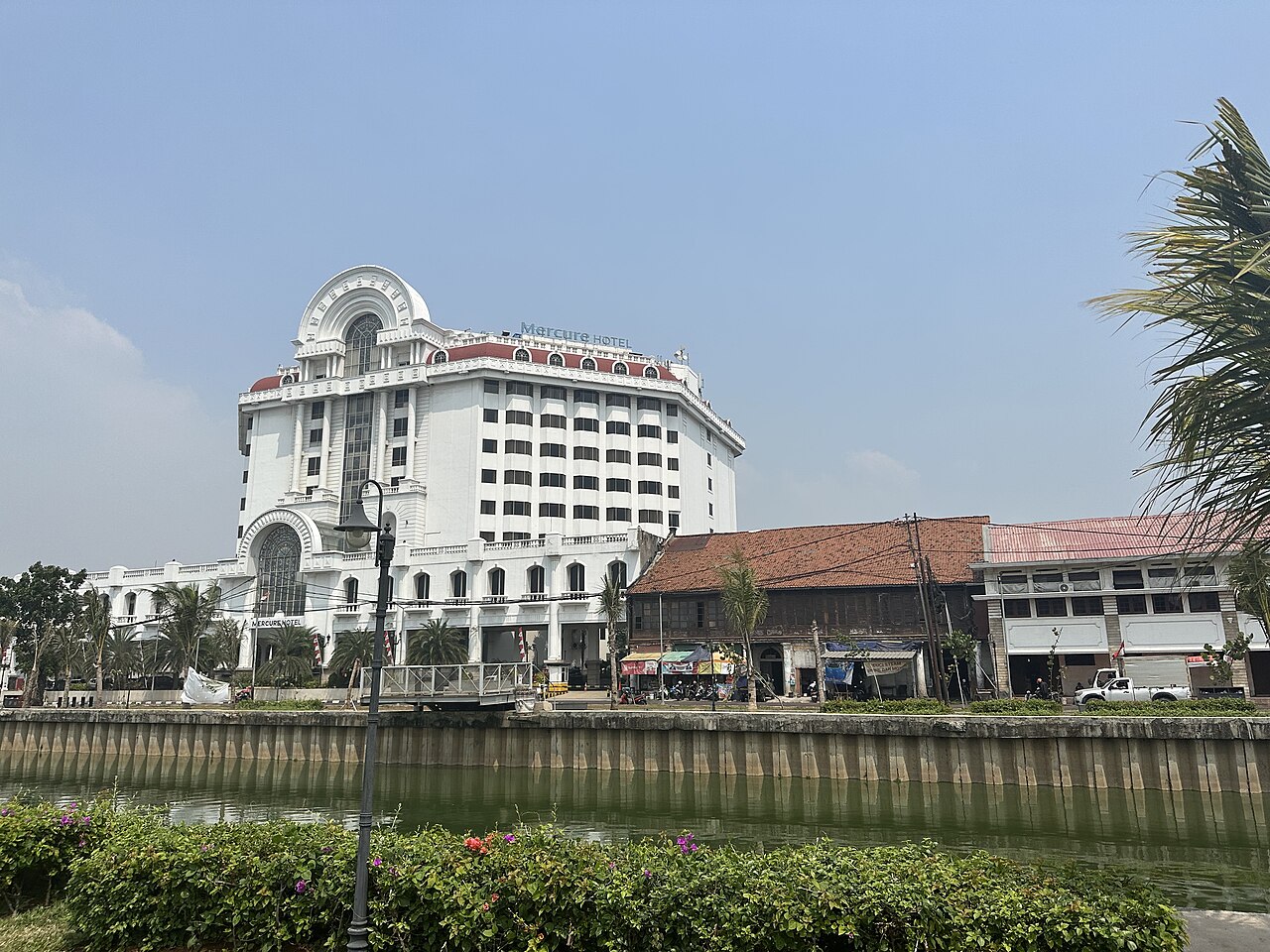
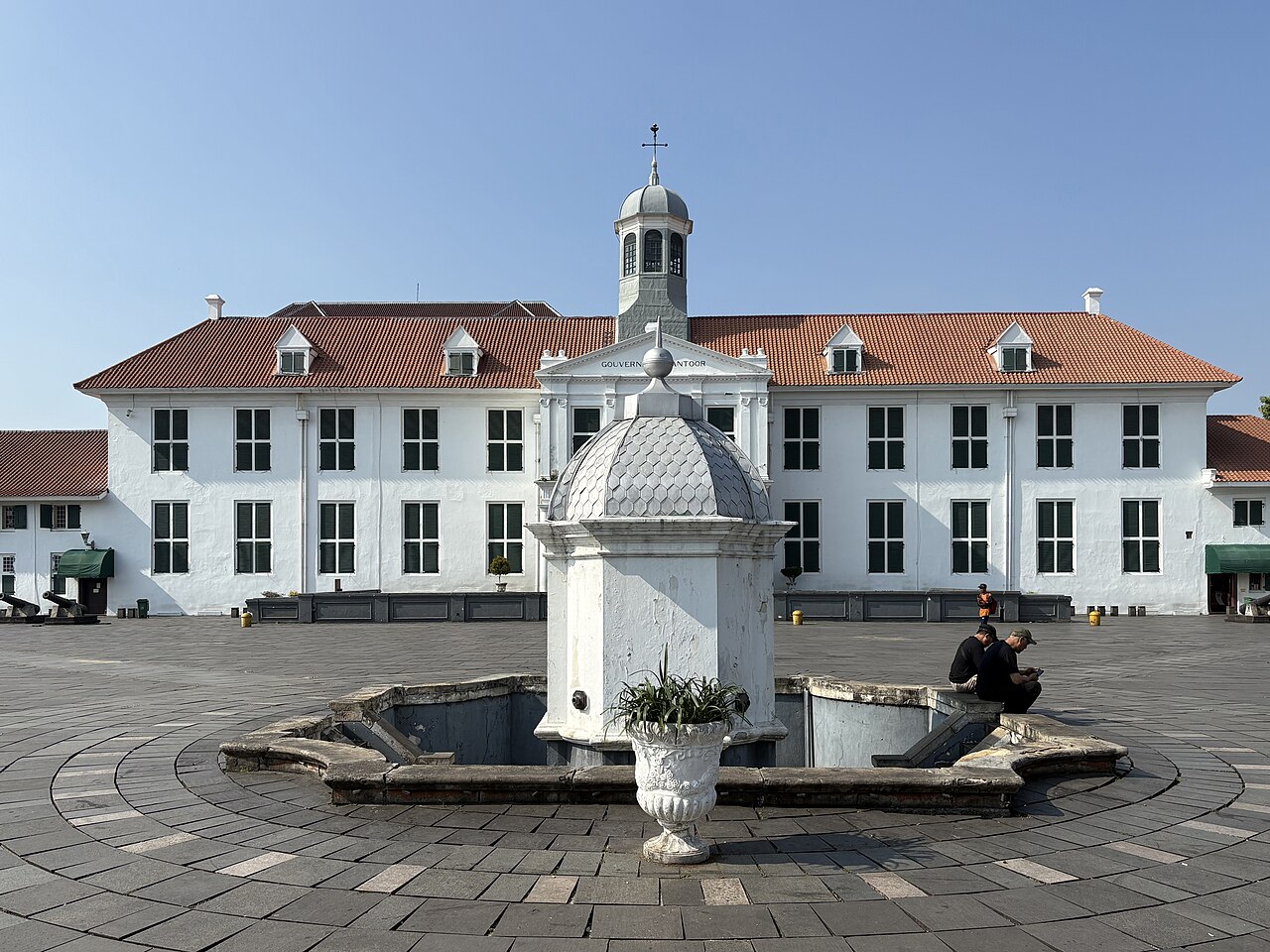
Kota Tua is more than a square of museums. A guided food tour there lets you taste Betawi specialities, the cuisine of Jakarta's original people, along with snacks shaped by Chinese, Arab and Dutch influences. Evening street food tours cover a different side of the city, with night stalls, grilled snacks and sweet drinks. A guide takes the worry out of hygiene and ordering, and explains what you are eating. Start gently if your stomach is unused to chilli.
Riding the city
The bajaj, a small three-wheeled taxi, is one of Jakarta's most photogenic sights, and a bajaj-and-food half day is a fun way to see back streets that a bus cannot enter. The ride is open to the air, bumpy and noisy, so bring water, sunscreen and a sense of humour. For a more modern view, the MRT and ride-hailing are the practical ways to cross longer distances.
Nature in your hands
For a change from the urban core, try a mangrove paddle on the north coast, where tidal creeks and tangled roots shelter birds and crabs, or a day among tea slopes and waterfalls in the hills. These are active, outdoor experiences, so start early, wear quick-drying clothes and take insect repellent.
Respectful behaviour
When you join local activities, a few habits go a long way. Greet people politely, use your right hand when giving or receiving, dress modestly at religious sites, ask before photographing people and remove shoes where asked. Bargaining is normal at markets but should be good-humoured. Learn a few words of Indonesian, such as terima kasih for thank you and selamat pagi for good morning, and you will receive warm smiles.
Sample hands-on weekend
On the first morning, join a Kota Tua food tour, visit the History Museum and finish with a Glodok snack. That afternoon, take a batik workshop, which suits tired legs and heat. On the second day, take an early cooking class with a market or tasting component, then spend the afternoon at the National Museum for the gold and archaeology galleries. If you have a third day, use it for a mangrove paddle or a day trip to the hills.
Booking tips
Reserve workshops and classes ahead in busy periods and school holidays, and check start times, group size and what is included. Ask about age limits if you travel with children, and mention dietary restrictions in advance. Leave a little slack in the day for traffic, because arriving late can shorten a session. Morning slots are cooler and more reliable.
Gifts and souvenirs
Your own batik piece, a spice blend from a class or a cookbook of local recipes will mean more than a mass-produced souvenir. If you buy batik elsewhere, look at the lines: hand-drawn wax lines are slightly irregular and show on both sides of the cloth, while printed imitations usually have a crisp front and a pale back.
Where to stay
Thamrin and Menteng make the easiest bases for these activities, with MRT access, restaurants and a choice of hotels for different budgets. If you prefer the old town, a hotel near Kota Tua puts food tours and museums on your doorstep. Check the where-to-stay guide for the options.