Jakarta is hot and humid all year, and the weather shapes a visit more than most guidebooks admit. The real planning question is not whether it will rain but when, and how to arrange your days so that downpours, heat and traffic work with you instead of against you. This guide explains the seasons, the daily rhythm and the best indoor and outdoor options.
The two seasons
Broadly, the drier months run from about May to October and the wetter months from about November to April, with the heaviest rain usually in the middle of the wet season. These are patterns, not promises. Dry-season days can still bring a shower, and wet-season mornings are often bright. The dry months suit island trips, hill walks, waterfalls and long outdoor days. The wet months suit museums, workshops, food tours and slow lunches, and they are cheaper and less crowded in many places.
The daily rhythm
Whatever the month, a simple pattern holds: mornings are the best time for anything outdoors, because the air is cooler, the light is softer and traffic is at its most predictable. Midday is hot and bright. In the wet season, afternoon storms often arrive suddenly, and flooded streets can slow the whole city for an hour or two. Put outdoor sights such as Kota Tua, the mosque and cathedral, mangrove paddling or a garden visit in the morning, and keep museums, malls, spas and workshops for the afternoon.
Good indoor days
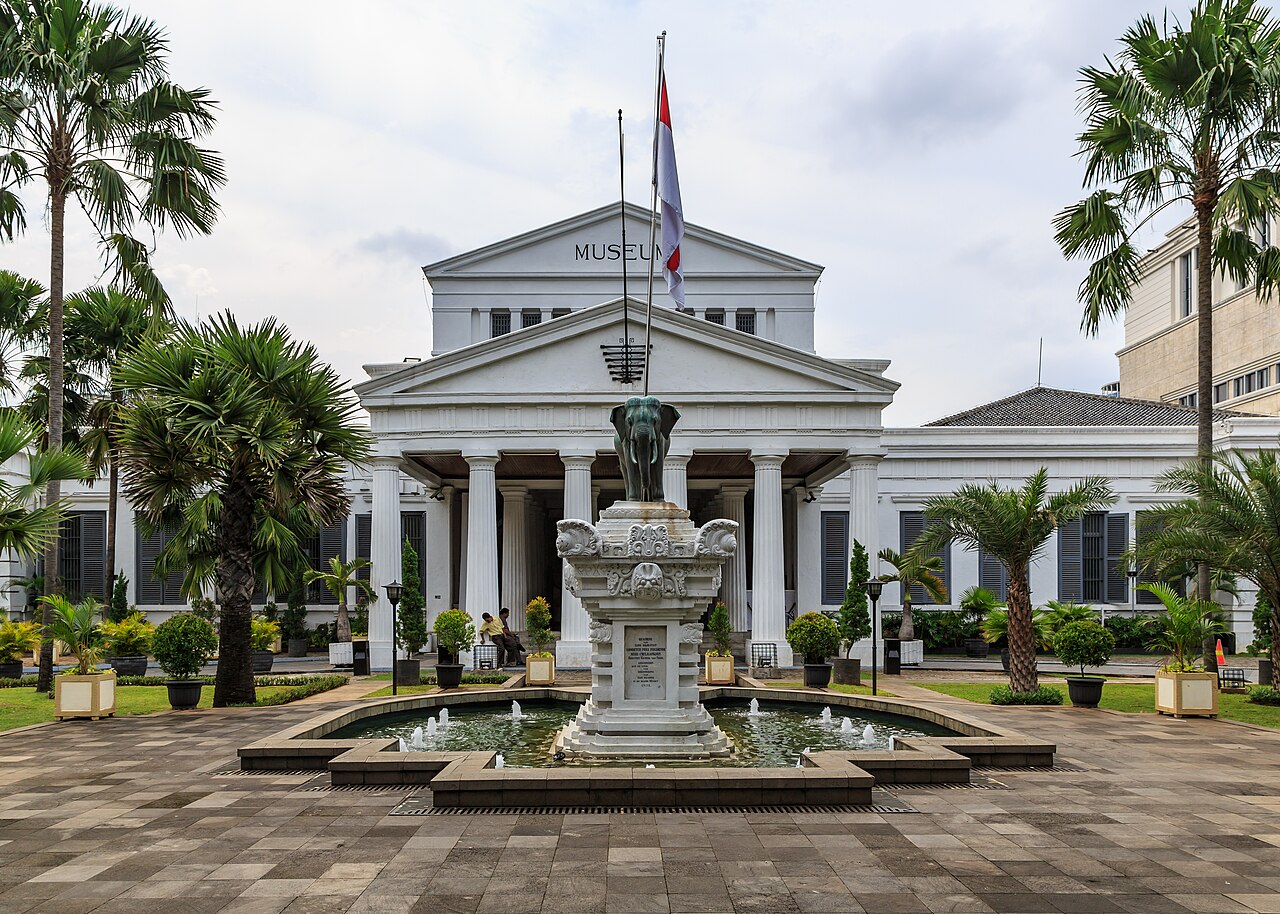
Jakarta is better prepared for rain than many tropical cities. The National Museum has air-conditioned galleries, a large collection and a celebrated gold treasury, and it can easily fill half a day. A batik workshop or a cooking class gives you a creative, hands-on afternoon that happens entirely indoors. The aquarium and safari complex is another rain-proof option for families. Add a long lunch in a mall or a hotel restaurant, a spa treatment, or a coffee crawl through the city's cafes, and a wet day can become one of the most pleasant of the trip.
Outdoor sights in changeable weather
You do not have to cancel the big sights when the forecast looks bad. Kota Tua is best on dry mornings but still works with an umbrella, and many of its museums have indoor galleries to duck into. Istiqlal Mosque and Jakarta Cathedral have covered areas and are quick to visit. Taman Mini is huge and open-air, so go in the morning and use its indoor pavilions in the afternoon. The Thousand Islands are a dry-season favourite, since boat crossings can be rougher and skies greyer in the wet months, and operators may change plans for safety.
Day trips and the weather
Hill destinations such as Bogor, the tea country and the waterfalls are wetter than the capital all year. Bogor is nicknamed the rain city for a reason, so take a rain jacket even in the dry months. The upside is that waterfalls are fuller after rain. The downside is that trails get muddy and slippery, and sudden storms can close sections of a park. Choose shoes with grip, start early and keep a flexible mind. Lowland nature trips such as mangrove paddling are best in the morning on any day.
Heat management
The heat can be more tiring than the rain. Drink water before you feel thirsty, use sunscreen and a hat, wear light, breathable clothing and plan breaks in air-conditioned places. Mosques and the cathedral require modest dress, so carry a light shirt or scarf that covers shoulders and knees. A small umbrella works as both sun shade and rain shelter. Avoid scheduling a long walk between noon and mid-afternoon, and be careful with heavy meals before sightseeing.
What to pack
A compact umbrella or light rain jacket, quick-drying clothes, sandals that grip, a spare shirt, a waterproof pouch for your phone and a small power bank for long days of ride-hailing and maps. In the wet season, add insect repellent for hill trips, and keep important papers in a dry bag.
Traffic and flooding
Rain changes how long journeys take. A ten-minute trip on a dry morning can become an hour in a storm. Give yourself more margin in wet weather, book the earliest slot for any day trip, and leave airport transfers extra time. Ride-hailing apps are usually the easiest way to find a car when it pours, though prices may rise at peak times. The MRT is a reliable way to cross the Sudirman and Thamrin spine when roads are jammed.
Sample wet-day plan
Start with an early visit to Istiqlal Mosque and the cathedral before the clouds build, then move into the National Museum for the gold treasury and archaeology galleries. Eat a long lunch, then spend the afternoon on a batik workshop or a cooking class. In the evening, choose a hotel dinner or a guided food tour with covered stops. If the rain lifts, finish with a short stroll around Merdeka Square.
Sample dry-day plan
Take a morning boat to the Thousand Islands, or leave at dawn for Bogor or a waterfall trail, and be back at your hotel by late afternoon to avoid the evening traffic. Dry days are also the best time for Ancol's beaches and for mangrove canoeing.
Choosing where to stay
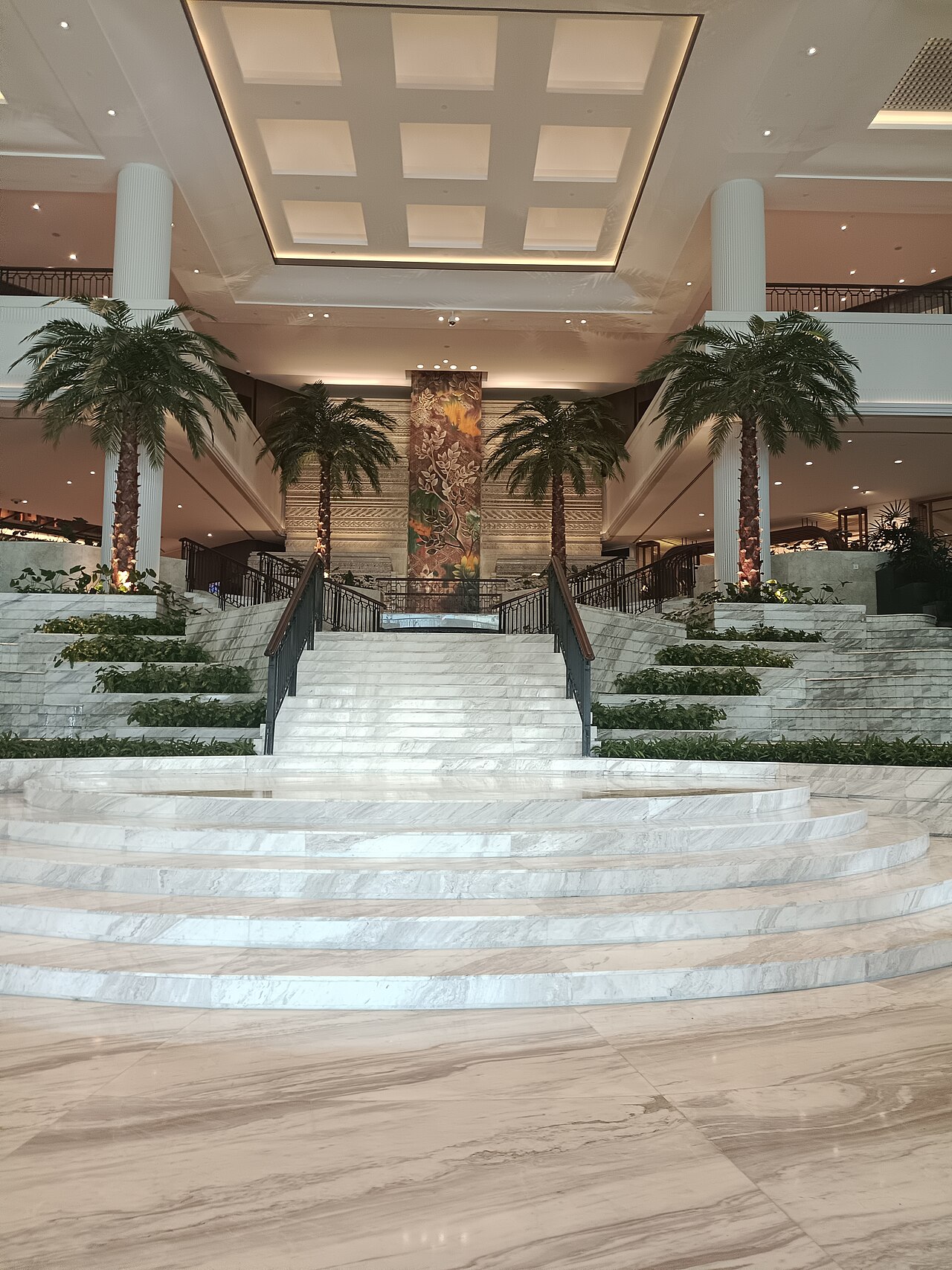
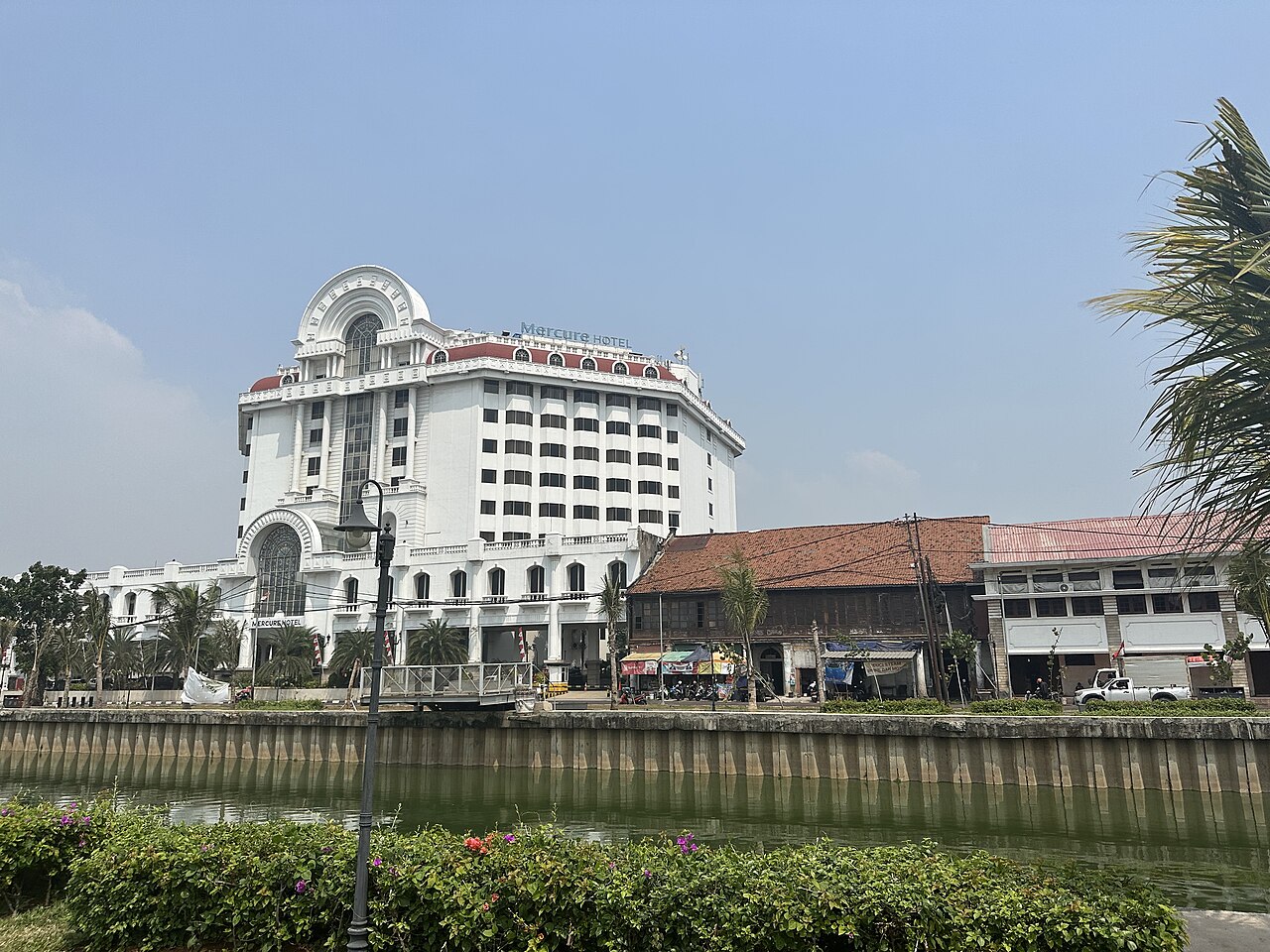
If rain and traffic worry you, base yourself near an MRT station in Thamrin or Menteng, where you can reach malls, restaurants and the main sights without long car trips. A hotel with a pool, spa and several restaurants makes wet afternoons easy to enjoy. The where-to-stay guide compares the main neighbourhoods and the hotels here.