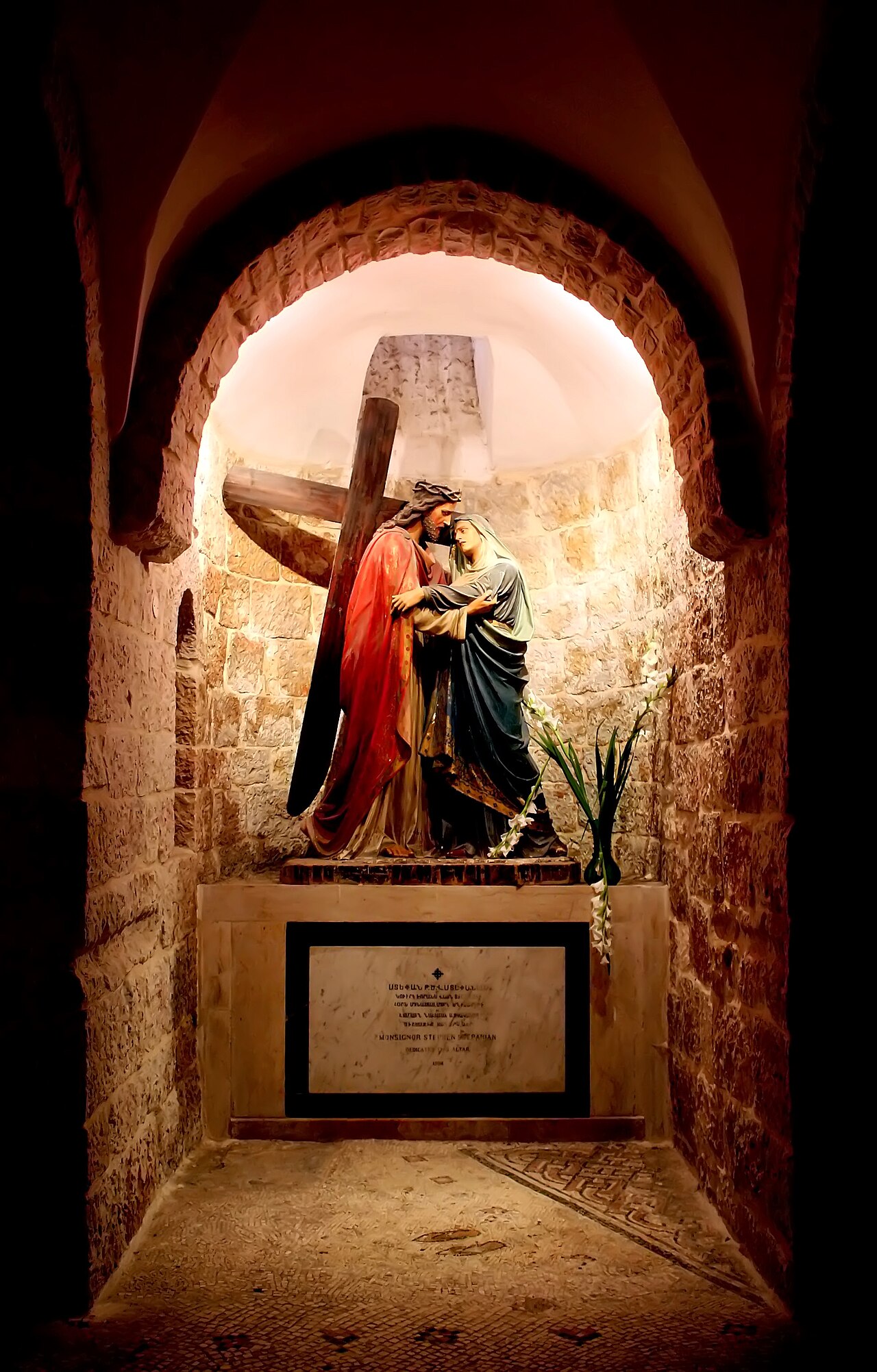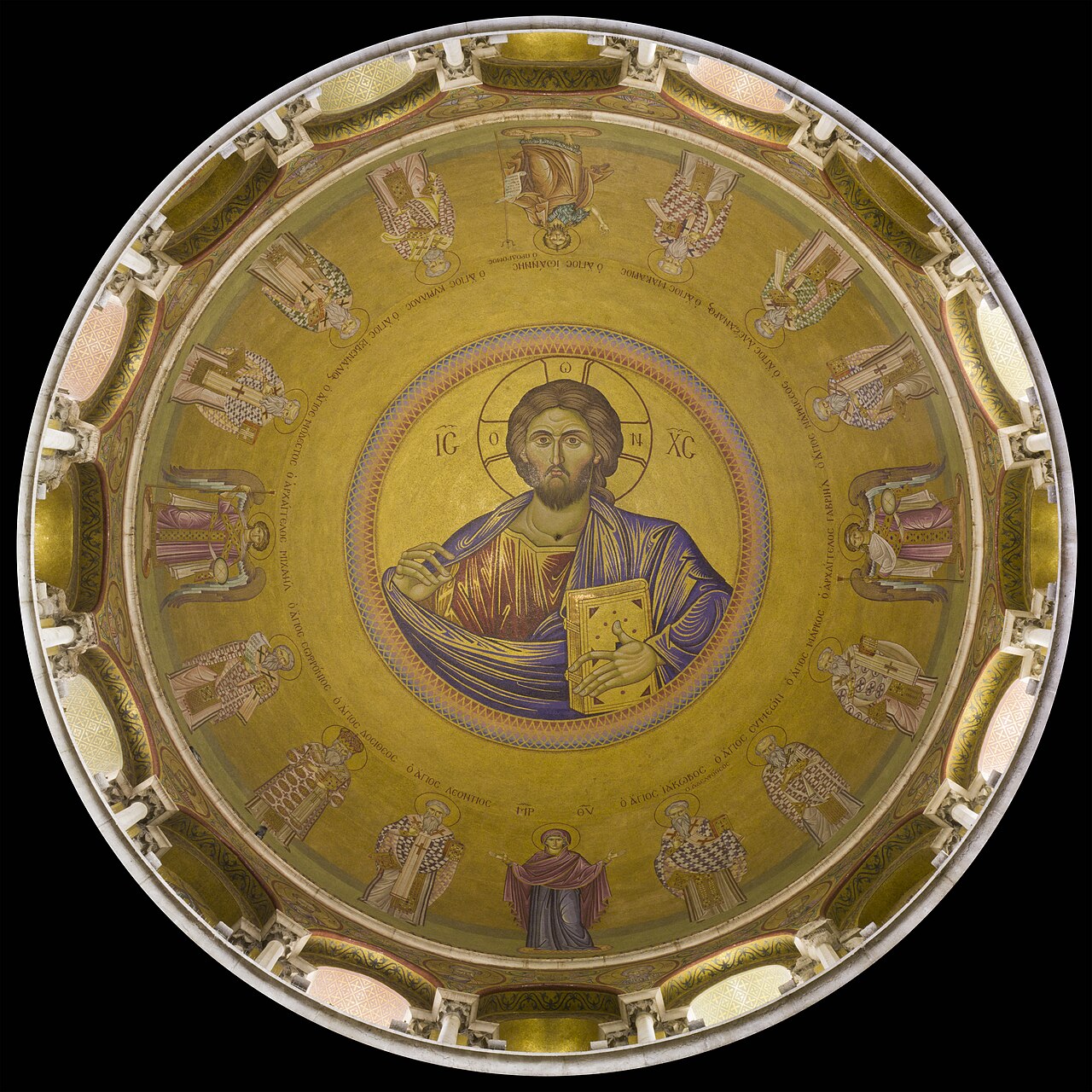
The Church of the Holy Sepulchre stands in the Christian Quarter of the Old City at the end of the Via Dolorosa and is regarded by millions of Christians as the most sacred place in the world. Tradition places the crucifixion at Golgotha, inside the church, and the empty tomb beneath the domed rotunda a short distance away. The first church here was built under Emperor Constantine in the fourth century, and the building you see today largely dates from the Crusader period. It is a dim, crowded and layered space, with chapels, stairways and lamps belonging to different communities. The last five stations of the Way of the Cross are inside, and pilgrims queue to touch the Stone of Anointing and to enter the small chamber of the Edicule. Expect incense, chanting and a sense of centuries of devotion in a very compact building.
Why it matters
For Christians this is the end point of the Via Dolorosa and the site of the central events of their faith. Several communities, including the Greek Orthodox, Latin Catholic and Armenian Apostolic churches, share responsibility for different parts of the church under a long-standing agreement known as the status quo, which is why you will see so many separate altars and chapels. The keys to the doors have been held by two local Muslim families for centuries, another sign of how entwined the city’s traditions are.
How to visit
Entry is free, and the church opens around dawn and closes around sunset, though hours can vary with the season and the church calendar, so check before you go. Dress modestly and be prepared to queue for the Edicule, sometimes for an hour or more at busy times. Early morning and late afternoon are quieter, and the church is crowded on Sundays and major feast days. Take your time rather than rushing, as the best moments are often in the side chapels.
Pair it with
Walk the Via Dolorosa to arrive from the correct direction, then continue to the nearby Muristan lanes for coffee. A guide can unpack the layers of history, but the church also rewards a slow self-guided visit with a good audio commentary or guidebook. From here the Western Wall is about ten minutes on foot through the markets.
What to expect
The experience
A crowded, atmospheric church with shared chapels, the Stone of Anointing, Golgotha and the Edicule over the traditional tomb.
Best time
Early morning, soon after opening, or late afternoon to avoid the longest queues.
How long
One to two hours, longer if you queue for the Edicule.
Tips
Dress modestly, expect queues at the tomb, watch your step on worn stone floors and keep bags close in crowds.
Quick picks
- Best for
- Pilgrims and anyone interested in early Christian and Crusader history.
- Families
- Older children can enjoy the stairways and chapels, but it is crowded and dim.
- Couples
- Visit early for a quieter, reflective atmosphere.
- Pair with
- The Via Dolorosa and a coffee in the nearby Muristan lanes.
- Time needed
- Allow ninety minutes to two hours.
Good questions
Is there an entry fee for the Church of the Holy Sepulchre?+
No, entry is free. Donations at the chapels and candle offerings are voluntary.
How long is the queue for the tomb?+
It varies widely, from a few minutes early in the day to an hour or more on busy days and feast days. Arriving soon after opening usually helps.
What are the opening hours?+
The church traditionally opens around dawn and closes around sunset, but times change with the season and religious calendar. Check current hours before you visit.
Is there a dress code?+
Yes, dress modestly with shoulders and knees covered. Bring a light scarf or layer if you are visiting in summer.
Who looks after the church?+
Several Christian communities share care of different parts of the building under a long-standing arrangement. That is why you will see multiple altars, lamps and chapels.