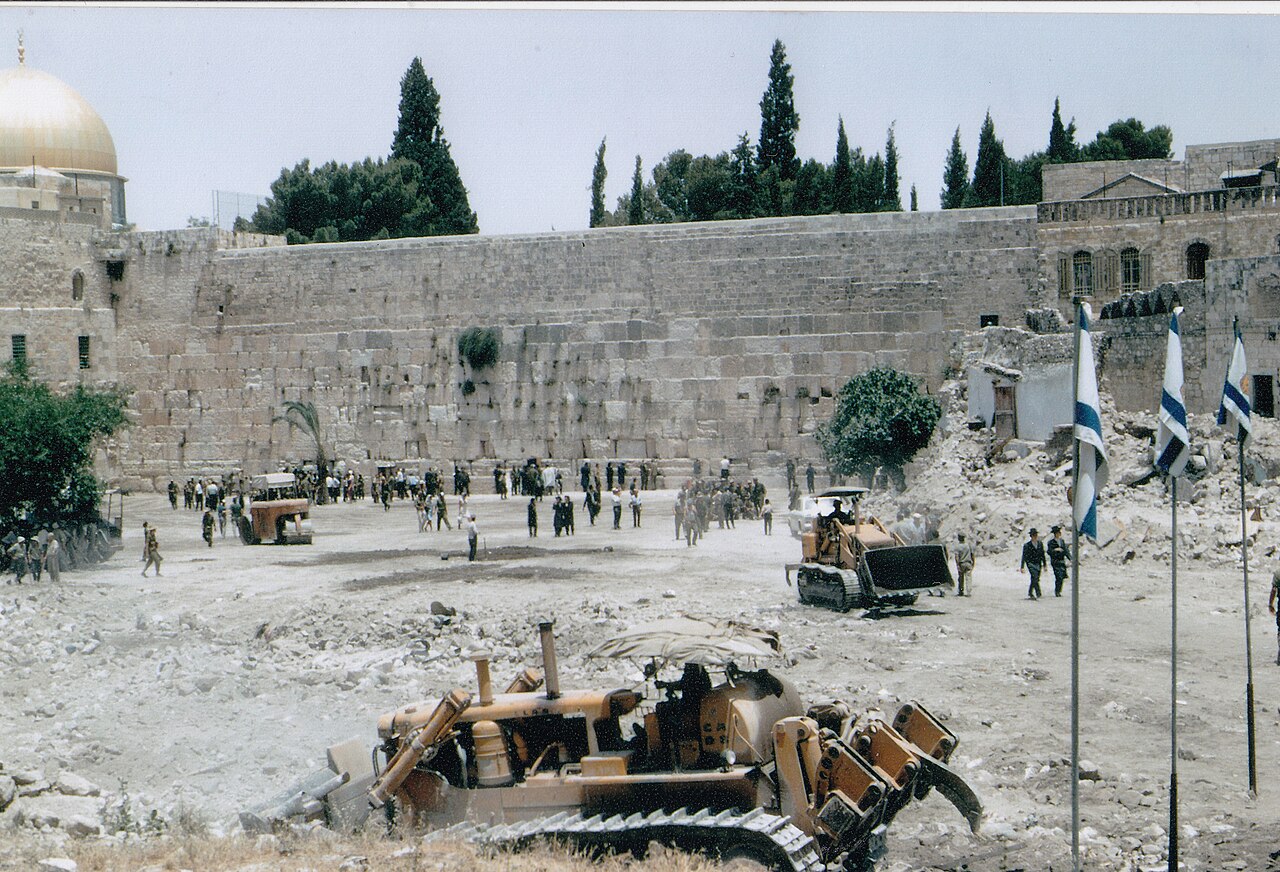
The Western Wall, also called the Kotel, is a long stretch of massive limestone blocks that once formed part of the retaining wall of the raised platform known to Jews as the Temple Mount and to Muslims as al-Haram ash-Sharif. For centuries Jews have come here to pray, and today the plaza in front of it works as an open-air synagogue, with a men’s section and a women’s section divided by a barrier. Visitors of every background are welcome in the plaza, and many walk to the wall to rest a hand on the stone or tuck a folded note into a crack between the blocks. The lower courses of the wall are the oldest, set in place in the first century BCE, and the sheer size of the stones is the first thing most people notice. Even if you are not religious, standing in the plaza as worshippers sing, study and celebrate is one of the most memorable experiences in the city.
Why it matters
The Wall is the most important place of prayer in Judaism, and it sits beside a compound that is sacred to Muslims and close to the Church of the Holy Sepulchre. That closeness is a large part of why the Old City feels so concentrated. The Western Wall Heritage Foundation runs the plaza, and its website carries the practical visitor information.
How to visit
The plaza is open day and night and entry is free, with a security check at the entrances. Dress modestly, with shoulders and knees covered, and men should cover their heads, with paper kippot usually available near the entrance. Keep your voice low, do not turn your back on the wall as you leave if you want to follow local custom, and note that photography is discouraged on the Sabbath and on Jewish holidays. Thursday mornings often bring bar and bat mitzvah celebrations, which are joyful to watch from a respectful distance.
Pair it with
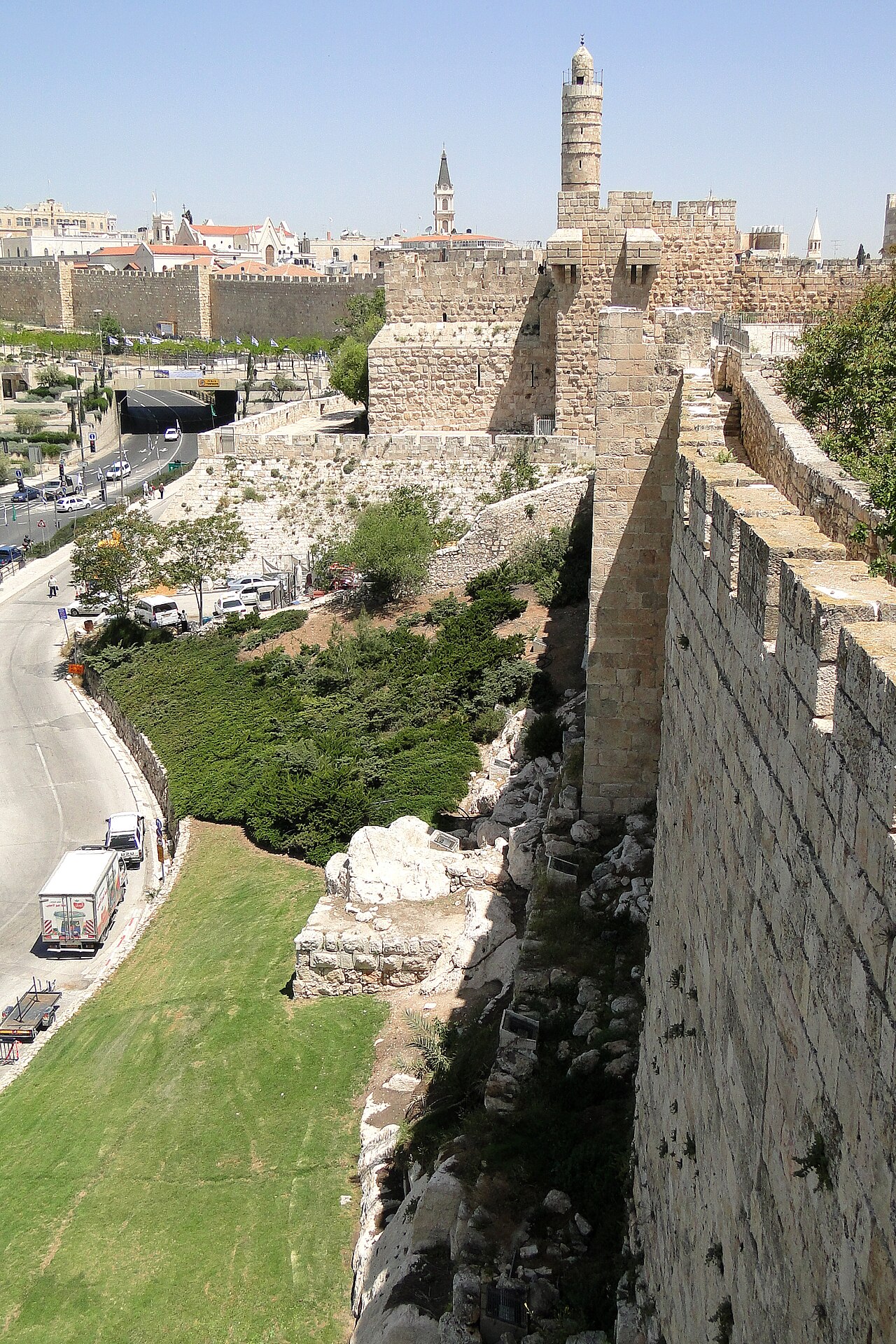
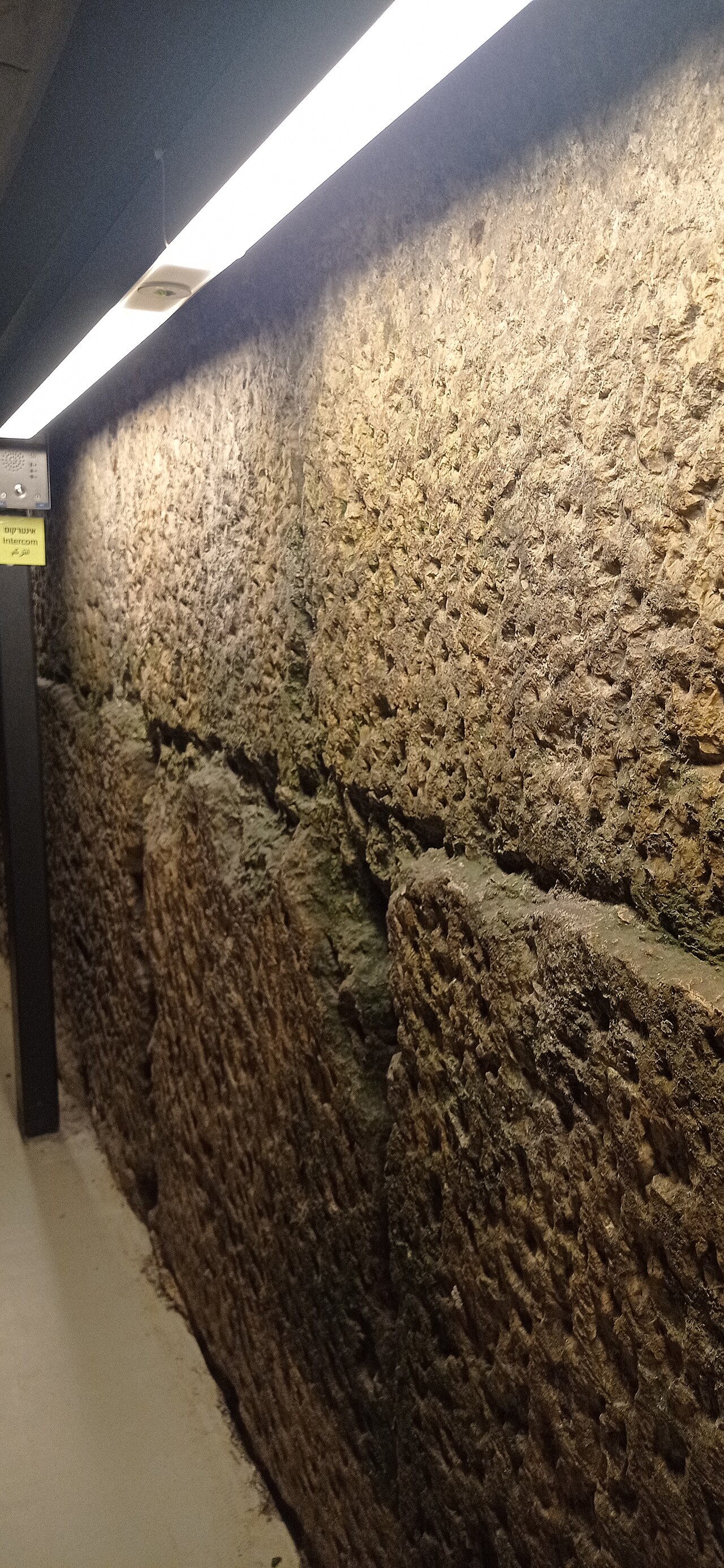
The Western Wall Tunnels for the hidden length of the wall, the Jewish Quarter lanes behind the plaza, and the Old City ramparts for a view down onto the plaza. Early morning and just after dark are the quietest and most atmospheric times, while Friday evening at the start of the Sabbath draws the biggest crowds.
What to expect
The experience
A free open-air prayer plaza beside the ancient wall, with gender-separated prayer sections and a security check at the entrances.
Best time
Early morning or after dark for a quieter, more atmospheric visit.
How long
About an hour, or longer if you want to watch the prayers.
Tips
Dress modestly, cover your head if you are a man, keep your voice down and avoid photography on the Sabbath and holidays.
Quick picks
- Best for
- First-time visitors who want to feel the spiritual heart of the Old City.
- Families
- Children are welcome, but explain the quiet and the modest dress beforehand.
- Couples
- A calm evening visit after sunset is a memorable shared moment.
- Pair with
- The Western Wall Tunnels and a stroll through the Jewish Quarter.
- Time needed
- Allow one hour including the security line.
Good questions
Is there an entry fee for the Western Wall?+
No, the plaza is free and open at all hours. You will pass through a security check on the way in.
What should I wear?+
Cover your shoulders and knees, and men should cover their heads. Paper head coverings are usually available near the entrance.
Can I take photos?+
Photography is generally fine on weekdays but is discouraged on the Sabbath and on Jewish holidays. If in doubt, watch what others are doing or ask a guard.
Can I leave a note in the wall?+
Yes, many visitors fold a written prayer or wish and place it in a gap between the stones. Notes are collected and respectfully buried periodically.
Who can visit the Western Wall?+
Everyone is welcome in the plaza regardless of faith or nationality. The prayer areas are divided into men’s and women’s sections, so follow the signs.