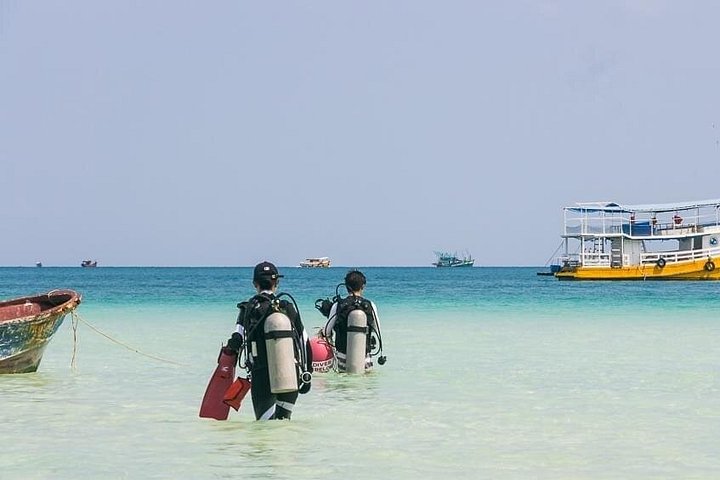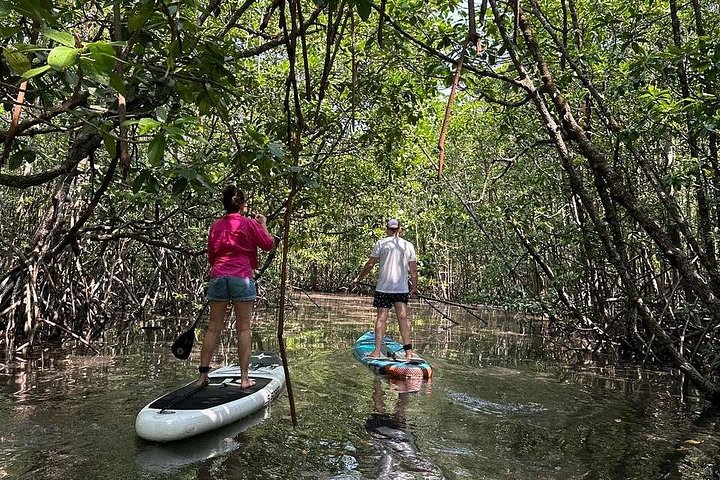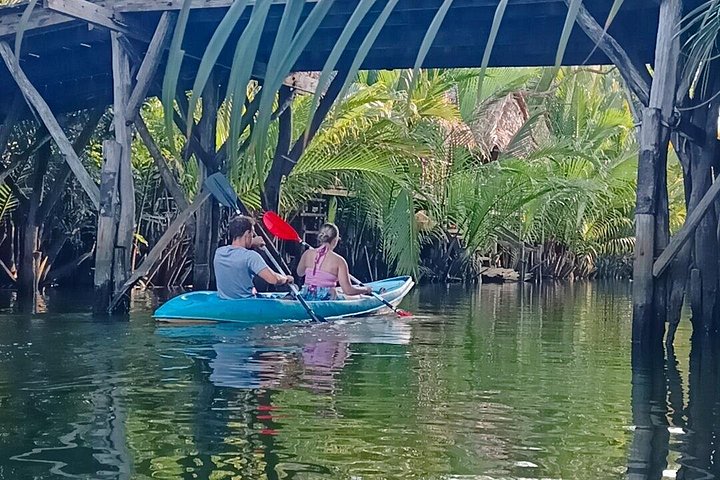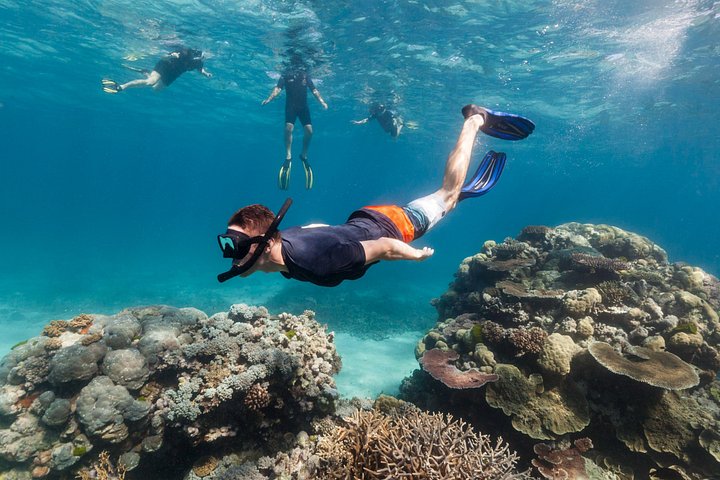
Snorkeling is the easiest way to see the Gulf of Thailand, and a structured one-day programme lets you learn it properly. The PADI Skin Diver course covers breathing technique, mask clearing, fin use and safe behaviour on the surface, then puts those skills to work in open water. It is a smart choice for travellers who have tried snorkeling before and found it frustrating, or who simply want more confidence. The skills also form a foundation for freediving and, later, scuba. The islands off Sihanoukville are reached by boat, and the water around them offers small reefs, schools of fish and sheltered bays. Visibility is usually better in the dry months from roughly November to May. Even with modest reef quality, the experience of floating above a living seabed is memorable, and the guided format means you see more than you would alone. Instructors keep a close eye on the group and help with equipment, so beginners should feel supported.
How it works
The programme begins with a briefing and equipment fitting, then moves to shallow-water practice and finally a snorkel trip to a suitable site. Confirm the meeting point, the boat details, the lunch arrangements and the cost of any certification card with the operator when you book. Free cancellation terms and availability appear at checkout.
What to expect
Expect to spend time in the water, learning to relax and breathe slowly through the snorkel. Instructors cover safety, including how to avoid fatigue and how to signal for help. The water is warm, but a rash vest or thin wetsuit protects against sun and jellyfish. You will get tired, so pace yourself. Between sessions, you rest on the boat or beach, with water and snacks.
Making the most of it
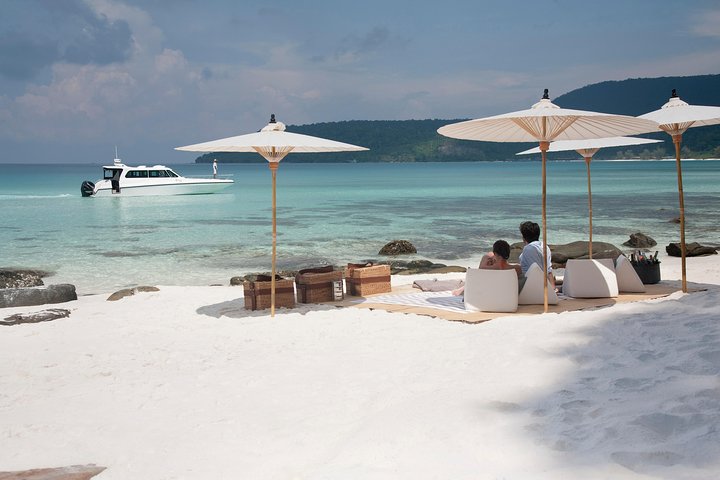
Wear reef-safe sunscreen or a long-sleeved swim shirt, bring a hat and a towel and eat a light breakfast. Avoid touching coral or marine life, which damages the reef and can sting. If you wear glasses, ask the operator about prescription masks. The programme pairs well with a night on Koh Rong Sanloem, where quiet beaches and night skies make a relaxing finish.
Good to know
Weather matters. Rough seas can cancel trips, especially in the wet season from roughly May to October, so keep your schedule flexible. Weak swimmers should say so in advance. Bring a dry bag, a change of clothes and a small amount of cash. Check what is included, because lunch, transfers and gear rental differ among operators.
Practical note
The certification card, if offered, usually costs extra, and it may require paperwork, such as a medical statement. Ask in advance whether you need to bring a photo or fill in forms.
Why this programme
Many snorkeling trips are crowded boat rides with little instruction, and visitors can end up anxious about water in their mask or the sensation of breathing through a tube. A structured day fixes that, because you practise in controlled conditions first. The skills also help if you later try freediving or scuba, and they make everyday snorkeling on other trips safer and more enjoyable.
The islands off Sihanoukville are an easy place to practise, with warm water, short boat rides and plenty of sheltered spots. Bring a waterproof phone pouch for the surface photos, and ask the instructor about tides before you plan any beach time afterwards.
What to expect
The experience
A one-day snorkeling and skin-diving programme with instruction and a boat trip.
Best time
Choose the dry season, roughly November to May, for clearer water.
How long
Full day; confirm the schedule with the operator.
Tips
Use reef-safe sunscreen, avoid touching coral and tell the instructor if you are a weak swimmer.
Quick picks
- Best for
- Travellers who want better snorkeling skills and some structure.
- Families
- Check minimum age with the operator.
- Couples
- Floating together over a reef is a calm, shared experience.
- Pair with
- A beach evening or an overnight island stay.
- Time needed
- Full day.
Good questions
Do I need to be a strong swimmer?+
You should be comfortable in water, and instructors will support you.
What will I learn?+
Breathing technique, mask clearing, fin use and safe behaviour in open water.
Is gear provided?+
Usually yes, but confirm with the operator.
When is the best time?+
The dry season from roughly November to May has better visibility.
Is it suitable for children?+
Often with age limits, so check the operator.